

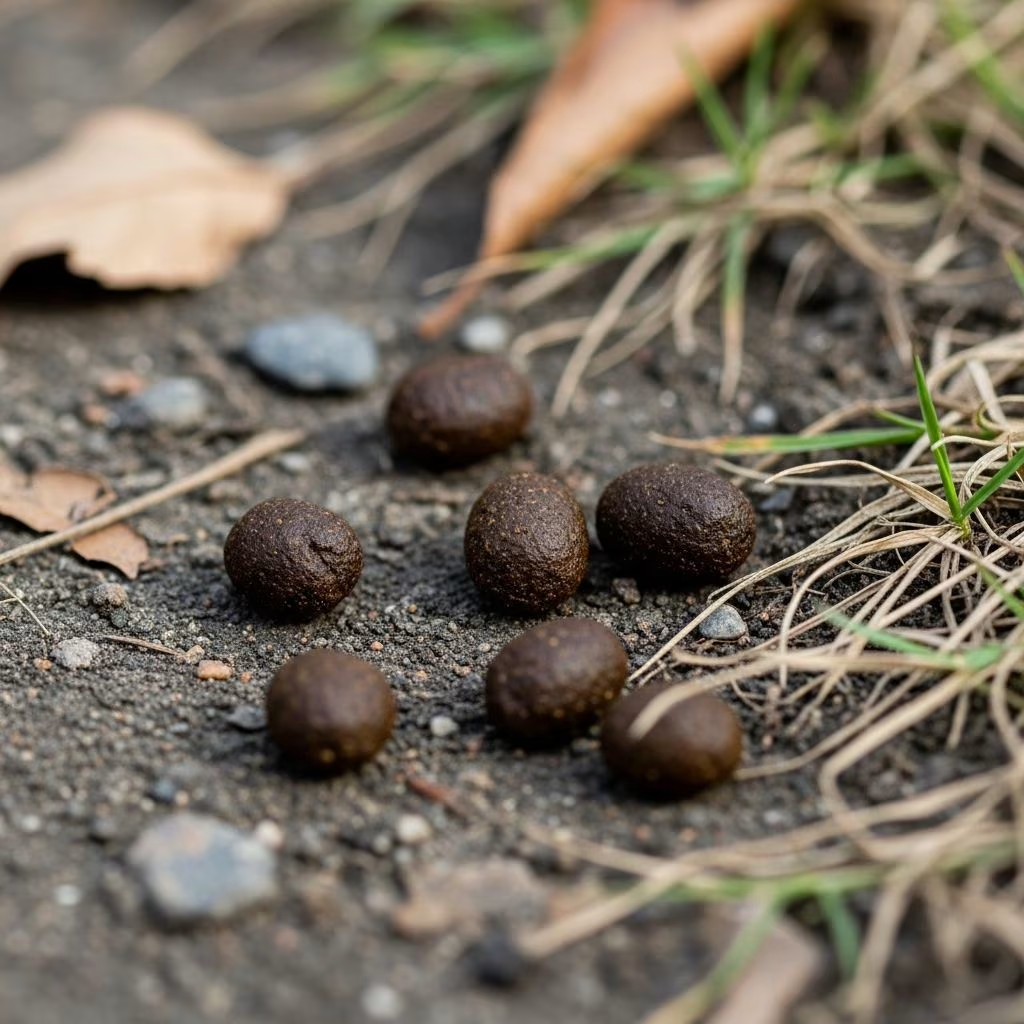
Feral cat droppings offer valuable clues about the animals’ well-being, diet, and presence in an area. Understanding their typical appearance helps in monitoring populations humanely and maintaining safe environments.
Typical Appearance of Healthy Feral Cat Feces
Healthy feral cat poop generally takes the form of compact, cylindrical logs measuring around 2 to 3 inches long and roughly half an inch thick. These droppings exhibit a segmented structure, resembling small sausages with a firm yet malleable texture that holds shape without being overly rigid or brittle.
The standard color is a deep, uniform brown, reflecting efficient nutrient absorption during digestion. Feral cats, relying on inconsistent scavenging or hunting, may not produce stool daily like indoor pets, but when present, it maintains these consistent traits.
- Length: 2-3 inches
- Diameter: About 0.5 inches
- Color: Dark brown
- Texture: Firm, segmented, not crumbly
Decoding Color Changes in Feral Cat Droppings
Variations in hue can signal underlying issues. Monitoring these shifts aids in assessing feral cat colony health without direct contact.
| Color | Possible Meaning |
|---|---|
| Dark Brown | Normal, healthy digestion |
| Black or Tarry | Potential upper GI bleeding |
| Yellow or Pale | Liver or bile-related problems |
| Green | Grass/plant consumption or gallbladder concerns |
| Red Streaks | Lower intestinal bleeding |
| White Spots | Parasitic worms |
These indicators stem from how bile, blood, and diet influence waste pigmentation. Persistent odd colors warrant attention from local animal welfare groups.
Texture and Consistency Insights
Beyond color, feel and form reveal hydration and gut function. Ideal samples are smooth yet defined, scooping cleanly without smearing.
- Firm and Segmented: Optimal hydration and motility
- Hard Pellets: Dehydration or constipation from poor water access
- Soft or Watery: Diarrhea from infections, diet shifts, or stress
- Mucousy or Jelly-Like: Inflammation or parasites
Feral lifestyles amplify these variations due to variable food and water sources.
Where Feral Cats Choose to Eliminate
Instinct drives feral cats to select concealed, diggable spots like mulch beds, leaf piles, or soft dirt for burying waste, reducing scent trails.
Common hotspots include:
- Gardens and flowerbeds
- Under decks or shrubs
- Near feeding stations, as cats defecate close to food sources
- Loose soil patches in yards
Unlike dogs, they avoid open trails, preferring privacy akin to wild instincts.
Differentiating Feral Cat Poop from Other Wildlife Scat
Misidentification risks improper management. Key distinctions:
| Animal | Droppings Features | Differences from Cat Poop |
|---|---|---|
| Cat (Feral) | 2-3″ segmented brown logs, tapered ends | – |
| Dog | Larger (4-6″), variable shape, often with bones/seeds | Bigger size, less uniform |
| Raccoon | More plant matter, less tapered | |
| Rabbit | Tiny round pellets (<1cm), green/brown | Pellet form, much smaller |
| Fox | Twisted, pointed, with fur/bones, 2-4″ | Pointed tips, prey remnants |
Cat scat buries more often and smells mildly pungent, not overwhelmingly musky.
Health Red Flags in Feral Cat Waste
Beyond basics, anomalies point to treatable conditions:
- Visible worms or rice-like segments (tapeworms)
- Undigested bits (poor digestion)
- Intense foul smell (infections)
- Blood flecks or straining signs
- Foreign materials like plastic (scavenging hazards)
These suggest parasites, dietary distress, or injury, common in unsheltered populations.
Health and Safety Risks from Feral Cat Feces
Contact poses threats via pathogens like Toxoplasma gondii, bacteria (Salmonella), and worms.
- To Humans: Especially pregnant women or immunocompromised; toxoplasmosis risk
- To Pets: Parasite transmission, fleas indirectly
- Environmental: Attracts pests if not managed
Fewer cats via TNR reduces overall contamination.
Safe Cleanup and Management Strategies
Protect yourself and deter recurrence:
- Wear disposable gloves and use a dedicated pooper scooper.
- Double-bag waste for trash disposal.
- Disinfect surfaces with diluted bleach (1:32).
- Wash hands with soap for 20 seconds.
- Remove food attractants to lessen visitation
For colonies, support TNR programs monitoring health via such signs.
Supporting Feral Cat Well-Being Through Observation
Regular checks enable early intervention. Collaborate with caretakers for deworming or vet aid. Stable poop correlates with thriving groups, minimizing disease spread.
Feeding stations away from human zones curbs yard issues.
Frequently Asked Questions
How do I tell feral cat poop from dog poop?
Cat droppings are smaller (2-3 inches), uniformly segmented logs; dog poop is larger, irregular, often with visible food remnants.
What does green feral cat poop mean?
It often results from plant matter intake or signals gallbladder/liver concerns; monitor for persistence.
Is black cat poop dangerous?
Yes, it may indicate digested blood from upper GI issues; alert local rescuers.
Why do feral cats poop near feeding areas?
Convenience post-meal, highlighting the need to place food strategically.
Can feral cat poop harm my garden?
Pathogens can affect soil/plants; prompt removal prevents buildup.
When to call experts about abnormal droppings?
For blood, worms, or chronic diarrhea—contact TNR groups.
References
- Feral Cat Poop Identification Health — PetsCare. 2023. https://www.petscare.com/news/post/feral-cat-poop-identification-health
- What Does Stray Cat Feces Look Like and Where is it Found? — Nassau County Wildlife. 2022. http://www.nassaucountywildlife.com/catfeces.html
- Cat Urine Extract As A Feral Cat Management Tool — Faunalytics. 2023. https://faunalytics.org/cat-urine-extract-feral-cat-management-tool/
- Guide to Types of Cat Poop: What the Color & Consistency Mean — Purina. 2025-01-15. https://www.purina.com/articles/cat/health/digestion/cat-poop-types-color-guide
- How to identify animal droppings: Our guide to the wildlife poop — Discover Wildlife. 2024. https://www.discoverwildlife.com/how-to/identify-wildlife/how-to-identify-animal-droppings
- What does stray cat feces look like and where can I find it usually? — AA Animal Control. 2023. http://www.aaanimalcontrol.com/professional-trapper/wildlifecatfeces.html
- Feral cats poop where someone feeds them––& that’s the big problem — Animals 24-7. 2019-09-01. https://www.animals24-7.org/2019/09/01/feral-cats-poop-where-someone-feeds-them-thats-the-big-problem/



