

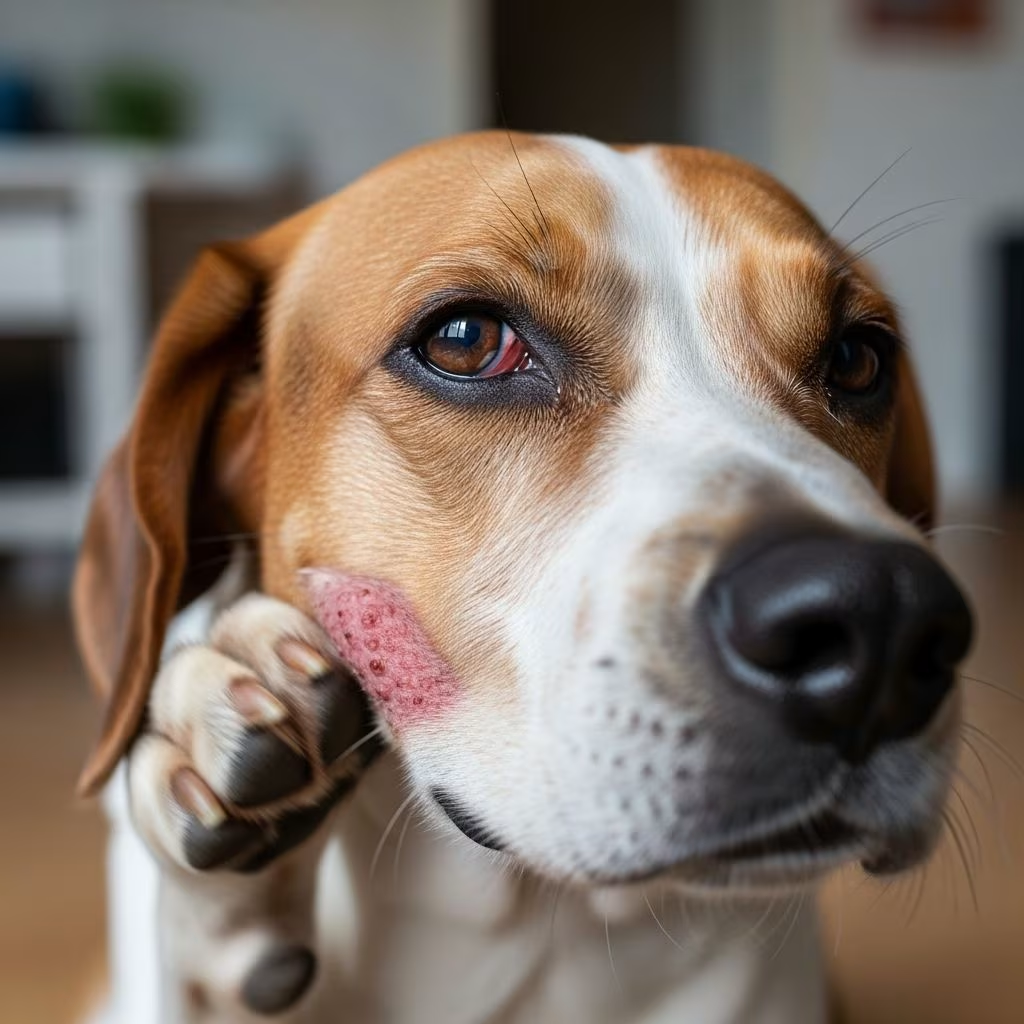
Dog food allergies occur when a dog’s immune system reacts adversely to specific proteins in their diet, leading to a range of uncomfortable symptoms. Unlike more prevalent environmental allergies, true food allergies affect only about 0.2% of dogs but can significantly impact quality of life if undiagnosed.
Understanding the Basics of Canine Food Allergies
Food allergies in dogs develop when the immune system mistakenly identifies certain food components, typically proteins, as harmful invaders. This triggers an inflammatory response that manifests primarily through skin irritation and digestive disturbances. These reactions can emerge at any age, even after years of eating the same food without issue. Common culprits include beef, chicken, dairy, and grains, though any ingredient can provoke a response.
Distinguishing food allergies from other conditions is crucial, as symptoms overlap with flea allergies, atopic dermatitis, and seasonal irritants. Veterinary assessment often begins with ruling out these alternatives through tests for parasites or hormonal imbalances.
Primary Symptoms to Watch For
The hallmark of dog food allergies is persistent **itching**, affecting areas like paws, ears, face, belly, and groin. Dogs may lick, chew, or scratch excessively, leading to secondary issues such as infections.
- Skin-related signs: Redness, inflammation, sores, rashes, hair loss, and oily or scaly coat.
- Ear problems: Recurrent infections with redness, waxy discharge, and odor.
- Paw issues: Swelling, discoloration from licking, and unusual smells.
- Facial indicators: Redness around eyes, muzzle, chin; possible mouth ulcers.
Gastrointestinal symptoms appear in up to 20% of cases, including chronic vomiting, diarrhea, gas, and increased bowel movements. Behavioral changes like excessive self-grooming or rubbing against surfaces often accompany these.
Food Allergies vs. Food Intolerances: Key Differences
Many pet owners confuse food allergies with intolerances, but they differ fundamentally. Allergies involve an immune-mediated response to proteins, while intolerances stem from digestive enzyme deficiencies or sensitivities, lacking immune involvement.
| Aspect | Food Allergy | Food Intolerance |
|---|---|---|
| Mechanism | Immune system attack on proteins | Non-immune digestive reaction |
| Common Symptoms | Itching, skin/ear infections, GI upset | Vomiting, diarrhea, gas, itchy skin |
| Onset | Any age, often sudden | Gradual, related to diet changes |
| Severity | Can include rare anaphylaxis (hives, swelling) | No anaphylaxis |
Both present similar signs, making professional diagnosis essential.
Body Areas Most Affected by Allergies
Allergic reactions often target specific zones due to thinner skin or higher exposure.
- Paws and feet: Constant licking causes brown staining, redness, and pododermatitis.
- Ears: Chronic otitis with yeast or bacterial overgrowth.
- Face and muzzle: Hair loss, redness, and possible eye discharge or conjunctivitis.
- Abdomen and under tail: Hot spots, bald patches from rubbing.
- Whole body: Generalized itching suggesting food over environmental triggers.
Lesions on flanks, ribs, or hips particularly point toward dietary causes.
How to Differentiate from Other Allergies
Environmental allergies (pollen, dust) and flea bites mimic food allergy symptoms but are seasonal or location-specific. Food reactions persist year-round, unaffected by environment.
- Year-round itching without seasonal patterns favors food allergy.
- Flea allergies focus on rear and base of tail.
- Atopic dermatitis often spares paws but affects elbows and hocks.
Secondary infections exacerbate symptoms, creating a cycle of itch-scratch-infection.
Diagnosis: Steps to Confirm Food Allergies
No blood or skin test reliably diagnoses food allergies; the gold standard is an **elimination diet trial** lasting 8-12 weeks.
- Switch to a novel protein (e.g., duck, venison) or hydrolyzed diet where proteins are broken down to avoid recognition.
- Eliminate all treats, table scraps, and flavored medications.
- Monitor for symptom resolution.
- Reintroduce original foods one by one to identify triggers.
Vets may perform skin scrapings or cytology to exclude infections first. Intradermal testing is for environmental allergens, not food.
Treatment and Management Strategies
Once identified, management involves strict avoidance of allergens.
- Dietary overhaul: Prescription hydrolyzed or novel protein diets.
- Symptom relief: Antihistamines, steroids, or apoquel for itching; antibiotics for infections.
- Supplements: Omega-3 fatty acids for skin health.
- Topicals: Medicated shampoos and ear cleaners.
Hypoallergenic diets resolve symptoms in most cases, preventing recurrence. Lifelong adherence is key, as cross-contamination can trigger flares.
Prevention Tips for Allergy-Prone Dogs
Proactive measures reduce risk:
- Introduce new foods gradually.
- Opt for limited-ingredient diets if family history exists.
- Maintain flea control to avoid confounding symptoms.
- Regular vet check-ups for early detection.
Breeds like Bulldogs, Retrievers, and Dachshunds show higher susceptibility.
FAQs on Dog Food Allergies
What is the most common allergen in dog food?
Proteins like beef and chicken top the list.
Can puppies have food allergies?
Yes, symptoms can appear under one year old.
How long does an elimination trial take?
Typically 8-12 weeks for reliable results.
Are over-the-counter diets effective?
Not always; vet-prescribed formulas are more reliable due to strict protein hydrolysis.
Can food allergies cause breathing issues?
Rarely; anaphylaxis with swelling or hives requires emergency care.
When to Seek Veterinary Help
Consult a vet if itching persists over two weeks, infections recur, or GI signs cause weight loss/lethargy. Early intervention prevents chronic issues and improves prognosis.
References
- Spotting the Signs of Dog Food Allergies — Royal Canin US. 2023. https://www.royalcanin.com/us/dogs/health-and-wellbeing/spotting-the-signs-of-dog-food-allergies
- Food Allergies in Pets: Signs, Diagnosis, and Treatment — Veterinary Dermatology Clinic. 2024. https://www.vetdermclinic.com/food-allergies-in-pets-signs-common-triggers-diagnosis-treatment/
- Food Allergies and Intolerances in Dogs — PetMD. 2025-02-10. https://www.petmd.com/dog/conditions/digestive/food-allergies-dogs
- Food Allergies in Dogs — Veterinary Skin & Ear. 2024. https://veterinaryskinandear.com/food-allergies-in-dogs/
- Understanding Dog Food Allergy Symptoms — California Dog Kitchen. 2023. https://www.californiadogkitchen.com/blogs/info/dog-food-allergy-symptoms



