

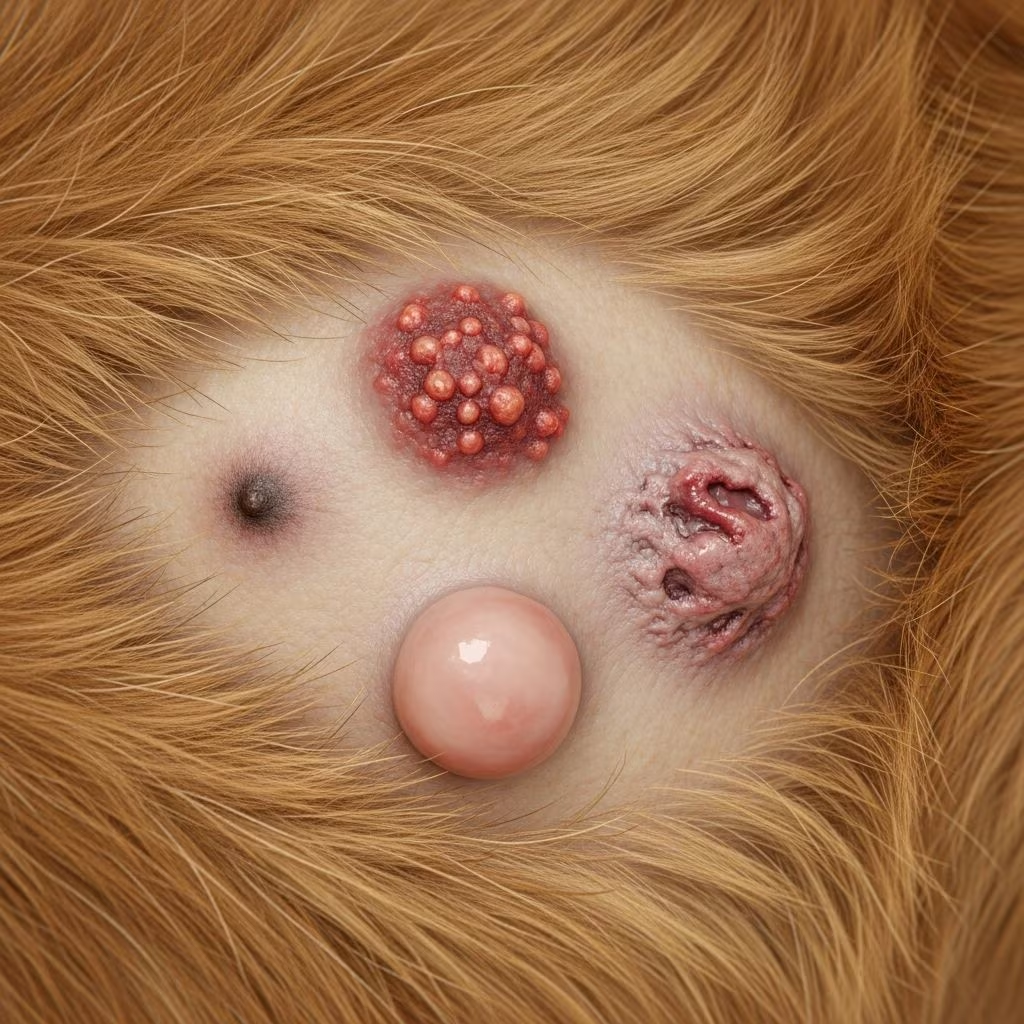
Many dog owners notice small bumps or pigmented spots on their pet’s skin and wonder if they signal a serious problem. While most skin growths are harmless, some represent **malignant tumors** that can spread rapidly if not addressed. Understanding the difference between benign moles and cancerous ones is crucial for timely intervention. This guide explores common types of canine skin cancers, their signs, diagnostic approaches, treatment strategies, and proactive steps to safeguard your dog’s health.
Common Types of Skin Tumors in Canines
Dogs develop various skin cancers, each with distinct characteristics and risks. **Mast cell tumors (MCTs)** top the list as the most frequent, often dubbed “great imitators” due to their variable appearance—from small raised bumps to wart-like lumps. These typically emerge on the limbs, chest, or lower abdomen and may fluctuate in size daily from histamine release.
**Malignant melanoma** ranks as another aggressive form, frequently appearing as dark brown or black raised masses on the skin, mouth, toes, or nail beds. Oral melanomas might present as gray or pink lumps, while toe involvement causes swelling and limping. Breeds like Schnauzers and Scottish Terriers face higher risks.
Squamous cell carcinoma manifests as firm, wart-like growths that ulcerate and redden, commonly on the toes or head. Histiocytic sarcoma may not form visible masses but leads to systemic issues like lethargy. Fibrosarcomas create firm lumps under the skin or cause pain in soft tissues, especially in the mouth or nose.
| Tumor Type | Common Locations | Key Features |
|---|---|---|
| Mast Cell Tumor | Limbs, chest, abdomen | Raised bumps, size changes, itchy |
| Malignant Melanoma | Mouth, toes, nail beds | Dark pigmented lumps, swelling |
| Squamous Cell Carcinoma | Toes, head | Wart-like, ulcerated sores |
| Fibrosarcoma | Under skin, mouth/nose | Firm lumps, pain signs |
Recognizing Warning Signs Early
Early detection hinges on vigilance during routine grooming. Watch for **raised lumps** that grow, change color, bleed, or ulcerate. Melanomas in the mouth cause bad breath, drooling, or difficulty eating hard food. Nail bed melanomas trigger limping, loose nails, or excessive paw licking.
MCTs might provoke hives, enlarged lymph nodes, or gastrointestinal issues like bloody stool from histamine effects. General red flags include unexplained weight loss, lethargy, appetite loss, or behavioral shifts like withdrawing from touch. Older dogs and certain breeds warrant extra scrutiny.
- New or changing bumps: Especially if firm or pigmented.
- Oral changes: Swelling, bleeding, or halitosis.
- Limb or toe issues: Limping, swelling, or nail abnormalities.
- Systemic symptoms: Vomiting, diarrhea, or collapse.
Diagnostic Processes for Skin Abnormalities
Veterinarians employ several methods to confirm cancer. **Fine needle aspiration (FNA)** is first-line: a thin needle extracts cells from the lump for microscopic review, ideal for MCTs. If inconclusive, a full biopsy provides definitive tissue analysis.
Staging involves bloodwork (CBC, chemistry), urinalysis, chest X-rays, abdominal ultrasound, or CT scans to check metastasis to lungs, lymph nodes, or organs. Lymph node aspiration detects spread. For oral or digital tumors, jaw or paw X-rays assess bone involvement.
Treatment Pathways and Prognosis
Treatment depends on tumor type, size, location, and stage. **Surgery** remains the cornerstone, aiming for wide margins to remove all cancerous cells. For melanomas, especially oral ones with high metastasis rates, **radiation therapy** follows surgery to target remnants.
Chemotherapy manages MCTs or widespread disease, while targeted therapies address specific mutations. Amputation may be needed for toe/nail tumors. Prognosis improves with early detection: localized MCTs boast high cure rates post-surgery, but metastatic melanomas carry guarded outlooks.
| Treatment | Best For | Outcomes |
|---|---|---|
| Surgery | Localized tumors | High success if margins clean |
| Radiation | Oral/digital melanoma | Controls local spread |
| Chemotherapy | Metastatic MCTs | Extends survival |
Prevention and Risk Reduction Strategies
No guaranteed prevention exists, but minimizing UV exposure prevents some squamous cell carcinomas—limit midday sun for light-skinned dogs. Routine vet checks during annual exams catch issues early. Maintain dental hygiene to spot oral melanomas sooner.
Breeds prone to MCTs (e.g., Boxers, Bulldogs) or melanomas benefit from vigilant monitoring. A healthy diet, weight management, and parasite control support immunity.
FAQs on Canine Skin Cancer
Are all dark spots on my dog cancerous?
No, many are benign, but any new or changing pigmented lump needs vet evaluation via FNA.
How fast does dog melanoma spread?
Oral and digital types metastasize quickly to lungs or nodes; early surgery is vital.
Can skin cancer in dogs be cured?
Yes, if caught localized—surgery often cures MCTs and some melanomas.
What breeds are most at risk?
Schnauzers, Scottish Terriers for melanoma; Boxers, Pugs for MCTs.
Should I worry about a small bump?
Yes—monitor and consult a vet promptly, as early intervention boosts survival.
Armed with this knowledge, you can protect your dog from skin cancer threats. Regular inspections and prompt vet visits make all the difference.
References
- Skin Cancer in Dogs: Signs, Symptoms, and Types — GoodRx. 2024. https://www.goodrx.com/pet-health/dog/dog-skin-cancer
- Understanding Melanoma in Dogs: Signs, Stages, & How to Save — Pawlicy Advisor. 2024. https://www.pawlicy.com/blog/melanoma-in-dogs/
- Canine Cancer: Melanoma In Dogs- What Do You Need To Know? — ImpriMed. 2023. https://www.imprimedicine.com/blog/canine-cancer-melanoma
- Melanoma in Dogs — PetCure Oncology. 2024. https://petcureoncology.com/melanoma-in-dogs/
- Common Skin Cancers in Dogs: What Pet Owners Should Know — Tufts University Cummings School of Veterinary Medicine. 2023. https://vet.tufts.edu/news-events/news/common-skin-cancers-dogs-what-pet-owners-should-know
- Types of Melanoma in Dogs – Symptoms & Treatments — Pacific Santa Cruz Vet. 2023-04-15. https://www.pacificsantacruzvet.com/site/blog/2023/04/15/melanoma-dog



