

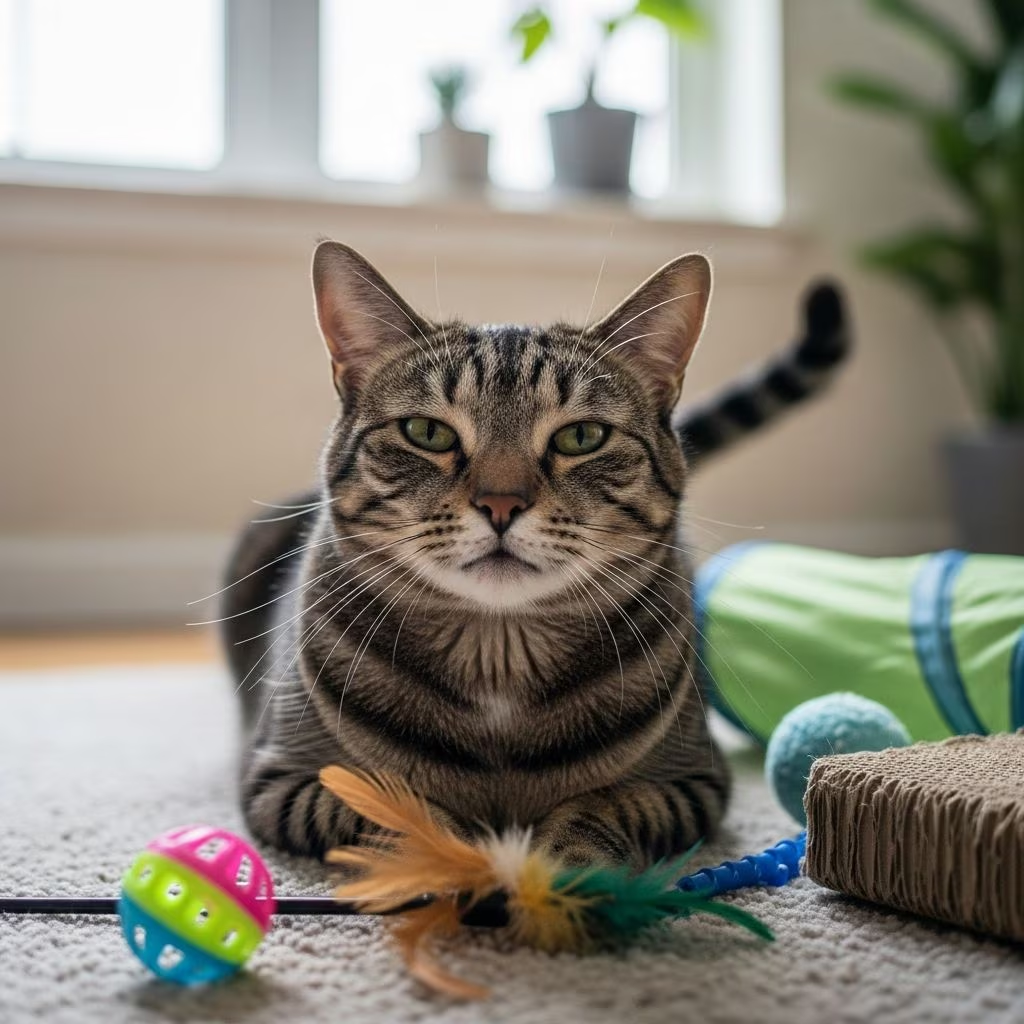
Cats are often seen as independent creatures that thrive on minimal intervention, but even these solitary hunters can experience boredom in domestic settings. When a cat lacks sufficient mental and physical challenges, it may display a range of behavioral shifts that signal dissatisfaction. Recognizing these early allows owners to intervene, preventing escalation into stress-related health issues or destructive habits. This guide explores the common indicators of feline boredom and offers practical solutions grounded in veterinary insights.
Why Domestic Cats Get Bored
In the wild, cats spend much of their day hunting, exploring territories, and climbing to vantage points. Indoor life, while safer, limits these natural outlets, leading to understimulation. Factors like unchanging routines, insufficient playtime, or lack of novel environments contribute to this state. Veterinary behaviorists note that what appears as laziness is often frustration from unmet instincts for play and exploration. Indoor cats, in particular, face higher risks due to restricted access to outdoor stimuli.
Key Behavioral Indicators of Boredom
Observe your cat closely for patterns. Sudden or intensified behaviors often point to boredom rather than routine quirks.
Sudden Bursts of Hyperactivity
Known as ‘zoomies’ or frantic random activity periods (FRAP), these episodes involve racing around the house at high speeds, sometimes multiple times a day. While occasional bursts are normal, frequent occurrences suggest a need for more structured activity. Cats channel pent-up energy this way when daily stimulation falls short.
Excessive Sleeping Beyond Norms
Cats naturally sleep 12-18 hours daily, but spikes beyond this—such as constant lethargy or hiding to nap—indicate disinterest in surroundings. This low-energy state arises from a lack of engaging opportunities, turning rest into escapism.
Persistent Vocalization and Attention Demands
Increased meowing, yowling, or following owners excessively signals a plea for interaction. Cats may position themselves on keyboards, meow at doors, or paw at faces to demand engagement, mimicking toddler-like persistence.
Overgrooming and Skin Issues
Grooming occupies up to half of a cat’s waking hours for hygiene and stress relief, but excess leads to bald patches, raw skin, or hot spots. This self-soothing behavior intensifies with boredom-induced anxiety.
Destructive Tendencies
Scratching furniture, shredding curtains, or knocking items off shelves serves as self-entertainment. Bored cats improvise ‘hunts’ with household objects, often escalating to chew cords or pull carpets.
Changes in Appetite and Weight
Overeating or begging despite recent meals points to seeking oral stimulation, potentially causing weight gain. Conversely, disinterest in food can emerge from overall apathy.
Aggression Toward Pets or People
Chasing, swatting, or unprovoked attacks on housemates or owners stem from redirected energy. Play turns rough without proper outlets.
Pacing and Repetitive Movements
Endless walking, tail-chasing, or fixed staring indicate restlessness. These stereotypic behaviors mirror zoo animal ennui from confined spaces.
Disinterest in Usual Toys
Ignoring favorite playthings or fixating on unsafe items like hair ties shows novelty fatigue. Cats crave variety to mimic hunting unpredictability.
Inappropriate Elimination
Urinating outside the litter box or straining signals stress-linked urinary issues like cystitis, exacerbated by boredom.
Assessing If It’s Boredom or Illness
Not all changes stem from boredom; medical conditions mimic these signs. Lethargy could indicate thyroid issues, aggression pain, or overgrooming allergies. Veterinary behaviorists stress prompt exams for any persistent shifts, as cats mask illness adeptly. Rule out health problems before assuming behavioral causes.
| Sign | Possible Boredom Indicator | Potential Medical Red Flag |
|---|---|---|
| Excessive Sleep | Consistent with normal patterns but increased | Sudden onset with weakness |
| Overgrooming | Symmetrical bald spots | Asymmetrical or with wounds |
| Appetite Change | Begging post-meal | Complete refusal or vomiting |
| Aggression | Playful but redirected | Pain vocalization on touch |
Effective Strategies to Combat Cat Boredom
Enrichment targets cats’ predatory instincts: hunt, pounce, climb, explore. Implement a mix of physical, mental, and social elements.
Enhance the Environment
Install multi-level cat trees, window perches, and shelves for climbing. Create ‘hunting zones’ with boxes, tunnels, and paper bags rotated weekly. Vertical space mimics territory expansion.
Incorporate Interactive Toys
Wand toys, laser pointers, and balls simulate prey. Limit sessions to 10-15 minutes twice daily, ending on a high note to build anticipation. Rotate toys to maintain novelty.
Puzzle Feeders and Treat Hunts
Replace bowl feeding with puzzles dispensing kibble or treats. Scatter food around rooms or hide in trees to encourage foraging. This extends meals, mimicking wild hunts.
Scheduled Play Sessions
Dedicate 20-30 minutes daily split into morning and evening. Use feather wands for ‘chase and capture’ games, tiring cats mentally and physically.
Scent and Texture Variety
Introduce catnip, silver vine, or yeast for sniffing games. Rotate scratching posts with different textures and safe herbs.
Social Interaction Balance
Quality time trumps quantity; calm pets may prefer solo enrichment, while social ones benefit from companions. Single cats thrive with owner engagement.
Outdoor Access Alternatives
For indoor-only cats, harness training or enclosed patios provide safe exploration. Automated toys or cameras allow remote play.
Daily Enrichment Routine Example
- Morning (10 min): Puzzle feeder breakfast hunt.
- Midday: Window perch with bird feeder view.
- Afternoon (15 min): Wand toy chase.
- Evening (15 min): Treat scatter and grooming session.
- Night: Quiet puzzle or tunnel play.
Long-Term Monitoring and Adjustments
Track behaviors in a journal, noting improvements post-changes. If issues persist, consult vets or behaviorists. Consistent enrichment boosts welfare, reducing vet visits for stress ailments.
Frequently Asked Questions
Is My Cat Bored or Just Hungry?
If begging follows meals, offer toys or puzzles instead of food. True hunger aligns with schedule.
Do All Cats Need Companions?
No; many solo cats flourish with enrichment. Match personalities carefully if adding one.
How Much Playtime Is Enough?
Aim for 30 minutes daily in sessions, adjusted for age and energy.
Can Kittens Get Bored?
Yes, but they tire faster; short, frequent plays suit them best.
What If Enrichment Doesn’t Help?
Seek veterinary evaluation for underlying issues.
References
- Is my cat bored? | Blog – Cats Protection — Cats Protection. Accessed 2026. https://www.cats.org.uk/cats-blog/cat-boredom-busters
- Is your indoor cat bored at home? Here are some tips — Cozy Cat Suites. Accessed 2026. https://www.cozycatsuites.com/blog/is-your-indoor-cat-bored-at-home-here-are-some-tips
- Do Cats Get Bored? — Chewy.com. Accessed 2026. https://www.chewy.com/education/cat/training-and-behavior/do-cats-get-bored
- Do Cats Get Bored? Signs of Cat Boredom — Purina UK. Accessed 2026. https://www.purina.co.uk/articles/cats/behaviour/common-questions/do-cats-get-bored
- Signs Your Cat is Bored and You Can Fix It! — Jackson Galaxy (YouTube). 2020-09-12. https://www.youtube.com/watch?v=pnF-34dviSI



