
Undefined Spotting Cancer In Cats Early: Key Signs And Steps
Learn to identify subtle signs of feline cancer, from lumps to behavioral shifts, for timely veterinary intervention and better outcomes.
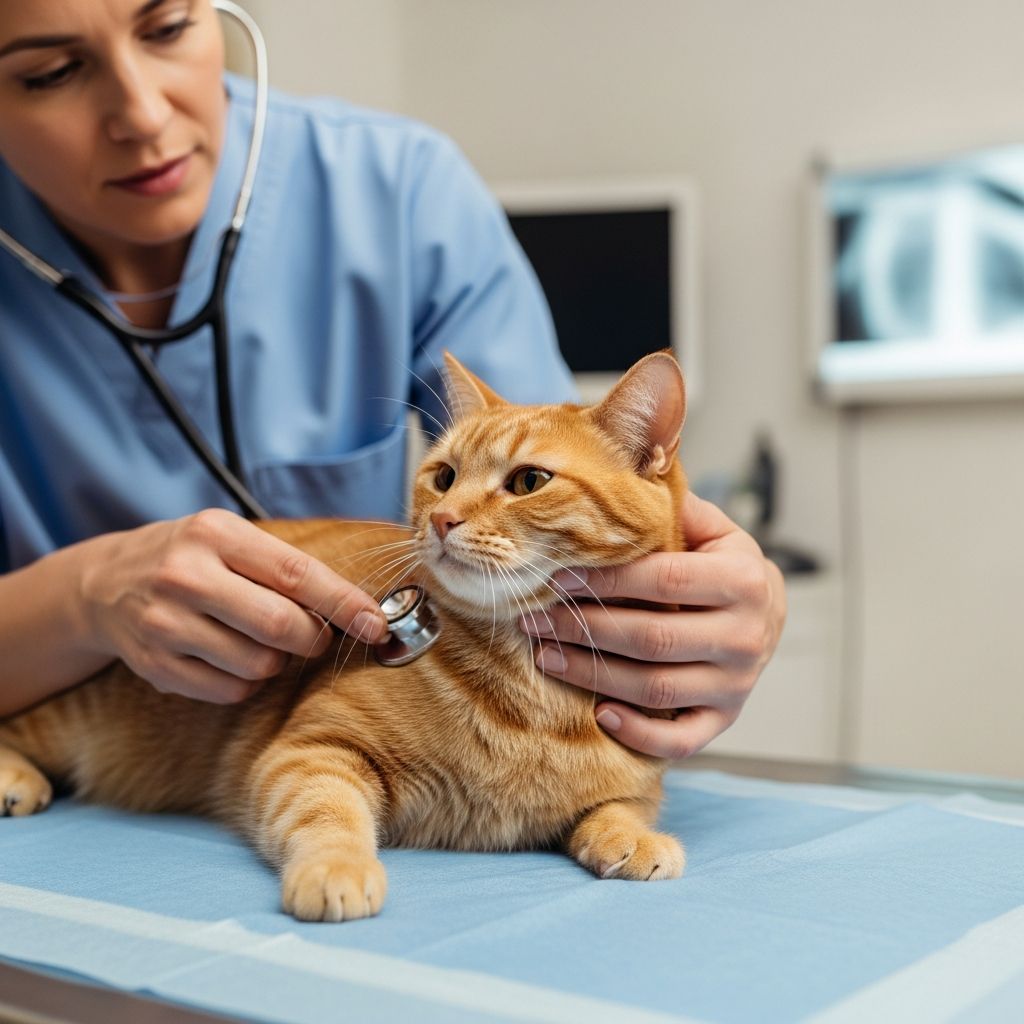
Cancer remains one of the leading health threats to cats, particularly as they age beyond seven years. While not all lumps or behavioral changes indicate malignancy, recognizing early indicators can dramatically influence prognosis. This comprehensive guide explores the subtle cues of feline cancer, prevalent forms, diagnostic pathways, and proactive measures every cat owner should adopt.
Why Early Detection Matters for Feline Health
Detecting cancer at its inception allows for interventions that may extend life quality and duration. Tumors often grow silently until advanced stages, mimicking routine aging or minor ailments. Owners attuned to their cat’s baseline behavior stand the best chance of prompting swift veterinary evaluation. Statistics from veterinary oncology sources highlight that early-stage lymphomas respond favorably to chemotherapy, contrasting with late detections where metastasis complicates treatment.
Key Physical Signs That Warrant Attention
Cats mask discomfort adeptly, making vigilance essential. Monitor for these tangible changes:
- Unusual lumps or bumps: Palpable masses under the skin, especially if firm, growing, or fixed in place, signal potential tumors like fibrosarcomas.
- Non-healing wounds or ulcers: Persistent sores, particularly in the mouth or on light-colored skin, may denote squamous cell carcinoma.
- Abnormal odors: Foul breath or discharge from orifices often stems from oral cancers or necrotic tissue.
- Enlarged lymph nodes: Swollen glands near the jaw or limbs suggest lymphoma proliferation.
- Skin alterations: Rough fur, hair loss, or discoloration around masses indicate underlying pathology.
Regular at-home exams—gently feeling the body weekly—can reveal these before they escalate.
Behavioral and Systemic Indicators
Beyond visible cues, internal shifts manifest behaviorally. Cats with cancer frequently display:
- Appetite fluctuations: Sudden refusal of food or selective eating, leading to cachexia (wasting).
- Unexplained weight loss: Even with normal intake, tumors accelerate metabolism or impair nutrient uptake.
- Lethargy and withdrawal: Reduced playfulness, excessive sleeping, or hiding denotes systemic burden.
- Mobility issues: Limping, stiffness, or reluctance to jump points to bone or soft tissue involvement.
These signs overlap with conditions like hyperthyroidism or kidney disease, underscoring the need for professional differentiation.
Organ-Specific Cancer Manifestations
Cancers target diverse systems, yielding targeted symptoms. A breakdown follows:
| Cancer Type | Primary Locations | Hallmark Symptoms |
|---|---|---|
| Lymphoma | Gut, kidneys, nodes | Vomiting, diarrhea, anorexia, renal issues |
| Squamous Cell Carcinoma | Mouth, skin (ears/nose) | Drooling, halitosis, facial swelling, eating difficulty |
| Fibrosarcoma | Soft tissues, injection sites | Firm lumps, local invasion, late lethargy |
| Mast Cell Tumors | Skin, spleen | Itchy lesions, abdominal bloating |
Lymphoma dominates, comprising up to 30% of feline malignancies, often linked to retroviral history though vaccines have curtailed this. Oral squamous cell carcinomas progress rapidly, invading jawbones and demanding multimodal therapy.
Respiratory and Digestive Red Flags
Gastrointestinal and thoracic cancers present uniquely. Digestive tract lymphomas provoke chronic vomiting, bloody stools, or constipation from obstructions. Respiratory distress—coughing, open-mouth breathing, or cyanosis—may arise from mediastinal lymphomas or lung metastases. Abdominal distension signals fluid accumulation (ascites) from liver or splenic tumors. Track litter box patterns; straining or blood signifies bladder or colorectal neoplasia.
Diagnostic Journey: From Suspicion to Confirmation
Upon noting anomalies, schedule a veterinary consult promptly. Initial steps include:
- Physical examination: Palpation, oral inspection, lymph node assessment.
- Bloodwork and urinalysis: Detects anemia, elevated proteins, or organ dysfunction.
- Imaging: Ultrasound or radiographs reveal masses, effusions, or metastases.
- Biopsy or cytology: Fine-needle aspirates or surgical samples provide definitive histology.
Advanced tools like CT scans or endoscopy refine staging. Early biopsies are crucial, as many feline cancers like small-cell lymphoma yield to chemotherapy with remission rates exceeding 90%.
Risk Factors and Prevention Strategies
Though not fully preventable, mitigate risks:
- Outdoor exposure: Indoor cats evade sun-induced skin cancers and toxins.
- Vaccination protocols: Minimizes injection-site sarcomas; adhere to core vaccines only.
- Spaying/neutering: Lowers mammary carcinoma odds.
- Nutrition and weight management: Obesity exacerbates inflammation; opt for antioxidant-rich diets.
- Regular wellness checks: Biannual exams for seniors flag issues pre-symptomatically.
FeLV/FIV testing remains pivotal, as viral status heightens lymphoma susceptibility.
When to Escalate Care Urgently
Not all signs demand panic, but these merit immediate ER visits:
- Severe dyspnea or collapse.
- Complete anorexia exceeding 24 hours.
- Profuse bleeding or pale gums.
- Seizures or disorientation.
Delay risks irreversible decline; oncologist referrals follow stabilization.
FAQs on Feline Cancer Detection
What is the most prevalent cancer in cats?
Lymphoma tops the list, frequently targeting the intestines, kidneys, or lymph nodes.
Can all lumps be cancerous?
No—many are benign cysts or abscesses—but any changing mass requires veterinary cytology.
How does cat cancer differ from human forms?
Feline cancers metastasize slower but are often diagnosed later due to masked symptoms.
Is chemotherapy painful for cats?
Typically not; side effects are milder than in humans, with many tolerating treatment well.
Does diet influence cancer risk?
Balanced nutrition supports immunity; some studies link processed foods to inflammation, though evidence is emerging.
Supporting Your Cat Through Diagnosis
A cancer verdict challenges owners emotionally. Palliative care emphasizes comfort: pain meds, appetite stimulants, and hydration therapies. Discuss quality-of-life scales with vets to guide decisions compassionately. Support groups and nutritionists aid holistic management.
Empowerment stems from knowledge. By mastering these signs—from palpable anomalies to vitality dips—owners transform into frontline defenders. Routine vigilance, fused with trust in veterinary expertise, optimizes feline longevity amid malignancy threats.
References
- Cancer in Cats: Common Types, Symptoms, Diagnosis, and Treatment — OncoDaily. 2023. https://oncodaily.com/oncolibrary/cancer-in-cats
- Signs of Cancer in Cats & Common Types — Pacific Santa Cruz Vet. 2022-08-15. https://www.pacificsantacruzvet.com/site/blog/2022/08/15/cancer-in-cats
- What are Common Warning Signs of Cancer in Pets? — NC State University College of Veterinary Medicine. 2023. https://hospital.cvm.ncsu.edu/resources/animal-care/what-are-common-warning-signs-of-cancer-in-pets/
- 4 Types of Cat Cancer and Their Common Symptoms — Belton Vet Clinic. 2023. https://www.beltonvetclinic.com/services/cats/blog/4-types-cat-cancer-and-their-common-symptoms
- Cat Cancer — Dogwood Veterinary Specialty and Emergency. 2023. https://www.dogwood.vet/services/cats/cat-cancer-marietta
- 10 Signs of Cancer in Cats: What To Look For and How To Help — PetMD. 2024. https://www.petmd.com/cat/general-health/signs-of-cancer-in-cats
- 10 Warning Signs of Cancer in Dogs and Cats — Petco Love. 2023. https://petcolove.org/lost/articles/10-warning-signs-of-cancer-in-dogs-and-cats/
Similar Articles








Read full bio of Sneha Tete




