

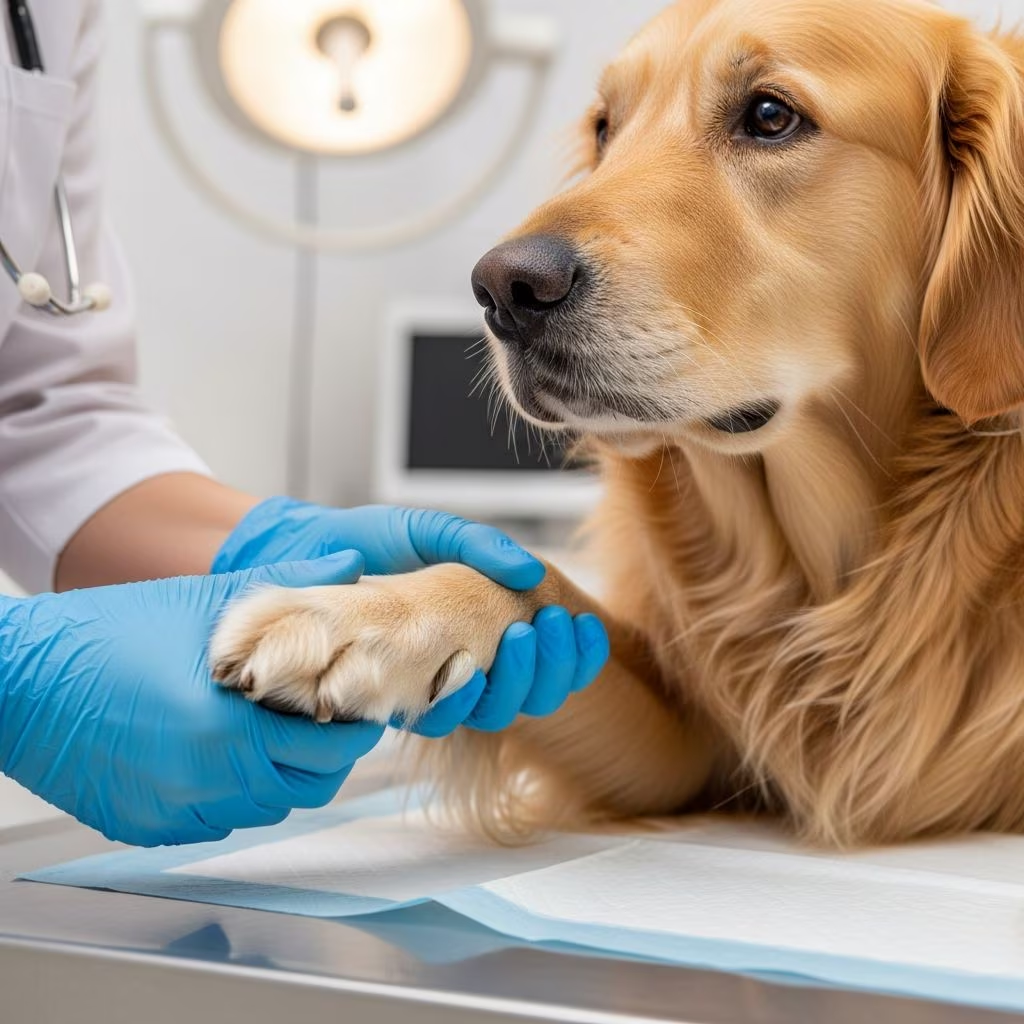
Arthritis, particularly osteoarthritis (OA), affects countless dogs, especially as they age, causing joint inflammation, pain, and reduced mobility. Early detection allows for interventions that can significantly enhance a dog’s comfort and longevity. This comprehensive guide explores the subtle beginnings of the condition, its advancement through stages, diagnostic approaches, and multifaceted treatment options grounded in veterinary science.
Understanding the Roots of Canine Joint Disease
Osteoarthritis in dogs arises from the progressive breakdown of cartilage within joints, leading to bone-on-bone friction, inflammation, and pain. While aging is a primary factor, developmental issues like hip dysplasia, traumatic injuries, or even infections can initiate the process at younger ages. Larger breeds such as Labrador Retrievers and German Shepherds face higher risks due to their size and joint stress.
The disease disrupts normal joint function, where protective cartilage erodes, synovial fluid diminishes, and surrounding muscles weaken from disuse. This creates a cycle of pain and immobility that, if unchecked, accelerates deterioration. Recognizing precursors like subtle gait changes is crucial for timely veterinary consultation.
Key Indicators of Emerging Joint Problems
Dogs rarely vocalize pain, making behavioral shifts the primary clues. Common early signs include:
- Morning stiffness: Reluctance to rise after rest, improving with gentle movement.
- Gait alterations: Bunny hopping, limping, or a stiff-legged walk, especially post-exercise.
- Activity avoidance: Hesitation to jump, climb stairs, or play fetch.
- Personality changes: Increased irritability, lethargy, or reduced appetite due to discomfort.
- Physical cues: Muscle wasting around affected joints, swollen areas, or excessive licking/chewing.
These symptoms often mimic normal aging, but persistence warrants attention. Owners of senior dogs should monitor daily routines closely for these patterns.
Progression: The Four Stages of Dog Arthritis
Arthritis advances predictably, with each stage presenting escalating challenges. Understanding this timeline aids in proactive care.
| Stage | Symptoms | Joint Changes | Management Focus |
|---|---|---|---|
| 1: Early | Subtle stiffness after inactivity; minor gait shifts | Initial cartilage wear | Weight control, light exercise |
| 2: Mild | Noticeable limping post-activity; joint swelling | Increased friction, fluid loss | Supplements, mild pain relief |
| 3: Moderate | Consistent lameness; difficulty rising; muscle atrophy | Bone spurs, inflammation | Medications, therapy |
| 4: Severe | Extreme pain; inability to walk; total immobility | Bone-on-bone, deformity | Advanced interventions, surgery |
Progression varies by dog, but early stages are reversible with intervention, preventing irreversible damage.
Diagnostic Pathways for Accurate Assessment
Veterinarians begin with a detailed history and physical exam, observing gait, posture, and palpating joints for pain, crepitus (grinding), swelling, or limited range of motion. Even subtle discomfort during manipulation signals issues.
Radiographs (X-rays) are cornerstone diagnostics, revealing joint space narrowing, bone remodeling, or spurs, while ruling out mimics like tumors. Advanced imaging—CT, MRI, or arthroscopy—evaluates soft tissues when X-rays fall short. Bloodwork screens for underlying infections or metabolic causes. Sedation may be needed for precise positioning.
Comprehensive Treatment Strategies
No cure exists, but multimodal management controls pain, slows progression, and restores function.
Pharmacological Interventions
- NSAIDs: First-line for inflammation and pain; options like carprofen, meloxicam, or grapiprant (Galliprant) provide daily relief, safest under vet supervision.
- Librela: Monthly anti-NGF injection targeting osteoarthritis pain specifically.
- Corticosteroids: Short-term for acute flares, never combined with NSAIDs.
- Analgesics: For non-inflammatory pain control.
Physical Rehabilitation Techniques
Therapy rebuilds strength and mobility:
- Passive range-of-motion exercises and therapeutic massage.
- Underwater treadmill or swimming for low-impact cardio.
- Shockwave therapy to reduce inflammation.
- Electrical stimulation (TENS/NMES) for pain relief and muscle building.
- Laser therapy to promote healing.
Nutritional and Supplemental Support
Joint supplements with glucosamine, chondroitin, omega-3s, or green-lipped mussel aid cartilage health. Prescription diets promote weight loss, easing joint burden.
Emerging and Surgical Options
Adipose-derived stem cell therapy harvests fat cells, processes them, and reinjects to modulate inflammation—promising but investigational. Surgery like joint replacement or amputation suits specific cases, such as tumors misdiagnosed as OA.
Lifestyle Adjustments for Long-Term Joint Health
Preventive measures amplify treatments:
- Maintain ideal weight to minimize stress.
- Provide orthopedic beds and ramps for accessibility.
- Incorporate low-impact activities like short walks or swimming.
- Use joint-friendly flooring to prevent slips.
Regular vet check-ups track progression, adjusting plans dynamically.
FAQs on Canine Arthritis
What breeds are most prone to arthritis?
Large and giant breeds like Labs, Rottweilers, and Mastiffs due to joint strain.
Can young dogs get arthritis?
Yes, from congenital issues or injuries, though less common.
Is over-the-counter pain relief safe for dogs?
No; human meds like ibuprofen can cause toxicity. Use vet-prescribed only.
How effective is physical therapy?
Highly; improves mobility, reduces pain, and enhances life quality.
What’s the prognosis with treatment?
Many dogs live comfortably for years with proper management.
By staying vigilant for early signs and partnering with veterinarians, dog owners can transform arthritis from a debilitating diagnosis into a manageable condition, ensuring their companions enjoy active, pain-free golden years.
References
- Arthritis in Dogs: What It is, Causes, and Treatment — Long Beach Animal Hospital. 2023. https://lbah.com/canine/arthritis/
- Osteoarthritis — Cornell University College of Veterinary Medicine. 2024-10-15. https://www.vet.cornell.edu/departments-centers-and-institutes/riney-canine-health-center/canine-health-topics/osteoarthritis
- Dog Arthritis Treatment: How To Help a Dog With Arthritis — PetMD. 2025-01-20. https://www.petmd.com/dog/general-health/dog-arthritis-treatment-how-to-help-a-dog
- What are the 4 Stages of Arthritis in Dogs? — Rockwall Urgent Vet. 2024-08-10. https://www.rockwallurgentvet.com/blog/what-are-the-4-stages-of-arthritis-in-dogs
- Arthritis in Dogs — Blue Cross. 2024. https://www.bluecross.org.uk/advice/dog/health-and-injuries/arthritis-in-dogs
- Understanding Arthritis in Dogs: Symptoms, Diagnosis and Care — CareCredit. 2024-11-05. https://www.carecredit.com/well-u/health-wellness/pet-care/dog-arthritis-treatment/



