

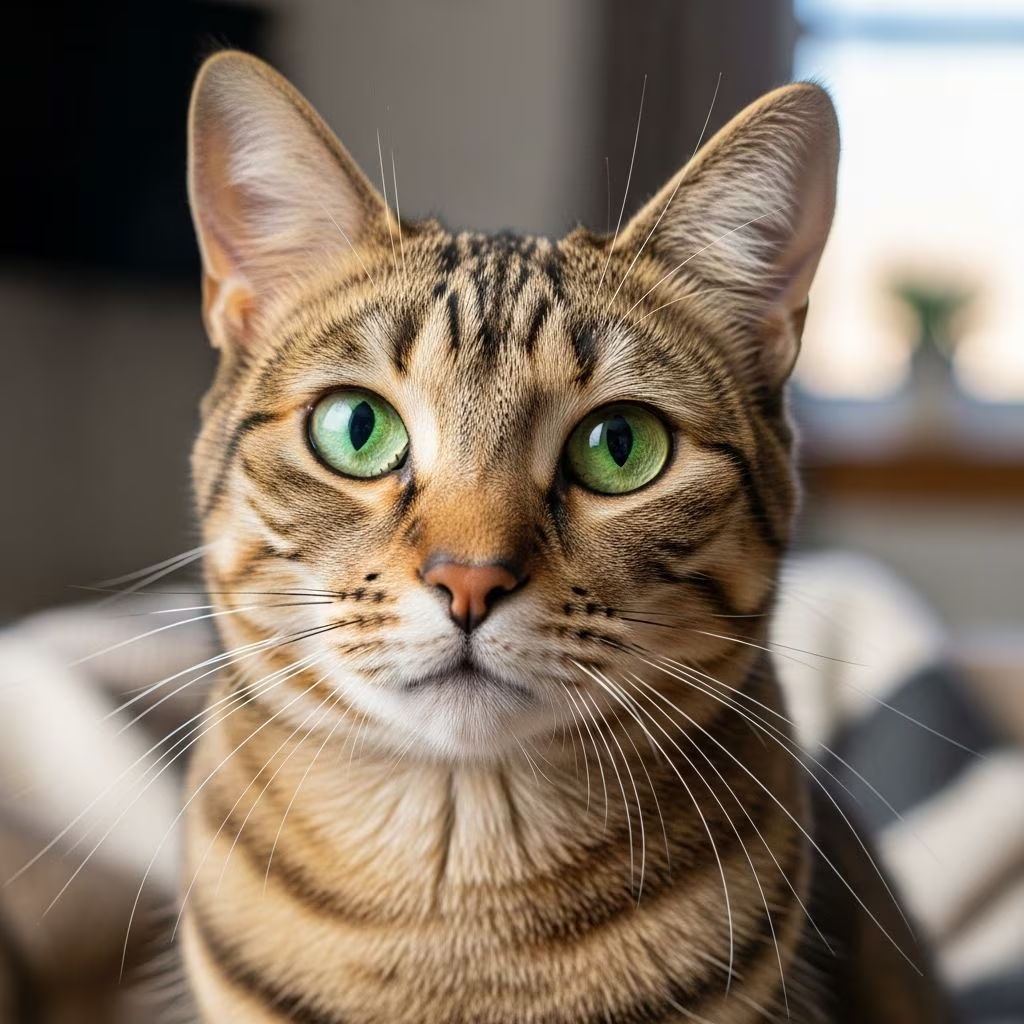
Observing your cat daily helps detect wellness or potential problems early. A thriving cat displays consistent physical vitality, balanced behavior, and smooth bodily functions. This guide explores comprehensive markers across body condition, senses, movement, elimination, grooming, and temperament to empower owners in maintaining peak feline health.
Physical Appearance and Coat Quality
The exterior of a cat offers immediate clues about internal health. A vibrant coat signals good nutrition and hygiene practices.
- Shiny, Soft Fur: Look for glossy hair without mats, bald spots, dandruff, or excessive oiliness, indicating balanced diet and regular self-maintenance.
- Elastic Skin: Skin should move freely without redness, flakiness, or parasites; pinch the scruff gently—it snaps back instantly if hydrated.
- Ideal Weight Profile: Feel ribs easily without seeing them; waist visible from above, with a slight abdominal tuck.
Overweight cats risk diabetes and joint strain, while underweight ones may face malnutrition. Weekly weigh-ins track stability.
Clear Eyes, Ears, Nose, and Mouth
Sensory organs reflect systemic health; routine checks prevent overlooked issues.
| Feature | Healthy Signs | Red Flags |
|---|---|---|
| Eyes | Bright, clear, no discharge; pupils react to light | Cloudiness, redness, squinting, tearing |
| Ears | Clean, pink, no odor or wax buildup; alert posture | Black debris, scratching, head tilting |
| Nose | Moist, cool, no crusting or sneezing | Dry cracks, nasal discharge |
| Mouth & Teeth | Pink gums, white teeth, fresh breath; no tartar | Yellow buildup, bleeding, drooling |
Gum check: Press gently; color returns in under 2 seconds for good circulation. Dental neglect leads to bacteria spreading to organs.
Vital Signs and Breathing Patterns
Monitor baselines at rest for deviations signaling distress.
- Respiration: 15-30 breaths per minute; smooth, quiet—no wheezing or panting.
- Heart Rate: 140-220 beats per minute; feel pulse inside hind leg.
- Temperature: 100.5-102.5°F rectally; ear thermometers approximate.
Count breaths for 15 seconds, multiply by 4. Rapid or labored breathing warrants immediate vet attention.
Active Mobility and Body Language
A fit cat navigates environments fluidly, revealing joint and muscle integrity.
- Smooth Gait: No limping, stiffness, or dragging; jumps effortlessly.
- Playful Postures: Relaxed lounging, upright confidence, tail up—avoid hunched backs or tucked abdomens.
- Balanced Energy: 12-16 hours sleep daily, plus bursts of activity; no lethargy.
Arthritis in seniors shows as hesitation on high perches. Provide ramps for accessibility.
Digestion and Elimination Habits
Gastrointestinal regularity mirrors diet efficacy and hydration.
- Stool Quality: Firm, formed, medium-brown; 1-2 times daily without straining.
- Urination: Clear/pale urine, no blood; 2-4 voids per day depending on intake.
- No Vomiting: Occasional hairballs acceptable; frequent episodes signal issues.
Litter box vigilance catches urinary tract infections early, common in cats.
Grooming and Hydration Status
Self-grooming frequency indicates comfort and energy levels.
- Daily Maintenance: Clean fur from licking; undercoat smooth.
- Hydration Test: Skin tenting absent; encourage fountains for water intake.
- Nail Health: Blunt, retracted; not splitting or overgrown.
Excessive licking points to allergies; neglect suggests pain or depression.
Behavioral and Temperament Markers
Mood reflects mental and physical harmony; know your cat’s baseline.
- Social Engagement: Purring, rubbing, chirps; greets owners comfortably.
- Appetite Consistency: Eats/drinks normally; no sudden refusal.
- Play Drive: Chases toys, explores; avoids hiding or aggression spikes.
Sudden withdrawal or vocal changes merit observation; stress alters routines.
Home Health Monitoring Routine
Integrate weekly assessments for proactive care.
- Weigh and body-score your cat.
- Inspect eyes, ears, mouth under good light.
- Observe 10-minute play session.
- Check litter output.
- Note sleep/play ratio.
Track changes in a journal. Annual vet exams complement home checks.
Nutrition’s Role in Sustained Health
Quality food underpins all indicators.
- Tailor to life stage: High-protein for growth, joint support for elders.
- Fresh water always; wet food boosts moisture.
- Avoid obesity: Measure portions.
Consult vets for personalized plans.
Age-Specific Wellness Adjustments
Expect evolutions while watching for anomalies.
| Life Stage | Focus Areas |
|---|---|
| Kitten | Weight gain, curiosity, soft stools |
| Adult | Stable weight, grooming, energy |
| Senior | Mobility, thirst increase, softer stools |
Seniors need frequent kidney/dental screens.
Common Myths About Cat Health
Myth 1: Cats hide illness perfectly—no, subtle cues like reduced grooming exist.
Myth 2: Indoor cats immune to issues—obesity, stress common.
Myth 3: Purring always joy—can indicate pain soothing.
FAQs
What is a normal cat weight?
4-15 pounds typically; body condition matters more than pounds.
How often should my cat poop?
1-2 times daily; consistency key.
When to call the vet?
Any appetite loss over 24 hours, lethargy, or discharge.
Is my cat drinking enough?
Monitor wet food, fountains; pale urine ideal.
Can behavior predict illness?
Yes—hiding, aggression shifts signal problems.
Preventive Strategies for Longevity
Vaccines, parasite control, dental chews extend vitality. Mental stimulation via toys/puzzles combats boredom.
References
- Signs of a Healthy Cat: Weight, Coat, Diet, & Personality — Pet Releaf. 2023. https://petreleaf.com/blogs/blog/signs-of-a-healthy-cat-weight-coat-diet-personality
- Cat Health Check – 5 Signs of a Healthy Cat — Bella+Duke. 2024. https://www.bellaandduke.com/cats/expert-advice/cat-health/healthy-cat-health-check/
- Cat health checklist: What is your cat’s normal? — Vetster. 2024. https://vetster.com/en/wellness/cat-health-checklist-what-is-your-cat-s-normal
- What Cat Body Language Reveals About Health — The Refined Feline. 2023. https://www.therefinedfeline.com/what-your-cats-body-language-could-tell-you-about-their-health/
- Our Go-To Guide To Support Excellent Cat Health — Springbrook Animal Care Center. 2024. https://www.springbrookanimalcarecenter.com/blog/our-go-to-guide-to-support-excellent-cat-health



