

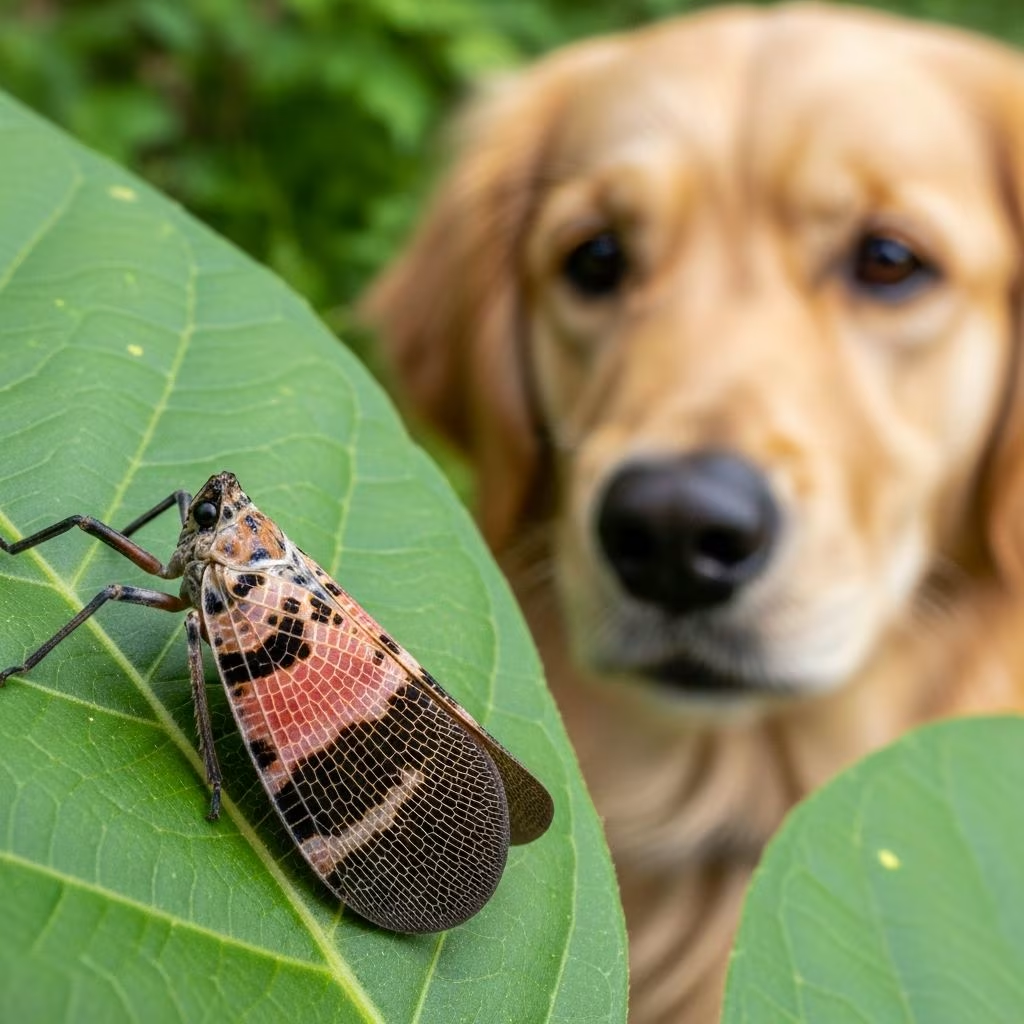
Spotted lanternflies, an invasive species from Asia, have rapidly spread across the United States, raising concerns among pet owners about their impact on dogs. While rumors of severe toxicity circulate, veterinary experts confirm these insects pose minimal risk, though ingestion can lead to mild gastrointestinal issues. This comprehensive guide explores their biology, potential effects on canines, monitoring strategies, and proactive protection measures.
Understanding the Spotted Lanternfly Invasion
First detected in Pennsylvania in 2014, the spotted lanternfly (Lycorma delicatula) originates from Southeast Asia. Without natural predators in North America, populations explode, threatening agriculture by feeding on over 70 plant species, including grapes, apples, and maples. Adults feature striking gray wings with red and black spots, while nymphs display black-and-white stripes. They lay eggs on diverse surfaces like trees, vehicles, and outdoor furniture, facilitating rapid dispersal.
Females produce up to 1,000 eggs per season in sticky masses covered by a gray, waxy coating. Hatching in spring, nymphs progress through four stages before maturing in late summer. Their feeding excretes a sugary \”honeydew\” that attracts sooty mold and secondary pests, exacerbating ecological damage. States like New York, Delaware, and Virginia now report infestations, prompting quarantines and eradication efforts.
Debunking Toxicity Myths Surrounding Lanternflies and Pets
Social media claims suggest spotted lanternflies cause seizures, blisters, or fatal poisoning in dogs. However, no scientific evidence supports these assertions. Reputable analyses, including those from university extensions, find no known toxins in the insects. A reported Delaware case mentioned paw blisters, but it remains isolated and unverified across broader studies.
Veterinarians note that while not venomous, the bugs’ bitter taste—likely from host plants—may deter predators like birds. Dogs, driven by curiosity, sometimes ingest them anyway. Pesticide residues from control efforts represent a greater concern than the insects themselves, potentially irritating the digestive tract if consumed.
Potential Health Effects on Dogs from Lanternfly Encounters
- Mild Stomach Upset: Vomiting occurs most frequently, often resolving within hours, as seen in cases where dogs consumed one or more insects.
- Excessive Salivation: Drooling and mouth pawing stem from the unpleasant texture or flavor, mimicking reactions to other bugs.
- Lethargy or Nausea: Temporary appetite loss or shivering may appear but typically self-limit without intervention.
- Rare Allergic Responses: In sensitive dogs, mild inflammation could arise, though undocumented specifically for lanternflies.
These symptoms overlap with reactions to countless insects or unrelated ailments, underscoring the need for context like witnessed ingestion. Consuming multiple lanternflies or pesticide-exposed ones heightens upset risk, but single incidents rarely escalate.
Immediate Steps If Your Dog Eats a Spotted Lanternfly
Stay calm—most episodes pass uneventfully. Hydrate your pet with water or ice cubes to soothe the mouth and prevent dehydration from vomiting. Withhold food briefly to settle the stomach, then offer small, bland meals like boiled rice if symptoms subside.
| Symptom Severity | Recommended Action |
|---|---|
| No symptoms | Observe normally; no vet contact needed |
| Mild vomiting (1-2 episodes) | Monitor 24 hours; ensure hydration |
| Persistent vomiting, diarrhea, or lethargy | Contact veterinarian or poison hotline immediately |
| Seizures, swelling, or breathing issues | Seek emergency care without delay |
Hotlines include ASPCA Animal Poison Control (888-426-4435) and Pet Poison Helpline (855-764-7661). Report sightings to local agriculture departments to aid containment.
Proven Prevention Tactics for Pet Owners
Proactive habits minimize exposure during peak seasons (late summer to fall).
- Supervise Outdoor Time: Leash walks in infested areas; distract with toys from crawling bugs.
- Train Basic Commands: “Leave it” or “drop it” curbs snapping instincts.
- Yard Management: Remove egg masses from trees and debris; use pet-safe traps elevated away from ground level.
- Paw and Coat Checks: Wipe feet post-walks to clear honeydew or crushed remains, preventing ingestion while grooming.
- Pesticide Caution: Opt for non-chemical controls; if spraying, keep dogs indoors until dry.
Dogs excel at detection—University of Pennsylvania trains them to sniff egg masses with 95% accuracy, highlighting their utility in invasive species management.
Regional Spread and Regulatory Responses
Over a dozen states battle outbreaks, with federal quarantines restricting transport of infested materials. The USDA collaborates with locals on biological controls like wasps and fungi. Pet owners in hotspots (e.g., Mid-Atlantic) should check state agriculture sites for updates and reporting protocols. Early intervention curbs spread, protecting both ecosystems and companion animals indirectly.
FAQs: Spotted Lanternflies and Canine Health
Are spotted lanternflies poisonous to dogs?
No confirmed toxins exist; they cause at most mild digestive irritation, not poisoning.
Do lanternflies bite or sting pets?
Neither—they lack biting or stinging mouthparts, posing no direct injury risk.
What if my dog steps on dead lanternflies?
Low concern unless paws contact pesticides; rinse to avoid self-licking.
Can multiple ingestions harm my pet?
Large quantities may amplify stomach upset; monitor closely and consult vets.
Are lanternfly traps safe around dogs?
Choose enclosed, vertical designs to prevent adhesive contact or drowning.
Long-Term Outlook for Pets in Lanternfly Zones
As research advances, no evidence suggests chronic threats. Focus on containment supports pet safety alongside environmental health. Educate neighbors on reporting to slow proliferation. With vigilance, dogs thrive amid this invasion—quick action turns potential nuisances into manageable encounters.
References
- Penn State University Extension Service on Spotted Lanternfly — Penn State Extension. 2024. https://extension.psu.edu/spotted-lanternfly
- USDA Spotted Lanternfly Management Guide — United States Department of Agriculture. 2025-06-15. https://www.aphis.usda.gov/plant-pests-diseases/spotted-lanternfly
- Delaware Department of Agriculture Lanternfly Report — Delaware Department of Agriculture. 2023. https://agriculture.delaware.gov/plants/pests/spotted-lanternfly/
- ASPCA Animal Poison Control Center Guidelines — ASPCA. 2025. https://www.aspca.org/pet-care/animal-poison-control
- University of Pennsylvania Lanternfly Detection Dogs — Penn Vet Working Dog Center. 2024-03-10. https://www.pennvetworkingdog.org/spotted-lanternfly-dogs



