

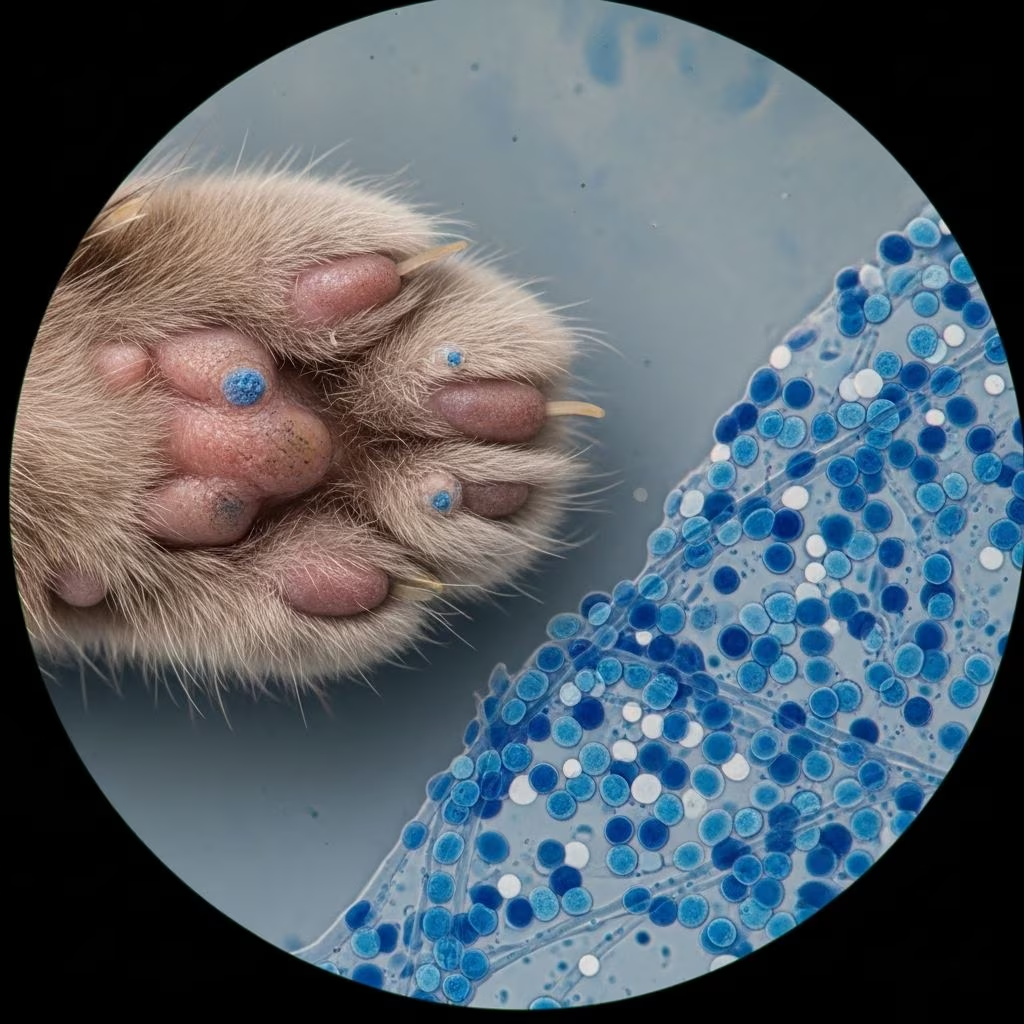
Sporotrichosis represents a significant fungal infection affecting numerous animal species, including dogs, cats, horses, cattle, and various other domestic and wild animals. This chronic, granulomatous disease develops through exposure to the dimorphic fungus Sporothrix schenckii, which exists naturally in environmental reservoirs including soil, decaying plant matter, and sphagnum moss. The disease presents particular challenges to veterinary practitioners due to its ability to mimic other conditions, its zoonotic potential, and the extended treatment periods required for successful resolution.
Environmental Origins and Transmission Mechanisms
The Sporothrix fungus operates as a ubiquitous organism found throughout environmental ecosystems in temperate and tropical regions. The fungus naturally colonizes soil enriched with decaying organic material, making exposure unavoidable for animals with outdoor access or those engaged in activities bringing them into contact with contaminated soil and plant matter. Animals exposed to soil-rich environments with significant organic debris demonstrate increased predisposition to infection.
Transmission to animals occurs through two primary mechanisms: direct inoculation via traumatized skin and respiratory inhalation. Puncture wounds from thorns, splinters, and contaminated foreign bodies create ideal pathways for fungal establishment. In canine populations, hunting breeds and outdoor dogs frequently exposed to thorny vegetation demonstrate higher infection rates. Feline sporotrichosis frequently develops through bite wounds and scratches, with the fungus establishing infection through breaks in skin integrity. Interestingly, feline transmission to humans can occur without evidence of trauma, distinguishing cats from other animal reservoirs in terms of zoonotic risk.
Disease Classification and Clinical Presentation Patterns
Veterinary practitioners recognize three distinct clinical manifestations of sporotrichosis, each presenting unique diagnostic and therapeutic challenges:
Lymphocutaneous Form
The lymphocutaneous presentation represents the most frequently observed manifestation. Initial infection develops at the inoculation site, where firm dermal and subcutaneous nodules measuring 1-3 centimeters in diameter become apparent. As infection progresses along lymphatic vessels, characteristic cording develops alongside additional nodule formation. Lesions typically ulcerate and discharge serohemorrhagic exudate, creating visible drainage tracts. This form remains relatively localized but follows a predictable ascending pattern along lymphatic channels.
Cutaneous Form
The cutaneous variant involves localized skin manifestations without prominent lymphatic involvement. Dogs frequently develop multifocal nonpruritic ulcerated lesions and crusts, particularly along the trunk, dorsal paws, and thoracic limbs. Plaques and nodules characterize the presentation, creating visible skin abnormalities. Although lesions remain primarily localized, they may appear at multiple body sites simultaneously. This form typically responds well to appropriate antifungal therapy when diagnosis occurs promptly.
Disseminated Form
Disseminated sporotrichosis represents the most severe manifestation, characterized by hematogenous or tissue spread from the initial inoculation site to multiple organ systems. Affected animals may develop bone and joint involvement (osteoarticular sporotrichosis), pulmonary infection, hepatic and splenic lesions, testicular involvement, gastrointestinal tract infection, and central nervous system involvement (sporotrichosis meningitis). Disseminated disease carries significant morbidity and mortality risk, particularly when cutaneous or lymphocutaneous forms remain untreated or when patients receive inappropriate corticosteroid therapy that suppresses immune function. Systemic signs including malaise, fever, anorexia, and weight loss accompany disseminated presentations.
Risk Factors and Population Susceptibility
| Risk Factor Category | Specific Risk Elements | Affected Populations |
|---|---|---|
| Environmental Exposure | Soil with organic debris, thorny vegetation, sphagnum moss | Outdoor animals, hunting dogs, free-roaming cats |
| Traumatic Injury | Puncture wounds, splinters, thorn penetration, bite wounds | Working dogs, cats with outdoor access |
| Immunological Status | Immunosuppressive diseases, corticosteroid therapy | Animals with underlying immune dysfunction |
| Contact with Infected Animals | Exposure to infected animals or contaminated materials | Multiple-animal households, shelter populations |
Immunocompromised animals demonstrate increased susceptibility to developing disseminated disease forms. Paradoxically, inappropriate corticosteroid therapy for suspected autoimmune conditions can facilitate fungal proliferation and disease progression. Animals with immunosuppressive diseases naturally demonstrate heightened risk for severe manifestations.
Diagnostic Approaches and Identification Methods
Diagnosis of sporotrichosis requires integration of clinical findings with laboratory confirmation, as clinical presentation frequently mimics other dermatologic and systemic conditions including immune-mediated diseases, neoplasia, blastomycosis, and cryptococcosis.
Physical Examination Findings
Veterinarians should evaluate animals presenting with compatible clinical signs through systematic physical examination. Key findings may include firm, enlarged lymph nodes, palpable joint effusion, multifocal ulcerated or crusting skin lesions, lameness, respiratory signs including nasal discharge or stertor, and occasional ophthalmologic or neurologic abnormalities in disseminated cases.
Laboratory Confirmation Methods
Cytologic examination of material obtained from lesions, draining tracts, or lymph node aspirates represents an accessible initial diagnostic approach. However, cytology demonstrates relatively low sensitivity in many canine cases, and negative results should not exclude sporotrichosis from the differential diagnosis. Visualization of characteristic yeast forms may be enhanced through special staining techniques.
Tissue fungal culture from biopsy specimens provides definitive diagnosis and allows species identification. Biopsied tissue should be submitted for both histopathologic examination and fungal culture. Histopathology typically reveals granulomatous inflammation with fungal organisms present. Culture growth may require extended incubation periods but remains the gold standard for confirmation.
Complete blood profiles, including complete blood count and serum chemistry panels, support diagnostic evaluation by identifying systemic involvement patterns. Radiographic or advanced imaging may be indicated when respiratory, bone, or neurologic involvement is suspected.
Treatment Protocols and Therapeutic Outcomes
Antifungal therapy requires extended duration and careful monitoring to achieve successful resolution. Treatment duration varies significantly between animal species and disease severity.
First-Line Antifungal Agent
Itraconazole constitutes the treatment of choice for sporotrichosis across species. The recommended dosage of 10 mg/kg administered orally every 24 hours provides effective fungal suppression. Treatment must continue for a minimum of one month beyond apparent clinical cure, meaning typical therapy extends beyond two months. Cats frequently require treatment durations exceeding 12 months, and therapy failures occasionally occur despite appropriate dosing and duration. Itraconazole is potentially hepatotoxic; therefore, owners require education regarding clinical signs of liver disease, and monthly monitoring of serum liver enzymes is recommended throughout the treatment period.
Alternative Antifungal Options
Terbinafine demonstrates efficacy as an alternative agent when administered at 30 mg/kg orally daily. Some cases respond successfully to terbinafine monotherapy, making it a viable option for animals unable to tolerate itraconazole or demonstrating hepatic concerns.
Potassium iodide has demonstrated historical success alone or in combination with azole antifungals. This agent may be considered for specific cases, though it has been largely superseded by modern azole therapy in contemporary practice.
Factors Influencing Treatment Success
Prompt recognition and appropriate antifungal therapy significantly improve outcomes. Concurrent discontinuation of immunosuppressive medications when possible, combined with initiation of antifungal therapy, facilitates rapid recovery. Animals may demonstrate rapid clinical improvement following appropriate treatment initiation, though complete resolution requires the extended treatment timeline.
Zoonotic Risk Considerations and Public Health
Sporotrichosis represents a transmissible disease to human handlers and warrants appropriate preventive measures. Zoonotic transmission from cats to humans occurs more readily than from other animal species and may develop without evidence of skin trauma in human patients. Transmission from dogs and other species typically requires inoculation of previously traumatized human skin. The large number of organisms present in feline wounds, claws, and feces accounts for the elevated zoonotic potential of feline sporotrichosis.
Handlers managing affected animals require education regarding infection prevention, including proper use of protective equipment, careful handling techniques, and wound care practices. Even individuals without visible skin breaks should maintain protective precautions, as fungal penetration may occur through microscopic skin disruptions.
Differential Diagnosis and Diagnostic Challenges
The polymorphic clinical presentation of sporotrichosis creates significant diagnostic challenges. Multifocal ulcerative skin lesions may resemble immune-mediated dermatologic conditions, neoplastic processes, or other infectious diseases. The cutaneous manifestations can mimic blastomycosis or cryptococcosis, particularly when systemic involvement occurs. Respiratory signs associated with pulmonary sporotrichosis may suggest primary respiratory disease rather than systemic fungal infection. Bone and joint involvement may be mistaken for immune-mediated arthritis or other orthopedic conditions.
Veterinarians should maintain high suspicion for sporotrichosis in animals presenting with multifocal ulcerative lesions, particularly those with historical exposure to contaminated soil or traumatic inoculation risk factors. Inclusion of fungal-specific diagnostics in cases that fail to respond to conventional therapies for suspected immune-mediated or infectious conditions remains essential for timely diagnosis.
Prognosis and Long-Term Management
Prognosis varies based on disease form, promptness of diagnosis, and treatment compliance. Cutaneous and lymphocutaneous forms typically respond well to appropriate antifungal therapy, with good outcomes expected when treatment continues for the recommended duration. Disseminated disease carries more guarded prognosis, though treatment initiation prior to extensive organ involvement improves outcome likelihood.
Owner compliance with extended treatment regimens significantly influences success rates. The requirement for therapy continuation beyond apparent clinical cure often presents challenges in maintaining consistent medication administration. Educating owners regarding the necessity of prolonged treatment and the potential for relapse with premature discontinuation improves medication adherence.
Frequency Asked Questions About Sporotrichosis
- Can animals with sporotrichosis transmit the disease to other animals?
- Transmission between animals occurs primarily through direct contact with infectious material, particularly from feline bite wounds. Environmental transmission risk remains relatively low except in high-contact situations. Isolation of affected animals from other pets reduces transmission risk.
- What environmental conditions favor Sporothrix persistence?
- The fungus thrives in moist, organic-rich soil environments. Thorny vegetation, sphagnum moss, and decaying plant matter harbor high fungal concentrations. Environmental decontamination through removal of contaminated soil and vegetation reduces future exposure risk.
- How long does treatment typically require?
- Dogs may require 2-3 months of treatment, while cats frequently need 12 or more months. Treatment must continue minimum one month beyond apparent clinical resolution to prevent relapse.
- What monitoring is necessary during antifungal therapy?
- Monthly liver enzyme monitoring is recommended with itraconazole therapy. Clinical response assessment at regular intervals guides treatment decisions. Owner observation for medication side effects and disease progression signs remains important.
Conclusion
Sporotrichosis in animals represents a chronic, manageable fungal infection when recognized promptly and treated appropriately with extended antifungal therapy. The disease’s ability to mimic other conditions necessitates maintaining clinical suspicion in animals with compatible presentations, particularly those with relevant exposure histories. Successful management requires integration of definitive diagnostic confirmation, appropriate antifungal selection, and owner commitment to extended therapy protocols. Understanding transmission mechanisms and zoonotic risk allows veterinarians to provide comprehensive client education regarding infection prevention and public health considerations.
References
- Sporotrichosis in Animals – Infectious Diseases — MSD Veterinary Manual. https://www.msdvetmanual.com/infectious-diseases/fungal-infections/sporotrichosis-in-animals
- Fungal Disease (Sporotrichosis) of the Skin in Dogs — PetMD. https://www.petmd.com/dog/conditions/skin/c_dg_fungal_disease_skin
- Canine Sporotrichosis — Today’s Veterinary Practice. https://todaysveterinarypractice.com/internal-medicine/canine-sporotrichosis/
- Sporotrichosis in cats: ABCD guidelines on prevention and management — PubMed Central. https://pmc.ncbi.nlm.nih.gov/articles/PMC11148953/
- Sporotrichosis – World Health Organization — WHO. https://www.who.int/news-room/fact-sheets/detail/sporotrichosis
- Sporotrichosis — Center for Food Security and Public Health, Iowa State University. https://www.cfsph.iastate.edu/Factsheets/pdfs/sporotrichosis.pdf



