
Sporidesmin Toxicosis In Livestock: Guide To Prevention & Care
Understanding fungal toxins, liver damage, and protective strategies for grazing animals
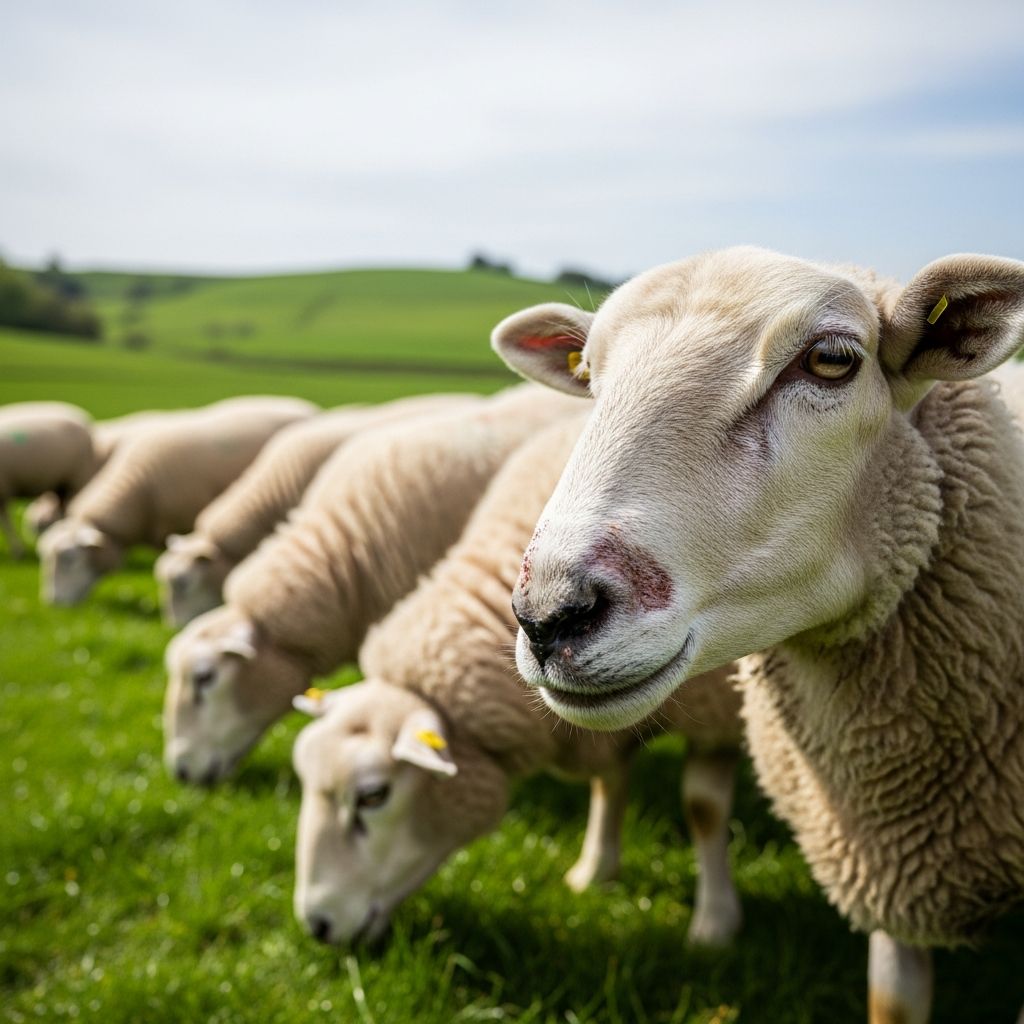
Sporidesmin toxicosis, commonly referred to as facial eczema, represents a significant agricultural and veterinary challenge affecting livestock operations worldwide. This disease emerges when grazing animals consume toxic spores produced by fungal organisms growing within pasture ecosystems. The condition triggers a cascade of physiological disruptions, primarily targeting the hepatic system and subsequently manifesting as severe photosensitivity reactions in affected animals. Understanding the biological mechanisms, recognition of clinical indicators, and implementation of preventive strategies forms the foundation of effective management within livestock enterprises.
The Fungal Origin and Environmental Conditions
The disease originates from a saprophytic fungus that colonizes decomposing plant material at the base of pasture swards. This fungus thrives under specific environmental parameters that align with late summer and early autumn weather patterns in temperate climates. Ground temperatures exceeding 12 degrees Celsius combined with elevated atmospheric moisture create ideal conditions for rapid sporulation and spore dissemination.
The toxin-producing organism preferentially establishes itself within perennial ryegrass pastures due to the substantial accumulation of dead leaf litter characteristic of these forage systems. Following warm rainfall events during the critical seasonal window, spore production accelerates dramatically, creating periods of heightened pasture toxicity. This predictable pattern enables farmers and veterinarians to anticipate and monitor high-risk periods by observing meteorological trends and, where available, conducting pasture spore count assessments.
Hepatic Dysfunction and Biochemical Alterations
When livestock consume contaminated pasture material, the ingested spores deliver their toxic payload directly into the gastrointestinal tract, where absorption occurs across the intestinal epithelium. The toxin exhibits hepatotropic properties, specifically targeting liver parenchymal cells and bile duct epithelium. This selective tissue damage impairs the organ’s capacity to process and eliminate metabolic byproducts, fundamentally altering normal physiological detoxification pathways.
One critical consequence involves the accumulation of chlorophyll metabolites—specifically phylloerythrin—within the bloodstream. Under normal hepatic function, the liver efficiently conjugates and excretes these photodynamic compounds. However, damaged hepatocytes cannot maintain this essential clearance function. The retained phylloerythrin sensitizes dermal tissues to ultraviolet radiation exposure, creating a state of profound photoreactivity in affected animals.
The initial period following toxin exposure typically spans 10 to 14 days before visible clinical manifestations emerge. During this latent phase, progressive liver parenchymal damage occurs without obvious external signs, making early detection challenging and allowing subclinical hepatic injury to develop in large proportions of exposed animals.
Clinical Presentation and Photosensitization Manifestations
The clinical disease presentation varies considerably among affected animals, ranging from severe visible pathology to completely subclinical liver damage. Research indicates that only approximately 20 percent of animals experiencing hepatic injury exhibit recognizable dermatological signs. This disparity between clinical and subclinical cases creates a significant hidden disease burden within livestock populations.
When photosensitization becomes evident, affected animals display characteristic behavioral changes, frantically seeking shelter and shade to minimize solar exposure. The unpigmented and hairless skin regions—particularly the facial area, ears, eyelids, and mucosal surfaces—develop erythematous responses within hours of sun exposure. Progressive inflammatory changes manifest as:
- Pronounced edema and swelling of affected tissue regions
- Exudation of serum from damaged dermal layers
- Progressive necrosis and desquamation of epidermis and dermis
- Secondary bacterial colonization of exposed wounds
- Severe discomfort and altered animal behavior patterns
Additionally, systemic indicators of metabolic disturbance often precede visible skin lesions. Affected animals frequently experience acute reductions in milk production—sometimes dropping as much as 50 percent within 24 hours of toxin ingestion—along with gastrointestinal disturbances and generalized malaise. These production losses extend beyond the clinical phase, as subclinically affected animals sustain depressed milk yields and reduced growth performance even without visible dermatological signs.
Differential Impact Across Livestock Species
While cattle and sheep represent the primary species affected by sporidesmin toxicosis, susceptibility varies across different animals within a herd. Young animals demonstrate particular vulnerability, with even minimal exposure potentially affecting growth trajectories and long-term production longevity. Alpacas and other camelids exhibit extreme susceptibility to the toxic effects, requiring heightened vigilance during high-risk seasonal periods.
Interestingly, horses demonstrate relative resistance to this toxicosis despite regular pasture consumption, suggesting species-specific metabolic or enzymatic differences in toxin processing or hepatic tolerance mechanisms.
Diagnostic Considerations and Prognostic Factors
Diagnosis primarily relies upon clinical observations combined with historical and epidemiological information. The temporal relationship between pasture exposure and symptom onset, combined with characteristic photosensitization in unpigmented skin regions, generally establishes presumptive diagnosis. Histopathological examination of liver tissue reveals acute hepatocellular necrosis, bile duct proliferation, and varying degrees of cirrhotic changes depending on disease stage and severity.
The timing of clinical sign recognition significantly influences prognosis. Animals identified early in the disease course and immediately removed from toxic pasture exposure may recover partially with appropriate supportive care. However, animals with advanced hepatic damage frequently develop chronic progressive wasting, potentially manifesting weeks or months after the initial toxic exposure, particularly during periods of physiological stress such as parturition.
Supportive Care and Symptomatic Management
No specific antidotal or curative therapy exists for sporidesmin toxicosis once clinical signs manifest. All interventions focus upon providing symptomatic relief and supporting the animal through the acute phase while hepatic regeneration occurs. Management of clinically affected animals encompasses several coordinated strategies:
| Management Component | Implementation Approach | Rationale |
|---|---|---|
| Light Exposure Control | Complete housing in darkness or providing deep shade structures; nighttime grazing only | Eliminates photodynamic reaction substrate, preventing photosensitization progression |
| Nutritional Modification | Reduce green forage; increase hay and dried feed components | Decreases chlorophyll intake and associated phylloerythrin production |
| Dermatological Care | Application of protective and nourishing skin preparations to affected regions | Provides barrier protection and promotes wound healing |
| Pain Management | Administration of analgesic medications and provision of water ad libitum | Reduces suffering and maintains hydration status |
| Stress Minimization | Ensure accessible feed, water, and handling procedures; avoid unnecessary disturbance | Reduces hepatic metabolic demands during recovery phase |
| Infection Prevention | Topical and systemic antimicrobial therapy as indicated | Prevents secondary bacterial infection of denuded skin areas |
Hepatic regeneration occurs gradually, though complete functional restoration may not occur in severely damaged animals. Some degree of residual hepatic fibrosis typically persists, potentially predisposing recovered animals to hepatic insufficiency during future metabolic challenges.
Prevention Through Environmental Management
Effective prevention strategies operate through multiple mechanisms, targeting fungal growth conditions and animal exposure pathways. Pasture management practices form the cornerstone of preventive approaches:
- Avoiding overgrazing: Maintains pasture height, reducing the accumulation of dead litter that serves as fungal substrate
- Rotational grazing systems: Allows decomposition cycles to progress and reduces continuous animal exposure to high-toxicity paddocks
- Pasture renovation: Eliminates established fungal populations through mechanical cultivation or targeted herbicide applications
- Spore monitoring: Regular assessment of fungal spore concentrations enables predictive identification of high-risk periods and timely management decisions
Fungicide Applications and Chemical Interventions
Benzimidazole fungicides applied to pastures reduce fungal biomass and spore production when implemented during the critical growth phase. These applications prove most effective when timed to precede anticipated spore production periods, requiring integration with meteorological monitoring and pasture assessment protocols. Chemical suppression of fungal growth may reduce pasture toxicity levels to manageable thresholds when combined with other management strategies.
Zinc-Based Prophylaxis
Zinc supplementation represents a proven prophylactic strategy, functioning through biochemical interaction with sporidesmin. The mineral forms complexes with the toxin, reducing bioavailability and hepatic accumulation. Zinc delivery methods vary in effectiveness, with sustained-release boluses providing superior compliance and consistent dosing compared to water-based or feed-incorporated supplementation.
When implemented prior to pasture exposure during high-risk seasons, zinc prophylaxis substantially reduces the incidence and severity of clinical disease. The strategy proves particularly valuable for valuable breeding animals or operations where pasture avoidance proves impractical or economically unfeasible.
Hidden Production Losses and Subclinical Disease
The most economically significant aspect of sporidesmin toxicosis may involve subclinical hepatic injury occurring in animals without visible dermatological signs. For every one animal exhibiting clinical photosensitization, approximately 10 additional animals may sustain hepatic damage with resulting production depression. Affected animals demonstrate reduced milk yields, compromised growth rates, and diminished reproductive performance that often goes unattributed to toxin exposure.
These subclinical animals recover gradually without intervention, though production deficits may persist throughout lactation or production cycle. Detection of subclinical disease requires astute observation of unexpected production changes coinciding with high-risk seasonal periods, as visible clinical signs provide no diagnostic guidance.
Long-Term Sequelae and Chronic Management
Animals surviving acute sporidesmin toxicosis may develop chronic complications months after initial exposure. Severely damaged livers demonstrate reduced regenerative capacity, predisposing animals to hepatic insufficiency during periods of metabolic stress such as late lactation, early parturition, or systemic illness. These delayed presentations may occur in animals with no recollection of previous exposure, complicating diagnostic assessment.
Frequently Asked Questions
Can facial eczema be cured?
No cure exists once clinical signs manifest. Management focuses entirely on symptomatic support and environmental modification. Prevention through zinc supplementation or fungicide application must precede toxin exposure to prove effective.
How long does recovery take?
Clinical signs may persist for weeks to months. Complete hepatic functional recovery rarely occurs; most animals retain some degree of hepatic scarring and functional compromise indefinitely.
Which animals are most susceptible?
Cattle and sheep represent primary targets, with alpacas demonstrating extreme sensitivity. Young animals and valuable breeding stock often experience more severe consequences. Horses show relative resistance.
When does facial eczema occur?
High-risk periods typically occur during late summer and early autumn when warm temperatures and humidity favor fungal growth, particularly following warm rainfall events.
References
- Facial Eczema in Animals – Toxicology — MSD Veterinary Manual. Accessed February 24, 2026. https://www.msdvetmanual.com/toxicology/mycotoxicoses/facial-eczema-in-animals
- Facial Eczema — Northland Veterinary Group. Accessed February 24, 2026. https://www.northvets.co.nz/news/facial-eczema-2/
- Understanding Facial Eczema: Causes & Costs — Seales Winslow NZ. Accessed February 24, 2026. https://sealeswinslow.co.nz/facial-eczema/the-cause-and-the-cost/
- Facial Eczema — Dairy Australia. Accessed February 24, 2026. https://www.dairyaustralia.com.au/en/animals/health-and-welfare/facial-eczema
- Facial Eczema — Department of Natural Resources and Environment, Tasmania. Accessed February 24, 2026. https://nre.tas.gov.au/biosecurity-tasmania/animal-biosecurity/animal-health/cattle/facial-eczema
- Facial Eczema — Cambridge Vets. Accessed February 24, 2026. https://www.cambridgevets.co.nz/facial-eczema/
- Facial Eczema — Stock Sense Factsheets, Veterinary Federation of Australia. Accessed February 24, 2026. https://www.vff.org.au/stock-sense/resources-factsheets/facial-eczema/
- Facial Eczema and Alpacas — Vet Services Hawke’s Bay. Accessed February 24, 2026. https://www.vshb.co.nz/articles/lifestyle/facial-eczema-and-alpacas/
Similar Articles








Read full bio of medha deb


