

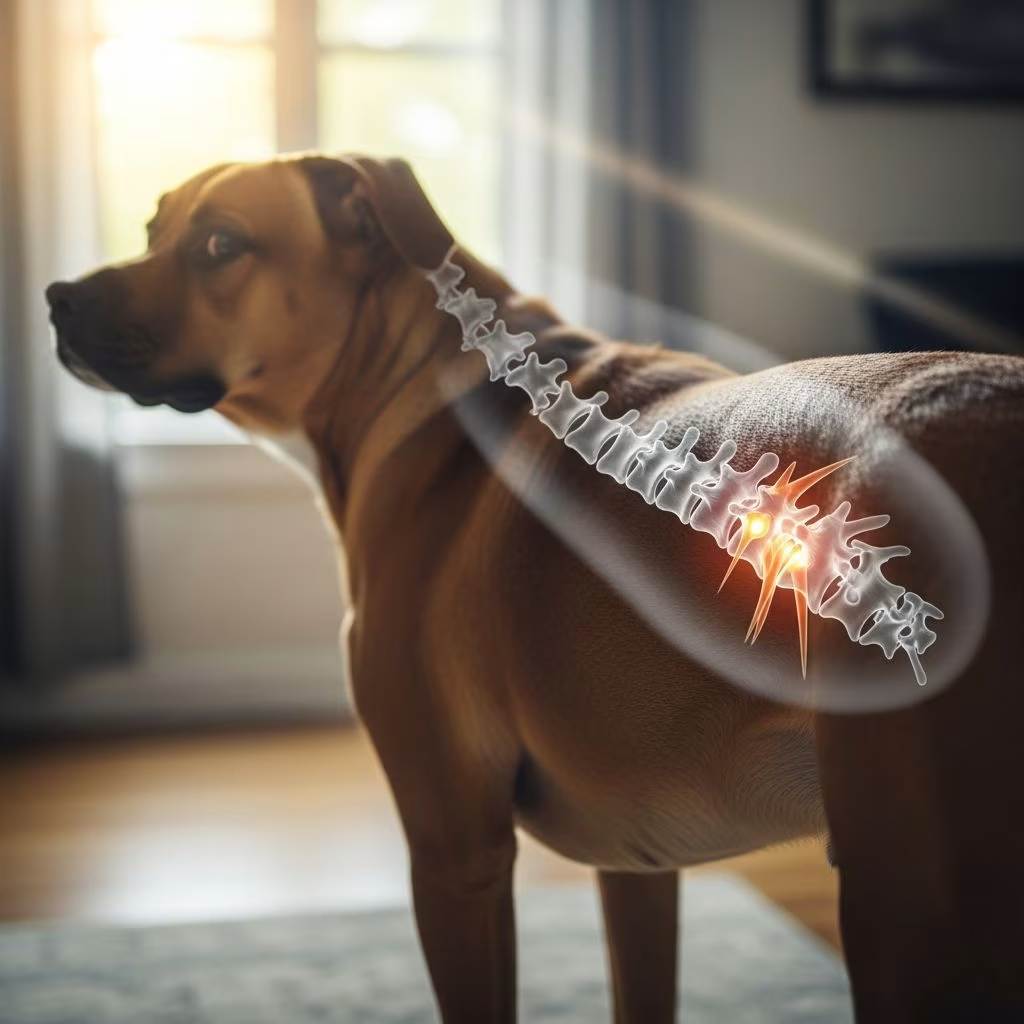
Spondylosis in dogs is a degenerative spinal condition characterized by abnormal bone growths on the vertebrae, often seen in aging pets. While many dogs remain asymptomatic, recognizing early signs enables proactive management to maintain mobility and comfort.
Understanding the Spinal Changes in Canine Spondylosis
This condition involves the formation of bony projections, known as osteophytes or bone spurs, at the edges of spinal vertebrae. These growths bridge adjacent vertebrae, aiming to stabilize the spine but potentially restricting movement or compressing nerves. It primarily affects the thoracic and lumbar regions, with prevalence rising to 75% in dogs over nine years old, particularly in medium to large breeds.
Risk Factors Behind Spinal Degeneration
- Aging Processes: Natural wear on spinal ligaments and discs leads to instability, prompting bone spur development as the body compensates.
- Genetic Predispositions: Breeds like German Shepherds and Boxers show higher susceptibility due to inherited spinal vulnerabilities.
- Prior Injuries: Trauma or intervertebral disc disease destabilizes joints, accelerating spur formation.
- Excess Weight: Obesity amplifies spinal stress, hastening degeneration.
These elements interact, making older, larger dogs prime candidates, though younger ones with genetic traits or injury histories may develop it earlier.
Recognizing Early Indicators of Discomfort
Dogs with spondylosis may exhibit subtle behavioral shifts before overt physical signs appear. Key observations include reluctance to engage in play, hesitation when climbing stairs, or prolonged resting periods.
Physical Manifestations
| Symptom | Description | Common Locations |
|---|---|---|
| Stiffness | Rigid gait, especially after rest; difficulty rising | Lower back, hips |
| Pain Responses | Whining on touch, arched back, or yelping during movement | Spine along affected vertebrae |
| Mobility Loss | Limping, knuckling, or dragging hind legs | Rear limbs |
| Posture Changes | Hunched spine or tense musculature | Thoracic/lumbar areas |
These signs can mimic arthritis or disc issues, underscoring the need for veterinary imaging like X-rays to confirm bony bridges.
Diagnostic Approaches for Accurate Assessment
Veterinarians start with a physical exam, noting gait abnormalities and pain points. Radiographs reveal characteristic spurs, while advanced imaging such as CT or MRI differentiates from tumors or infections. Bloodwork rules out inflammatory diseases, ensuring targeted care.
Comprehensive Management Strategies
Since spondylosis is non-curable, focus shifts to symptom control and life quality enhancement. Most cases respond to conservative measures.
Pharmacological Relief Options
- NSAIDs: Reduce inflammation and pain; veterinary-specific to avoid toxicity.
- Neuropathic Agents: Gabapentin targets nerve-related discomfort.
- Corticosteroids: Short-term use for acute flares due to side effect risks.
Rehabilitation and Exercise Protocols
Physical therapy builds core strength and flexibility. Hydrotherapy provides buoyancy-supported movement, ideal for overweight or stiff dogs. Laser therapy and acupuncture offer non-invasive inflammation reduction. Structured walks prevent atrophy without overstrain.
Nutritional and Lifestyle Modifications
A weight-optimized diet with omega-3s, glucosamine, and chondroitin supports joint health and curbs inflammation. Home adaptations like ramps, orthopedic beds, and non-slip floors minimize jumping and slipping risks. Moderate swimming excels as low-impact cardio.
Advanced and Surgical Interventions
Surgery is reserved for severe nerve compression causing paralysis or unrelenting pain, involving spur removal or stabilization. Success varies, with most dogs faring well conservatively. Emerging stem cell therapies show promise in tissue regeneration and mobility gains, though still experimental.
Daily Care Routines for Affected Pets
Owners play a pivotal role: monitor weight weekly, enforce rest after activity, and track symptom progression in a journal. Regular vet check-ups adjust plans, preventing flare-ups. Environmental enrichments like puzzle feeders keep mentally active without physical demand.
Prognosis and Long-Term Outlook
With diligent management, many dogs enjoy years of active life post-diagnosis. Pain-free cases require no intervention, while symptomatic ones often stabilize. Early detection via routine senior wellness exams is crucial.
Frequently Asked Questions
Is spondylosis painful for all dogs?
No, many remain asymptomatic; treatment targets clinical signs only.
Can diet alone manage spondylosis?
Diet aids but combines best with exercise and meds for comprehensive relief.
How does spondylosis differ from arthritis?
Spondylosis features vertebral spurs; arthritis inflames joints broadly.
At what age should I screen for it?
Start X-rays around 7-9 years, especially in at-risk breeds.
Is surgery always needed for severe cases?
Rarely; conservative options suffice for most.
Preventive Measures for Spinal Health
Maintain ideal weight from puppyhood, avoid high-impact activities in seniors, and schedule annual exams. Genetic screening in predisposed breeds informs breeding choices. Supplements proactively bolster cartilage integrity.
References
- Spondylosis in Dogs: Symptoms, Treatment, & More — VHA Vets. 2023. https://vhavets.com/blog/spondylosis-in-dogs/
- Spondylosis Deformans in Dogs — VCA Animal Hospitals. 2024. https://vcahospitals.com/know-your-pet/spondylosis-deformans-in-dogs
- Spondylosis in Dogs: Essential Tips for Care & Relief — Stem Cell Vet. 2024. https://www.stemcellvet.co.uk/spondylosis-in-dogs/
- Spondylosis In Dogs: Symptoms And Treatment Options — Kingsdale Animal Hospital. 2023. https://www.kingsdale.com/spondylosis-in-dogs-symptoms-and-treatment-options
- Spondylosis in Dogs: Symptoms, Treatment, Causes — ToeGrips. 2024. https://toegrips.com/spondylosis-in-dogs/
- Spondylosis Deformans in Dogs — PetMD. 2024. https://www.petmd.com/dog/conditions/musculoskeletal/spondylosis-deformans-dogs



