

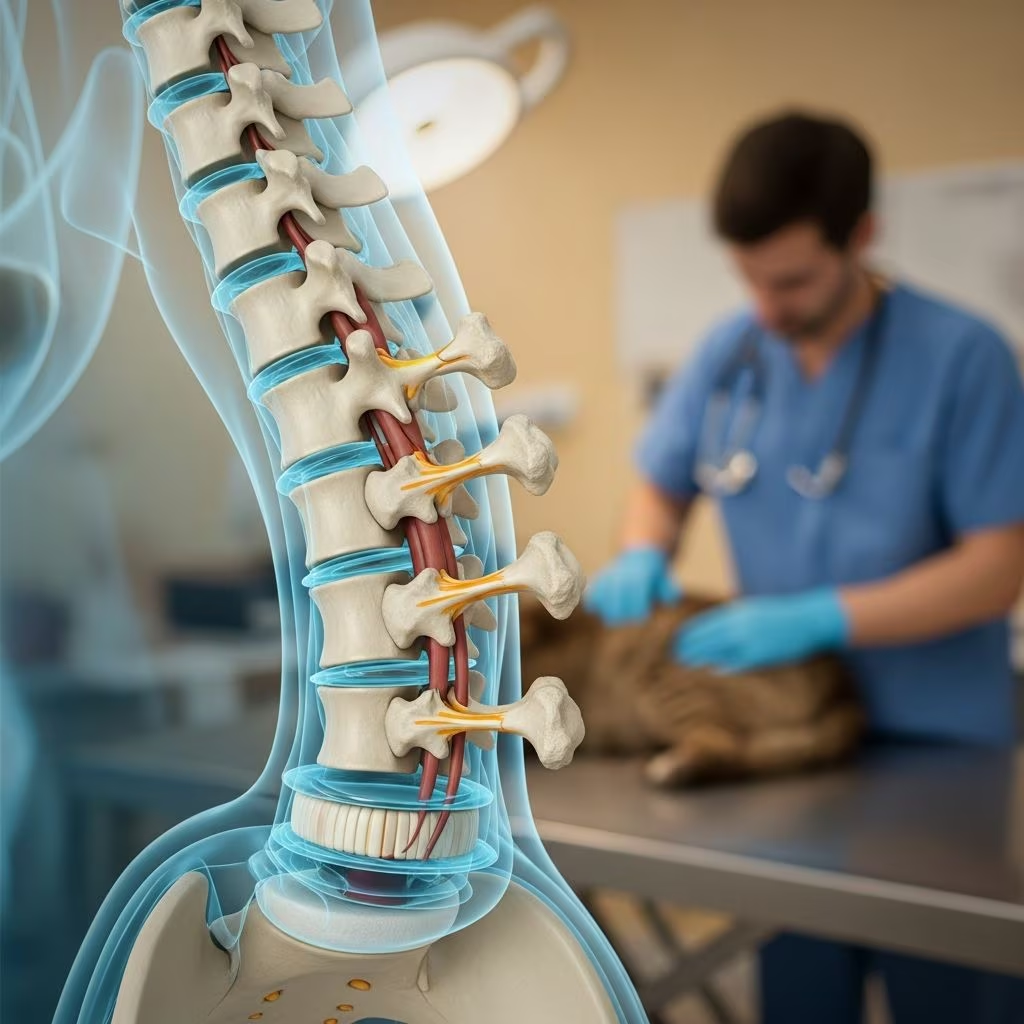
Spondylosis deformans is a degenerative spinal condition prevalent in older dogs and cats, characterized by the growth of bony projections along the vertebrae. These osteophytes form as the body attempts to stabilize weakened spinal joints due to disc degeneration, often without causing noticeable issues but sometimes leading to discomfort or mobility challenges.
Understanding the Spinal Changes in Aging Pets
The spine consists of vertebrae separated by intervertebral discs that cushion movement and absorb shocks. In pets, particularly as they age, these discs lose hydration and elasticity, prompting the formation of bone spurs at the vertebral edges. This process, known as spondylosis deformans, differs from inflammatory conditions like spondylitis and is not linked to infection or autoimmune responses.
Commonly affected areas include the thoracic-lumbar junction, lower lumbar region, and lumbosacral area near the pelvis. In severe instances, spurs can bridge vertebrae, fusing them and limiting flexibility. While humans experience similar degeneration in cervical or lumbar regions, in pets it predominantly impacts the mid-to-lower back.
Primary Causes Behind Bone Spur Development
Aging stands as the foremost factor, with disc dehydration starting around middle age in pets, mirroring human patterns where disks shrink by age 40. Repetitive microtrauma from daily activities, such as jumping or running, accelerates wear, alongside potential genetic predispositions. Major injuries can also initiate instability, triggering spur growth to reinforce joints.
Unlike acute trauma, this is a gradual process where the annulus fibrosus—the disc’s outer layer—weakens, leading to osteophyte formation. Environmental factors like obesity or high-impact lifestyles in working dogs may exacerbate risks, though no single trigger dominates.
Recognizing Subtle and Severe Symptoms
Many pets with spondylosis deformans show no outward signs, with the condition discovered incidentally on X-rays. When symptomatic, pets exhibit spinal stiffness, reduced flexibility, and reluctance to perform normal activities like jumping or climbing stairs.
- Stiffness or arched back during movement.
- Pain responses such as whining when touched along the spine.
- Limping, difficulty rising, or hesitation to exercise.
- In advanced cases, nerve compression causing lameness or weakness.
Rarely, large spurs impinge on spinal nerves or the cord, resulting in radiculopathy (nerve root pain) or myelopathy (cord compression), with symptoms like leg dragging or incontinence. These mirror human cervical spondylosis effects, including numbness or coordination loss.
Diagnostic Approaches for Accurate Identification
Veterinarians diagnose via history, physical exams, and imaging. X-rays reveal characteristic osteophytes, though they cannot distinguish degenerative from inflammatory spurs, sometimes necessitating further tests like CT or MRI.
Physical assessments check gait, spinal palpation for pain, and range of motion. Incidental findings occur during checks for unrelated issues, emphasizing routine senior pet screenings. Differential diagnoses include disk herniation, arthritis, or tumors, requiring comprehensive evaluation.
Management Strategies Without Surgery
Treatment prioritizes pain relief and mobility support, as most cases respond well conservatively. Weight management reduces spinal load, while controlled exercise maintains muscle tone without excess strain.
| Management Option | Description | Benefits |
|---|---|---|
| NSAIDs | Anti-inflammatory medications like carprofen | Reduces pain and inflammation |
| Physical Therapy | Swimming, gentle stretching | Improves strength and flexibility |
| Supplements | Glucosamine, chondroitin, omega-3s | Supports joint health |
| Acupuncture/Laser | Alternative therapies | Enhances circulation and pain relief |
Severe nerve involvement may warrant steroids or muscle relaxants short-term. Environmental modifications, such as ramps and orthopedic beds, aid daily comfort.
Preventive Measures for Long-Term Spinal Health
Early intervention preserves function. Maintain ideal weight through balanced diets, avoiding obesity-related stress. Low-impact exercises like walking or hydrotherapy build resilience without overload. Regular veterinary check-ups catch changes early via imaging.
Breed awareness matters—large breeds like German Shepherds face higher risks due to conformation and activity levels. Nutritional support with joint formulas from middle age onward bolsters disc integrity.
Prognosis and Quality of Life Considerations
With management, most pets enjoy active lives despite spondylosis. Progression is slow, and many remain asymptomatic lifelong. Monitoring prevents complications like secondary arthritis or disk disease. Owners report improved vitality post-treatment, underscoring proactive care’s value.
In rare surgical cases, fusion stabilizes severe instability, but it’s uncommon. Holistic monitoring ensures tailored adjustments as pets age.
Common Myths and Facts
- Myth: Spondylosis is always painful. Fact: Often asymptomatic.
- Myth: It’s curable. Fact: Managed, not reversed.
- Myth: Only large dogs affected. Fact: Common across sizes, age-related.
Frequently Asked Questions
What breeds are most prone to spondylosis deformans?
Large and giant breeds like Boxers, German Shepherds, and Great Danes, due to spinal stress, but small breeds can develop it too.
Can young pets get spondylosis?
Rarely; it’s primarily age-related, though trauma might mimic early signs.
Is surgery ever needed?
Infrequently; only for profound nerve compression unresponsive to meds and therapy.
How does it differ from IVDD?
IVDD involves disc herniation; spondylosis is bony overgrowth without inflammation.
Can diet prevent it?
Not fully, but joint-supportive nutrition aids disc health and reduces progression.
Advanced Insights for Pet Owners
Research highlights genetic markers in predisposed breeds, with ongoing studies on stem cell therapies for disc regeneration. Multimodal approaches combining pharma, rehab, and lifestyle yield best outcomes. Collaborate with vets for personalized plans, tracking via mobility scores.
For cats, less documented but similar presentations occur, often missed due to agility masking stiffness. Senior wellness integrates spinal checks routinely.
References
- Spondylosis deformans – Wikipedia — Wikipedia. 2023. https://en.wikipedia.org/wiki/Spondylosis_deformans
- Spondylosis Deformans in Dogs – VCA Animal Hospitals — VCA Hospitals. 2023. https://vcahospitals.com/know-your-pet/spondylosis-deformans-in-dogs
- Cervical spondylosis – Symptoms & causes – Mayo Clinic — Mayo Clinic. 2023-08-27. https://www.mayoclinic.org/diseases-conditions/cervical-spondylosis/symptoms-causes/syc-20370787
- Lumbar Spondylosis (Degeneration) — McGovern Medical School, UTHealth. 2023. https://med.uth.edu/neurosciences/conditions-and-treatments/spine-disorders-and-back-pain/lumbar-spondylosis-degeneration/
- What Is Spondylosis? Causes, Symptoms, Treatment & Surgery — eMedicineHealth. 2023. https://www.emedicinehealth.com/spondylosis/article_em.htm
- Spondylosis – Physiopedia — Physiopedia. 2023. https://www.physio-pedia.com/Spondylosis



