

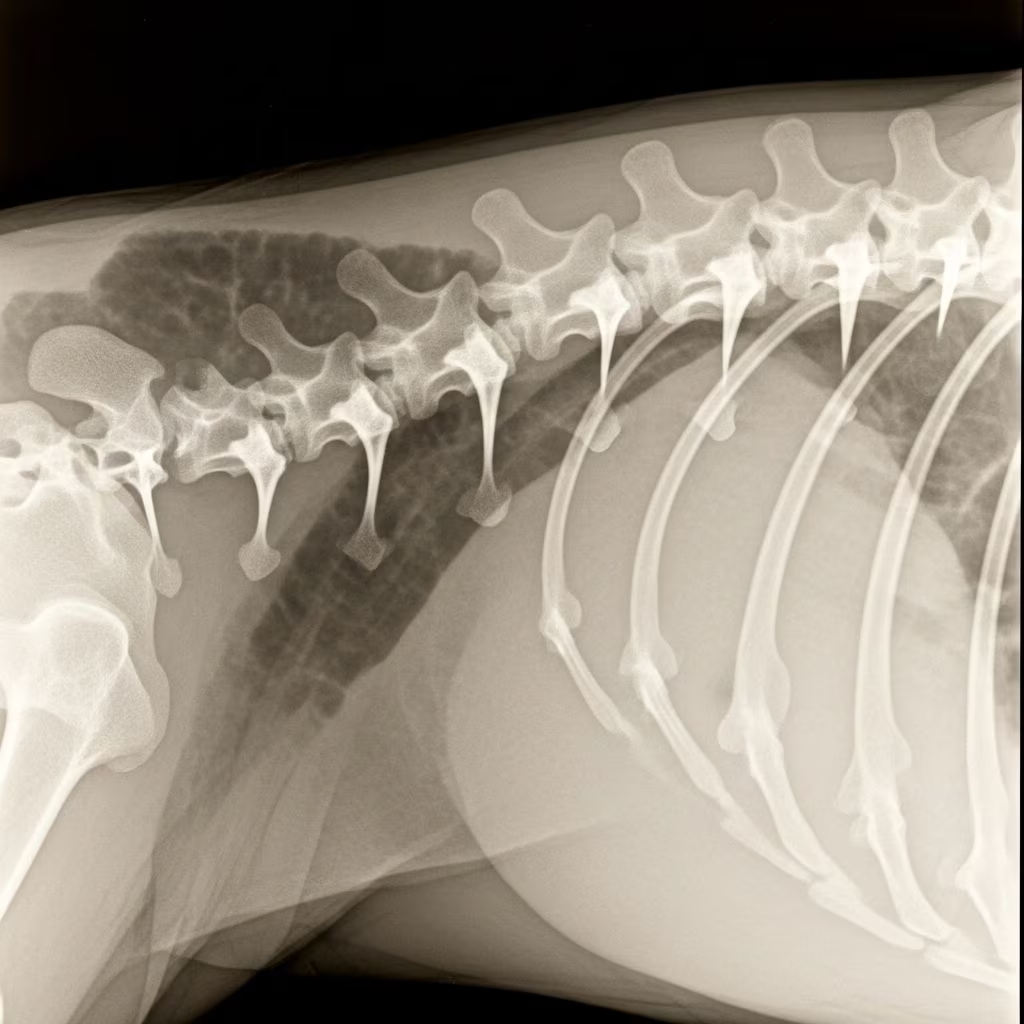
Understanding Spondylosis Deformans in Dogs
Spondylosis deformans is a degenerative condition affecting the spine of dogs, characterized by the formation of bone spurs, also known as osteophytes, along the vertebral bodies. This condition is part of the natural aging process and is commonly observed in older dogs. While the name may sound concerning, it’s important to understand that most dogs with spondylosis deformans live normal, comfortable lives without experiencing pain or significant mobility issues. The condition develops gradually over time as the body attempts to stabilize the spine through the formation of these bony growths.
The vertebral column in dogs is composed of individual bones called vertebrae, separated by intervertebral discs that provide cushioning and flexibility. As dogs age, these discs may lose water content and become less effective at absorbing shock. In response, the body often develops bony bridges or spurs along the sides of the vertebrae. This is essentially a degenerative process where the spine becomes less flexible but often more stable. Understanding this fundamental mechanism helps pet owners recognize that spondylosis deformans is not necessarily a disease requiring aggressive intervention, but rather a condition that may require management depending on the individual dog’s symptoms.
What Causes Spondylosis Deformans?
Spondylosis deformans develops primarily due to age-related changes in the spine. As dogs mature and enter their senior years, the intervertebral discs gradually degenerate, losing their structural integrity and water content. This degeneration causes increased movement and instability between vertebrae, which triggers the body’s natural response to stabilize the spine by forming bone spurs.
Several factors can increase the likelihood and severity of spondylosis development. Larger dog breeds are particularly susceptible to this condition, likely due to the increased stress placed on their spinal structures by their body weight. Dogs that have experienced previous spinal injuries or trauma may develop spondylosis more rapidly in affected areas. Chronic inflammation, particularly from other joint conditions like arthritis, can accelerate the degenerative process. Additionally, poor weight management and obesity place excessive stress on the vertebral column, potentially worsening the condition over time.
Recognizing the Symptoms of Spondylosis Deformans
One of the most important facts about spondylosis deformans is that most dogs with this condition show no symptoms whatsoever. These asymptomatic dogs can continue their normal activities without any apparent discomfort or functional impairment. However, in cases where bone spurs restrict spinal movement or put pressure on nerve roots, dogs may experience various clinical signs.
When spondylosis deformans does cause symptoms, pet owners may notice the following signs:
- Stiffness and reduced flexibility in the spine, particularly noticeable after rest or upon waking
- Lameness or limping, especially in the hind limbs
- Difficulty rising from a lying or sitting position
- Reluctance to jump, climb stairs, or engage in activities requiring spinal movement
- Pain or sensitivity when touched along the back or affected spinal areas
- Vocalization such as whining or crying when the back is manipulated
- A hunched or abnormal posture
- Decreased appetite and lethargy
- Loss of muscle mass over affected areas
The severity and presence of symptoms typically correlate with the size of the bone spurs, the location of lesions, and the age of the dog. Larger dogs and older dogs are more prone to developing symptomatic spondylosis. If you notice any of these signs in your dog, it’s essential to have them evaluated by a veterinarian to determine the underlying cause and develop an appropriate management plan.
How Is Spondylosis Deformans Diagnosed?
Diagnosis of spondylosis deformans begins with a comprehensive physical examination by a veterinarian. During this examination, your vet will assess your dog’s spinal range of motion, look for signs of pain or sensitivity, and evaluate muscle mass and overall mobility. They will discuss your dog’s medical history, any previous injuries, and the symptoms you’ve observed.
Imaging studies are crucial for confirming the diagnosis and assessing the extent of the condition. X-rays are the primary diagnostic tool and will reveal the characteristic bone spurs associated with spondylosis deformans. These osteophytes typically appear as bony projections along the vertebral bodies on radiographic images. In some cases, advanced imaging such as CT scans or MRI may be recommended, particularly if spinal cord compression is suspected or if surgical intervention is being considered. These advanced imaging techniques provide more detailed visualization of the spinal structures and can help determine whether bone spurs are affecting nerve roots or compressing the spinal cord.
Treatment Approaches for Spondylosis Deformans
The approach to treating spondylosis deformans depends entirely on whether your dog is experiencing symptoms. This fundamental principle guides all treatment decisions and helps prevent unnecessary interventions in asymptomatic dogs.
Management of Asymptomatic Dogs
If your dog has been diagnosed with spondylosis deformans but shows no clinical signs of pain, stiffness, or mobility issues, no treatment is necessary. Your veterinarian may recommend periodic monitoring to ensure the condition doesn’t progress and begin causing symptoms. Regular check-ups allow your vet to catch any changes early. Many asymptomatic dogs live their entire lives with spondylosis deformans without ever requiring intervention, continuing to enjoy normal activities and quality of life.
Pain Management with Medications
When spondylosis deformans causes pain or discomfort, pain management becomes the primary focus of treatment. Non-steroidal anti-inflammatory drugs, commonly called NSAIDs, are the first-line pharmacological approach. These medications work by reducing inflammation and alleviating pain, helping dogs regain mobility and comfort.
Common NSAIDs prescribed for canine spondylosis include carprofen (Rimadyl) and meloxicam (Metacam). Carprofen is typically administered at 2-4 mg per pound of body weight daily, usually divided into two doses. Meloxicam offers the convenience of once-daily dosing and comes in a liquid formulation that can be added to food. Both medications effectively reduce inflammation and provide pain relief, often resulting in noticeable improvement within days of starting treatment.
While NSAIDs are generally well-tolerated, they do carry potential side effects, particularly with long-term use. Gastrointestinal issues such as vomiting, diarrhea, and decreased appetite can occur in some dogs. More seriously, NSAIDs may affect liver and kidney function in some patients. For this reason, your veterinarian will likely recommend baseline blood tests before starting NSAID therapy and periodic monitoring during treatment to ensure your dog’s organs are tolerating the medication well.
In cases where NSAIDs alone are insufficient, particularly in larger dogs with severe pain, additional medications may be prescribed. Tramadol, an opioid pain reliever, can provide additional pain control when combined with NSAIDs. Gabapentin, an adjunctive medication that helps manage nerve-related pain, may also be recommended. These medications work through different mechanisms, allowing for multimodal pain management that can be more effective than any single drug alone.
Physical Therapy and Rehabilitation
Physical therapy plays a crucial role in managing symptomatic spondylosis deformans. Therapeutic exercises help maintain muscle strength and flexibility, which are vital for supporting the spine and reducing stress on affected vertebrae. A veterinary rehabilitation specialist can design a customized exercise program for your dog, tailored to their specific condition and limitations.
Hydrotherapy, which involves swimming or walking in water, provides excellent low-impact exercise that reduces stress on the spine while maintaining muscle tone. The buoyancy of water supports the dog’s body weight, allowing for movement with minimal strain on affected areas. Many dogs benefit significantly from regular hydrotherapy sessions as part of their treatment plan.
Other therapeutic modalities that may be beneficial include acupuncture, laser therapy, and therapeutic massage. These treatments can help reduce pain, improve circulation, and enhance overall mobility. Your veterinarian can recommend which therapies might be most suitable for your dog’s specific situation.
Weight Management and Exercise Modification
Maintaining a healthy weight is crucial for dogs with spondylosis deformans. Extra weight places additional stress on the spine, exacerbating pain and potentially accelerating degeneration. If your dog is overweight, your veterinarian can recommend a weight loss program that includes dietary adjustments and appropriate exercise modifications.
Controlled exercise is essential for managing spondylosis. Regular, gentle activity helps maintain muscle tone and mobility, but excessive or high-impact exercise can worsen symptoms. Your vet can help you develop an exercise routine that keeps your dog active without causing pain. Typically, multiple short walks throughout the day are better tolerated than one long walk.
Environmental and Lifestyle Modifications
Simple modifications to your home environment can significantly improve quality of life for dogs with symptomatic spondylosis. Installing ramps for accessing vehicles or climbing onto furniture reduces the strain of jumping. Orthopedic beds that provide proper support can alleviate pressure on the spine and improve comfort during rest. Non-slip flooring prevents falls that could exacerbate pain, and keeping food and water bowls at appropriate heights reduces the need for excessive bending.
Surgical Intervention
Surgery is rarely necessary for spondylosis deformans and is reserved for exceptional cases. Surgical removal of bone spurs may be indicated when they are causing severe compression of the spinal cord or nerve roots, resulting in significant neurological problems or intractable pain that doesn’t respond to conservative treatment. Your veterinarian will thoroughly discuss the risks and benefits of surgery if this option is being considered for your dog.
Supporting Treatment with Supplements and Nutraceuticals
Joint supplements and nutraceuticals may provide additional benefit for dogs with spondylosis deformans. Glucosamine and polysulfated glycosaminoglycans (Adequan) are compounds that support cartilage health and may help improve joint function and reduce pain. While the scientific evidence for these products continues to develop, many dogs and their owners report perceived improvements in comfort and mobility when these supplements are incorporated into their management plan.
Frequently Asked Questions About Spondylosis Deformans
Q: Will my dog’s spondylosis deformans get worse over time?
A: Spondylosis deformans is a degenerative condition, so the bone spurs may continue to develop over time. However, progression varies significantly between individual dogs. Many dogs experience little to no progression in symptoms, while others may gradually develop increasing stiffness. Regular veterinary monitoring helps track any changes.
Q: Can spondylosis deformans be prevented?
A: While you cannot completely prevent spondylosis deformans, which is part of the natural aging process, you can minimize risk factors. Maintaining a healthy weight, providing appropriate exercise, preventing spinal injuries, and addressing other joint conditions promptly may help slow development of the condition.
Q: Is spondylosis deformans the same as arthritis?
A: While both are degenerative conditions affecting older dogs, spondylosis deformans specifically affects the spine, whereas arthritis typically refers to joint disease elsewhere in the body. However, a dog can have both conditions simultaneously.
Q: How often should my dog be examined if they have spondylosis deformans?
A: Asymptomatic dogs can typically be evaluated during routine annual or semi-annual wellness exams. Dogs showing symptoms may need more frequent monitoring to assess treatment effectiveness and adjust the management plan as needed.
Q: Can my dog live a normal life with spondylosis deformans?
A: Absolutely. Most dogs with spondylosis deformans, particularly those without symptoms, can live completely normal lives with no special restrictions. Even symptomatic dogs can maintain a good quality of life with appropriate management and treatment.
Conclusion
Spondylosis deformans is a common spinal condition in aging dogs that requires a thoughtful, individualized approach to management. The most important principle is recognizing that this condition does not automatically require treatment—many dogs with spondylosis deformans live comfortably without any intervention. For dogs experiencing symptoms, a combination of pain management, physical therapy, lifestyle modifications, and environmental adjustments can effectively maintain comfort and mobility. Regular communication with your veterinarian ensures that your dog’s treatment plan evolves as their condition changes, allowing your pet to enjoy the best possible quality of life throughout their senior years.
References
- Spondylosis Deformans in Dogs — VCA Animal Hospitals. 2025. https://vcahospitals.com/know-your-pet/spondylosis-deformans-in-dogs
- Spondylosis Deformans in Dogs and Cats — Embrace Pet Insurance. 2025. https://www.embracepetinsurance.com/health/spondylosis-deformans
- Spondylosis Deformans in Dogs — PetMD. 2025. https://www.petmd.com/dog/conditions/musculoskeletal/spondylosis-deformans-dogs
- Spondylosis in Dogs: 7 Proven Medications for Pain Relief — The Pet Vet. 2025. https://thepetvet.com/spondylosis-in-dogs/
- Spondylosis in Dogs: Essential Tips for Care & Relief — Stem Cell Vet. 2025. https://www.stemcellvet.co.uk/spondylosis-in-dogs/



