

Understanding Spondylosis Deformans in Dogs
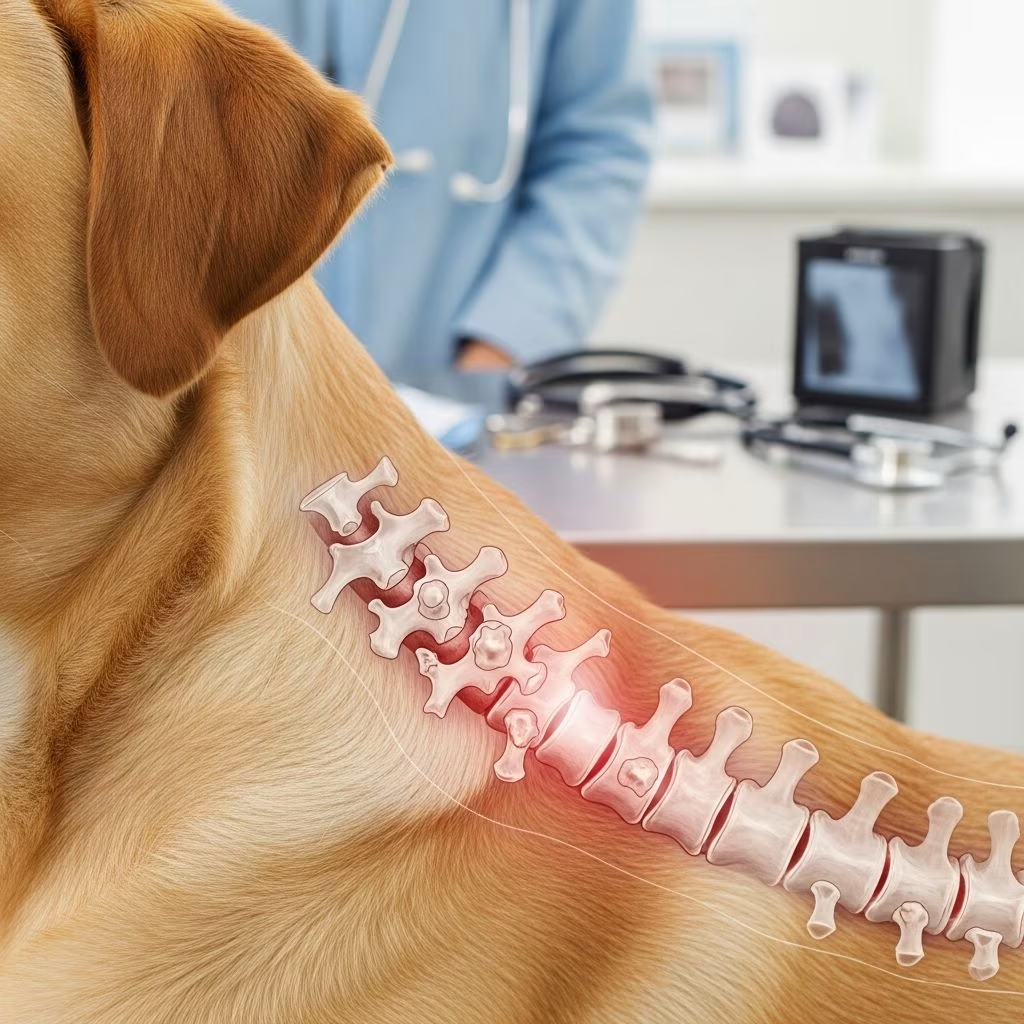
Spondylosis deformans is a degenerative spinal condition that affects many dogs, particularly as they age. This orthopedic condition involves the formation of bone spurs, or osteophytes, along the vertebral bodies of the spine. While the name may sound alarming to pet owners, it’s important to understand that most dogs with this condition experience minimal to no symptoms and can maintain excellent quality of life with appropriate management and care.
The condition is characterized by the development of bony projections that form along the spine, typically as a response to wear and tear or age-related changes. Understanding this condition is crucial for dog owners to provide the best possible care for their canine companions and recognize when veterinary intervention may be necessary.
What Causes Spondylosis Deformans?
Spondylosis deformans develops primarily due to degenerative changes in the vertebral discs and joints of the spine. As dogs age, the intervertebral discs lose their elasticity and hydration, leading to structural changes in the spine. In response to this degeneration, the body attempts to stabilize the affected areas by forming bone spurs along the vertebral bodies.
Several factors may contribute to the development of this condition:
– Advancing age and natural wear on the spine- Previous spinal injuries or trauma- Genetic predisposition in certain breeds- Poor posture or abnormal spinal alignment- Obesity, which increases stress on the vertebral discs- High-impact activities that place excessive strain on the spine
Recognizing the Symptoms of Spondylosis Deformans
One of the most reassuring aspects of spondylosis deformans is that most dogs with this condition remain completely asymptomatic. In fact, many dogs with radiographic evidence of bone spurs show no clinical signs whatsoever and live normal, active lives without intervention.
However, when symptoms do occur, they typically correlate with larger bone spurs, larger lesions, and older age. These clinical signs may include:
– Stiffness or reduced flexibility in the spine- Lameness or limping, particularly in the hindquarters- Reluctance to jump, climb stairs, or engage in activities that involve spinal movement- Difficulty rising from a lying or sitting position- Pain or discomfort when touched along affected areas of the back- Whining, crying, or flinching when the affected area is manipulated- Hunched back posture or abnormal gait- Loss of muscle mass over the affected spinal region- Decreased appetite or lethargy in more severe cases- Reluctance to walk or exercise
In rare cases where bone spurs grow near nerve roots as they exit the spinal canal, the dog may experience pain or neurological symptoms due to nerve compression. These cases require more immediate veterinary attention.
How Is Spondylosis Deformans Diagnosed?
Diagnosis of spondylosis deformans typically begins with a thorough physical examination by a veterinarian. During the examination, your vet will assess your dog’s range of motion, palpate the spine for signs of pain or irregularities, and evaluate overall mobility and gait.
Radiographic imaging (X-rays) is the primary diagnostic tool used to confirm spondylosis deformans. X-rays clearly show the bone spurs and osteophytes characteristic of this condition. In some cases, additional imaging studies such as CT scans or MRI may be recommended, particularly if neurological symptoms are present or if the veterinarian suspects spinal cord compression.
It’s important to note that the presence of bone spurs on radiographs does not necessarily indicate that a dog will experience symptoms. Many dogs have radiographic evidence of spondylosis without any clinical manifestations of the disease.
Treatment Options for Spondylosis Deformans
The approach to treating spondylosis deformans depends entirely on whether your dog is experiencing symptoms and the severity of those symptoms. Treatment recommendations are individualized based on each dog’s specific situation.
Conservative Management for Asymptomatic Dogs
For dogs with spondylosis deformans who show no clinical signs, no specific treatment is necessary. These dogs should be monitored periodically through veterinary check-ups, and owners should be aware of potential symptoms that might develop in the future. Maintaining a healthy weight, providing appropriate exercise, and ensuring proper nutrition can help support spinal health and potentially slow the progression of degenerative changes.
Pain Management and Medication
When dogs do experience pain or discomfort, several medication options are available to provide relief and improve quality of life.
Non-Steroidal Anti-Inflammatory Drugs (NSAIDs) are the first-line treatment for managing pain associated with spondylosis deformans. These medications work by reducing inflammation and inhibiting pain-producing substances. Common NSAIDs prescribed for dogs include carprofen (Rimadyl) and meloxicam (Metacam). Carprofen is typically administered at 2-4 mg per pound of body weight daily, divided into two doses, while meloxicam offers the convenience of once-daily dosing in a palatable liquid formulation.
Benefits of NSAIDs include effective pain relief and anti-inflammatory properties, often resulting in noticeable improvement in mobility within days of starting treatment. However, regular monitoring through blood tests is recommended during long-term use to ensure the dog’s liver and kidneys are tolerating the medication well.
Additional Pain Medications may be prescribed in cases where NSAIDs alone are insufficient. These may include:
– Tramadol, an opioid pain reliever often used for moderate to severe pain- Gabapentin, a neuropathic pain medication that can be particularly helpful when nerve compression is involved- Amantadine, an N-methyl-D-aspartate (NMDA) receptor antagonist that may provide additional pain relief- Grapiprant, a newer pain medication that works through different mechanisms than NSAIDs
Corticosteroids may be prescribed in some cases for their potent anti-inflammatory effects, though they are generally used for short-term relief due to potential side effects associated with long-term use.
Joint Supplements and Nutraceuticals
All affected dogs may benefit from the use of joint supplements such as glucosamine and chondroitin sulfate. Additionally, polysulfated glycosaminoglycans (such as Adequan) are products that appear to be helpful for cartilage health between joints and may improve function while decreasing pain and inflammation.
Physical Therapy and Rehabilitation
Physical therapy plays a crucial role in managing spondylosis deformans and maintaining quality of life. Therapeutic approaches may include:
– Targeted exercises that maintain muscle strength and flexibility while supporting the spine- Hydrotherapy or swimming, which provides excellent low-impact exercise that reduces stress on joints while maintaining muscle tone- Massage and other rehabilitative techniques- Controlled exercise programs tailored to your dog’s specific needs and limitations
Weight Management
Maintaining a healthy weight is essential for dogs with spondylosis deformans. Extra weight increases stress on the vertebral discs and can accelerate spinal degeneration. A weight loss regimen, if your dog is overweight, can significantly reduce the amount of stress placed on the spine and may improve comfort and mobility.
Environmental Modifications
Simple environmental changes can greatly improve comfort for dogs with spondylosis:
– Installing ramps for entering cars or climbing onto furniture- Providing orthopedic beds that offer proper spinal support- Using non-slip flooring to prevent falls that could exacerbate pain- Ensuring easy access to food, water, and sleeping areas
Surgical Intervention
In rare cases where bone spurs are causing severe pain or significant neurological issues such as spinal cord compression, surgery may be indicated. Surgical removal of osteophytes can relieve pressure on the spinal cord and nerve roots. However, surgery is typically reserved for cases where conservative management has been unsuccessful and the dog’s quality of life is significantly compromised. Your veterinarian will discuss whether surgical options might be appropriate for your dog’s specific situation.
Multimodal Pain Management Approach
The most effective pain management strategies typically combine different medications and approaches that work through various mechanisms. For instance, an NSAID might be paired with gabapentin and a joint supplement for comprehensive pain control. Your veterinarian will help develop a customized treatment plan that addresses your individual dog’s needs.
Regular monitoring is essential to ensure medications aren’t affecting your dog’s organ function. Periodic blood tests help identify any adverse effects early, and your veterinarian will help you recognize signs that your dog’s pain management might need adjustment, such as decreased activity, difficulty rising, or reluctance to engage in favorite activities.
Emerging Treatment Options
Stem cell therapy is emerging as a potential experimental treatment option for spondylosis in dogs, focusing on using stem cells to repair and regenerate damaged tissues. While still in research stages, this innovative approach may eventually offer new possibilities for managing degenerative spinal conditions, potentially slowing progression and improving mobility.
Prognosis and Long-Term Management
The prognosis for dogs with spondylosis deformans is generally very good, particularly for asymptomatic dogs. With appropriate management, most dogs with this condition maintain excellent quality of life and normal longevity. Even dogs that develop symptoms can often be managed effectively with the combination of medications, physical therapy, weight management, and environmental modifications.
Post-diagnosis, your veterinarian can develop a comprehensive management plan tailored to your dog’s specific condition, age, overall health, and lifestyle. This individualized approach ensures the best possible quality of life for your canine companion.
Key Takeaways
Understanding spondylosis deformans is important for dog owners, but it’s equally important to remember that this condition is often far less serious than the medical terminology suggests. Many dogs live their entire lives with this condition without experiencing any symptoms. By maintaining regular veterinary care, monitoring for symptoms, and implementing appropriate management strategies when needed, you can ensure your dog remains comfortable and active throughout their life.
Frequently Asked Questions
Q: Will my dog definitely develop symptoms if they have spondylosis deformans?
A: No. Most dogs with spondylosis deformans remain completely asymptomatic throughout their lives. Symptoms typically only develop in dogs with larger bone spurs, larger lesions, and those of more advanced age.
Q: Can spondylosis deformans be prevented?
A: While you cannot completely prevent age-related spinal degeneration, you can reduce risk factors by maintaining your dog at a healthy weight, providing appropriate exercise, avoiding excessive high-impact activities, and ensuring proper nutrition throughout their life.
Q: Is surgery always necessary for spondylosis deformans?
A: No. Surgery is only recommended in rare cases where bone spurs cause severe pain, neurological problems, or spinal cord compression that cannot be managed with conservative treatment. Most dogs are managed successfully without surgery.
Q: How often should my dog be monitored if they have spondylosis deformans?
A: For asymptomatic dogs, routine veterinary check-ups during regular wellness visits are typically sufficient. If your dog is receiving pain medication or showing symptoms, your veterinarian may recommend more frequent monitoring and periodic blood tests.
Q: Are certain dog breeds more prone to spondylosis deformans?
A: While spondylosis deformans can develop in dogs of any breed and age, it is more commonly observed in older dogs and may have genetic predisposition in certain breeds. Large breed dogs may be at slightly higher risk due to increased spinal stress.
References
- Spondylosis Deformans in Dogs — VCA Animal Hospitals. 2025. https://vcahospitals.com/know-your-pet/spondylosis-deformans-in-dogs
- Spondylosis Deformans in Dogs and Cats — Embrace Pet Insurance. 2025. https://www.embracepetinsurance.com/health/spondylosis-deformans
- Spondylosis Deformans in Dogs — PetMD. 2025. https://www.petmd.com/dog/conditions/musculoskeletal/spondylosis-deformans-dogs
- Spondylosis in Dogs: 7 Proven Medications for Pain Relief — The Pet Vet. 2024. https://thepetvet.com/spondylosis-in-dogs/
- Spondylosis in Dogs: Essential Tips for Care & Relief — Stem Cell Vet. 2024. https://www.stemcellvet.co.uk/spondylosis-in-dogs/



