

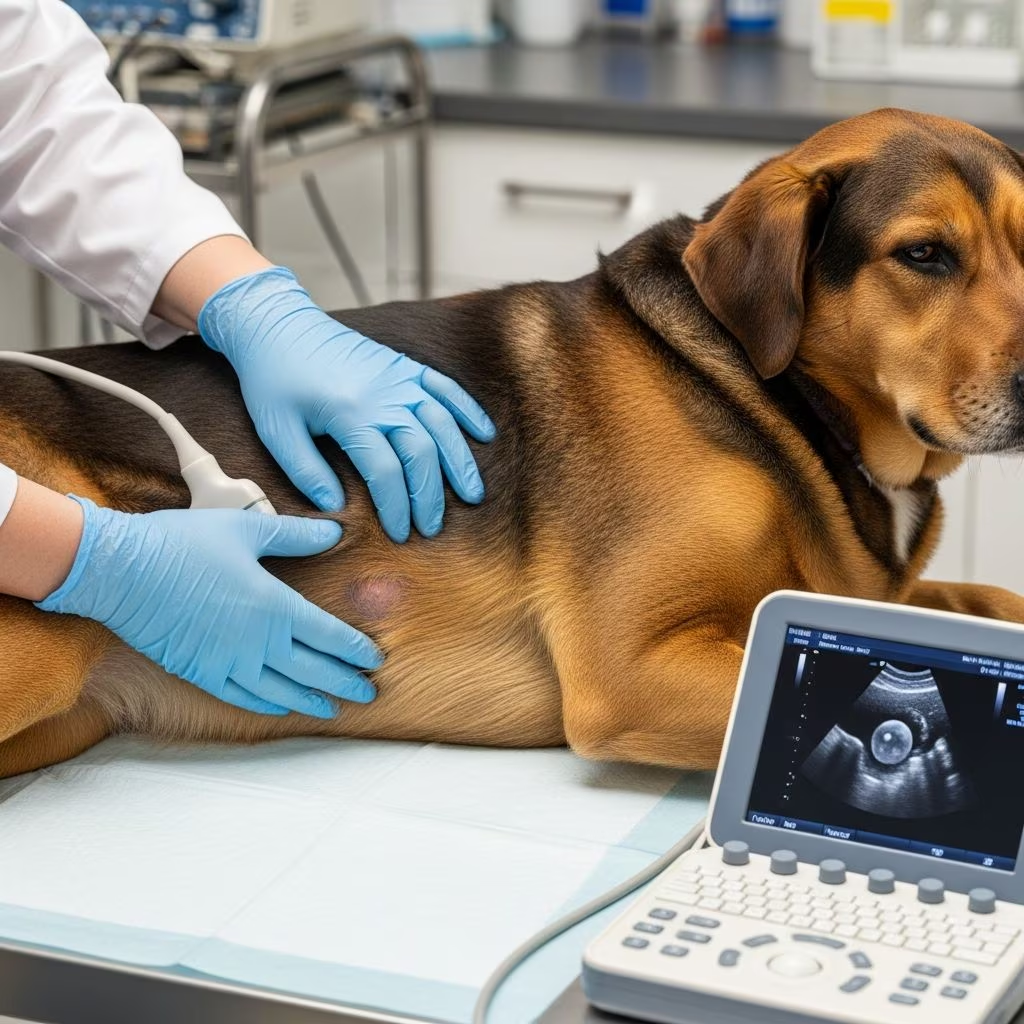
Splenic masses represent a significant health concern for dogs, particularly older large breeds, where these growths can lead to life-threatening complications like internal bleeding. Understanding their nature, from benign hematomas to aggressive cancers such as hemangiosarcoma, is crucial for timely intervention.
The Spleen’s Vital Functions in Canine Health
The spleen plays essential roles in a dog’s immune system and blood filtration. It filters out old red blood cells, stores blood for emergencies, and helps fight infections by producing white blood cells. When a mass develops, it disrupts these functions, potentially causing anemia or immune compromise.
Masses in the spleen are common in senior dogs, with statistics indicating that about two-thirds of such growths are malignant, and among those, two-thirds are hemangiosarcomas—aggressive tumors originating from blood vessel cells. These tumors often spread to organs like the liver, lungs, and heart, complicating treatment.
Common Types of Splenic Abnormalities
Splenic issues range from non-cancerous to highly malignant. Here’s a breakdown:
- Benign Hematomas: Blood clots or bruises within the spleen, often resolving without spreading.
- Hemangiomas: Non-cancerous vascular growths that mimic malignant ones but don’t metastasize.
- Hemangiosarcoma (HSA): The most prevalent malignant form, prone to rupture and metastasis.
- Other Malignancies: Including lymphosarcoma, leiomyosarcoma, and mast cell tumors, less frequent but equally serious.
Distinguishing these pre-surgery is challenging, as no single test reliably differentiates them without risking hemorrhage from biopsies.
Recognizing Warning Signs Early
Many dogs with splenic masses appear healthy until a crisis hits. Subtle early indicators include lethargy, reduced appetite, vomiting, or exercise intolerance. However, the hallmark is sudden rupture leading to hemoabdomen (blood in the abdomen):
- Sudden collapse or extreme weakness
- Pale gums indicating anemia
- Rapid heart rate and breathing
- Distended abdomen from blood accumulation
Dogs presenting with these signs have a 76% chance of malignancy and 70% likelihood of hemangiosarcoma. Breeds like German Shepherds, Golden Retrievers, Labradors, and Poodles over 8-10 years are at higher risk.
Diagnostic Approaches for Accurate Assessment
Veterinarians use a multi-step process to evaluate splenic masses, prioritizing stabilization in emergencies.
| Test | Purpose | Key Findings |
|---|---|---|
| Physical Exam | Detect palpable masses or fluid wave | Abdominal distension, pale gums |
| Blood Work (CBC, Chemistry, Coagulation) | Assess anemia, clotting risks | Low red cells, elevated whites, prolonged clotting times |
| Abdominal X-rays | Visualize mass and free fluid | Splenic enlargement, blood in abdomen |
| Ultrasound | Detailed imaging of mass and metastasis | Nodules in liver (benign or metastatic) |
| Chest X-rays | Check for lung metastases | Secondary tumors |
| Abdominocentesis (Fluid Tap) | Confirm bleeding, cytology for cancer cells | Bloody fluid, possible tumor cells (better for lymphoma) |
These diagnostics help gauge surgical candidacy and metastasis risk. Liver nodules in older dogs are often benign, avoiding misdiagnosis.
Surgical Intervention: The Primary Treatment
Splenectomy—surgical removal of the spleen—is the standard approach for splenic masses, especially with rupture. Dogs tolerate life without a spleen well, as other organs compensate for its functions.
- Pre-Surgery Stabilization: Fluids, blood transfusions for severe anemia.
- During Surgery: Mass removal, abdominal lavage, biopsy for pathology.
- Post-Op Care: Pain management, monitoring for re-bleeding, antibiotics.
Without hemoabdomen, benign masses are more likely (high cure rate post-surgery). With bleeding, malignancy odds rise, but surgery still offers palliation.
Prognosis: What to Expect After Diagnosis
Outcomes vary widely:
- Benign Masses: Excellent prognosis; most dogs live normal lifespans post-splenectomy.
- Malignant HSA: Poor; median survival 1-3 months without chemo, up to 6 months with it. Splenic HSA has better odds than cardiac forms.
Adjunct therapies like chemotherapy (e.g., doxorubicin) may extend life but cure is rare due to microscopic spread.
Prevention and Routine Monitoring Strategies
While genetic predispositions can’t be changed, proactive steps help:
- Annual wellness exams with abdominal palpation for at-risk breeds.
- Ultrasound screening for seniors showing vague symptoms like weight loss or low energy.
- Emergency awareness: Rush to vet for collapse, pale gums, or belly swelling.
- Healthy lifestyle: Balanced diet, exercise to support immunity, though unproven against tumors.
Early detection dramatically improves chances, turning potential tragedies into manageable conditions.
Frequently Asked Questions (FAQs)
What breeds are most prone to splenic masses?
German Shepherds, Golden Retrievers, Labrador Retrievers, and Poodles, especially over 8 years old.
Can my dog live without a spleen?
Yes, dogs adapt well; the liver and bone marrow take over key functions.
Is biopsy safe before surgery?
Often not, due to rupture risk; histopathology post-splenectomy provides definitive diagnosis.
What are hemangiosarcoma survival rates?
Surgery alone: 1-3 months; with chemo: up to 6 months median.
Are there non-surgical options?
For inoperable cases, palliative care like transfusions, but surgery is gold standard.
Navigating Treatment Decisions with Your Vet
Discuss risks, costs, and quality of life. Staging tests (ultrasound, chest x-rays) inform if surgery is worthwhile. For stable patients without bleeding, odds favor benign outcomes; emergencies tilt toward cancer but warrant intervention.
Owner testimonials highlight rapid recoveries post-surgery for benign cases, underscoring the value of prompt action despite uncertainties.
References
- Tumors of the Spleen in Pets — BluePearl Pet Hospital. 2023. https://bluepearlvet.com/medical-articles-for-pet-owners/cancer-tumors-of-the-spleen/
- Canine Splenic Hemangiosarcoma — Metro-Vet Veterinary Services. 2023. https://metro-vet.com/canine-splenic-hemangiosarcoma-2/
- Splenic Masses in Dogs: Algorithms for Differentials, Diagnosis, and Treatment — Today’s Veterinary Practice. 2022. https://todaysveterinarypractice.com/soft-tissue-surgery/splenic-masses-in-dogs-differentials-diagnosis-and-treatment-algorithm/
- Hemangiosarcoma in Dogs — Cornell University College of Veterinary Medicine. 2024. https://www.vet.cornell.edu/departments-centers-and-institutes/riney-canine-health-center/canine-health-information/hemangiosarcoma-dogs
- Enlarged Spleen in Dogs – Definition, Tumors, & Surgery — Peak Veterinary. 2023. https://www.peakveterinary.com/blog/enlarged-spleen-in-dogs%20-definition-tumors-and-surgery



