Splenectomy In Dogs: Complete Guide For Owners
Understand the splenectomy procedure for dogs, from diagnosis to recovery, and how pets thrive post-surgery despite spleen removal.
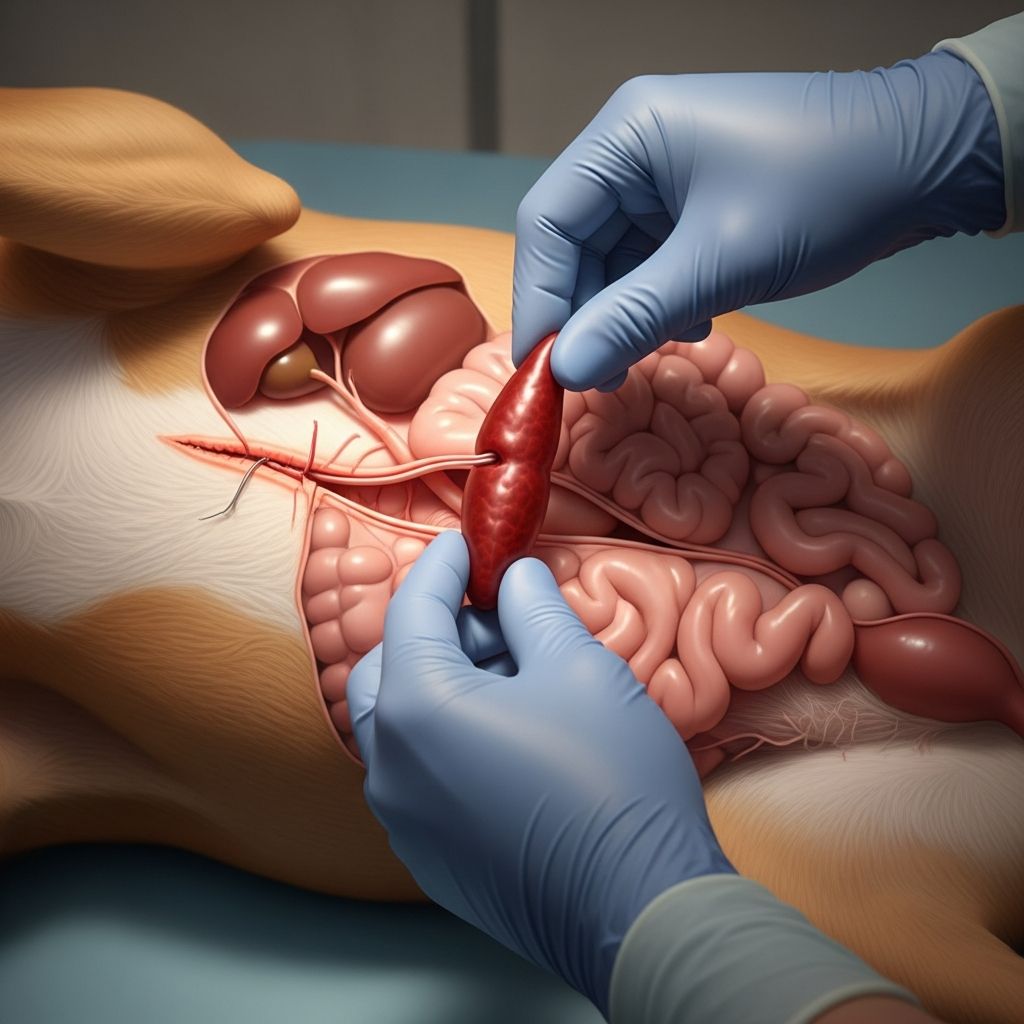
The spleen serves vital functions in a dog’s body, but its removal through splenectomy is a common and often life-saving procedure. Dogs can adapt remarkably well without it, maintaining quality lives with proper care.
Understanding the Canine Spleen and Its Role
The spleen is a fist-sized organ located near the stomach in the abdominal cavity. It acts as a blood filter, removing old or damaged red blood cells, and stores blood cells for release during emergencies. Additionally, it supports immune responses by producing white blood cells and antibodies.
- Blood filtration: Clears debris and pathogens from circulation.
- Immune support: Houses lymphocytes for fighting infections.
- Blood reservoir: Releases reserves during shock or hemorrhage.
While essential, the liver and bone marrow compensate effectively post-removal, allowing dogs to live normally.
Common Reasons for Spleen Removal in Dogs
Splenectomy becomes necessary when the spleen is compromised by disease, injury, or structural issues. Tumors are the leading cause, often presenting as masses that rupture and cause internal bleeding.
| Condition | Description | Urgency |
|---|---|---|
| Hemangiosarcoma or Benign Masses | Cancerous or non-cancerous growths leading to rupture | Emergency if bleeding |
| Trauma | Rupture from accidents like car hits | Immediate |
| Splenic Torsion | Twisting cuts off blood supply, causing necrosis | High |
| Infection or Hematoma | Blood clots or abscesses | Variable |
Splenic masses affect older dogs most frequently, with breeds like German Shepherds and Labrador Retrievers predisposed.
Recognizing Symptoms of Spleen Issues
Early detection improves outcomes. Watch for sudden weakness, collapse, pale gums, rapid breathing, or a bloated abdomen indicating hemoabdomen (blood in the belly).
- Sudden lethargy or fainting episodes
- Abdominal distension or pain
- Dark, tarry stools from digested blood
- Loss of appetite and vomiting
These signs demand immediate veterinary attention, as internal bleeding can be fatal within hours.
Diagnostic Process Before Surgery
Veterinarians start with a physical exam, followed by blood tests to evaluate clotting, anemia, and organ function. Ultrasound or X-rays visualize the spleen for masses, torsion, or fluid.
In emergencies, stabilization precedes full diagnostics: IV fluids correct hypovolemia, and transfusions address severe anemia. Chest imaging checks for metastasis in tumor cases.
The Splenectomy Surgical Procedure Explained
Splenectomy is performed under general anesthesia via abdominal incision. The highly vascular spleen requires meticulous vessel ligation to control bleeding.
Pre-Operative Steps
Dogs fast 8-12 hours pre-surgery. Pre-medication includes sedatives and pain relief. IV access delivers fluids and monitors vitals.
Intra-Operative Techniques
- Anesthesia induction with monitoring of heart rate, blood pressure, oxygen, and temperature.
- Abdominal incision exposes the spleen.
- Vessels ligated, clipped, or sealed near the hilus; spleen excised.
- Cavity inspected for abnormalities or metastasis.
- Layered closure of incision.
Surgery lasts 1-2 hours, longer if complications arise.
Managing Risks and Complications
Bleeding is the primary risk due to the spleen’s vascularity; transfusions may be needed intra- or post-operatively. Other issues include:
- Arrhythmias: Common in mass cases, monitored via EKG.
- Infection/Sepsis: Prevented with antibiotics.
- Anesthesia Risks: Rare with modern protocols.
- GDV Risk: Increased post-splenectomy; gastropexy recommended for at-risk breeds.
Sudden death from hemorrhage or clots can occur up to 24 hours post-op.
Post-Operative Care at Home
Hospital stay is 1-3 days for monitoring. Discharge includes:
- Strict rest: Crate confinement 10-14 days, leash walks only.
- Pain meds: Typically opioids or NSAIDs.
- E-collar to prevent licking incision.
- Small, frequent meals to avoid bloat.
- Suture removal at 10-14 days.
Monitor for swelling, discharge, lethargy, or pale gums; contact vet immediately if noted.
Long-Term Prognosis After Spleen Removal
Benign conditions yield excellent outcomes; dogs return to normal activity in 4-6 weeks. Malignant tumors like hemangiosarcoma have guarded prognosis (1-3 months survival), though splenectomy provides palliation.
Without a spleen, dogs face slightly higher infection risks but thrive with vaccinations and routine care. Annual check-ups monitor for recurrence.
Preventive Measures and Breed Considerations
No direct prevention exists for splenic issues, but regular senior wellness exams aid early detection. Deep-chested breeds (e.g., Great Danes) benefit from gastropexy during splenectomy to prevent GDV.
Frequently Asked Questions (FAQs)
Can dogs live a normal life without a spleen?
Yes, the body compensates via liver and bone marrow; most dogs lead full, active lives.
How much does splenectomy cost?
Costs range $2,000-$5,000, varying by emergency status, location, and complications.
What is the recovery time?
Full recovery takes 2-4 weeks with restricted activity.
Is splenectomy always emergency surgery?
Often yes for ruptures, but elective for non-bleeding masses.
Will my dog need special diet post-surgery?
A balanced diet supports immunity; consult vet for supplements if needed.
Conclusion
Splenectomy saves lives and restores quality for many dogs. Prompt action on symptoms and diligent recovery care are key to success.
References
- Dog Spleen Surgery – Splenectomy: What You Need to Know — Vet Howard County. 2023. https://www.vethowardcounty.com/post/dog-splen-surgery-splenectomy-what-you-need-to-know
- Splenectomy in Dogs — PetMD. 2024-10-15. https://www.petmd.com/dog/procedure/splenectomy-in-dogs
- Splenectomy in dogs: Prevention, symptoms, treatment & surgery — Animal Outpatient Surgery. 2023. https://animaloutpatientsurgery.com/blog/splenectomy-in-dogs-prevention-symptoms-treatment-surgery/
- Pet Treatment: Splenectomy in Dogs — WPAH Cleveland. 2024. https://wpahcle.com/veterinary-surgery/splenectomy/
- Chapter 13: Splenectomy — Vet Surgery Online. 2023. https://www.vetsurgeryonline.com/splenectomy/
- Splenectomy (removal of the spleen) — Purdue University Veterinary Hospital. 2023. https://vet.purdue.edu/hospital/small-animal/documents/soft-tissue-surgery/2023-PUVH-splenectomy.pdf
- Splenectomy — CC Vet Specialists. 2024. https://www.ccvetspecialists.com/splenectomy
Similar Articles








Read full bio of Sneha Tete