

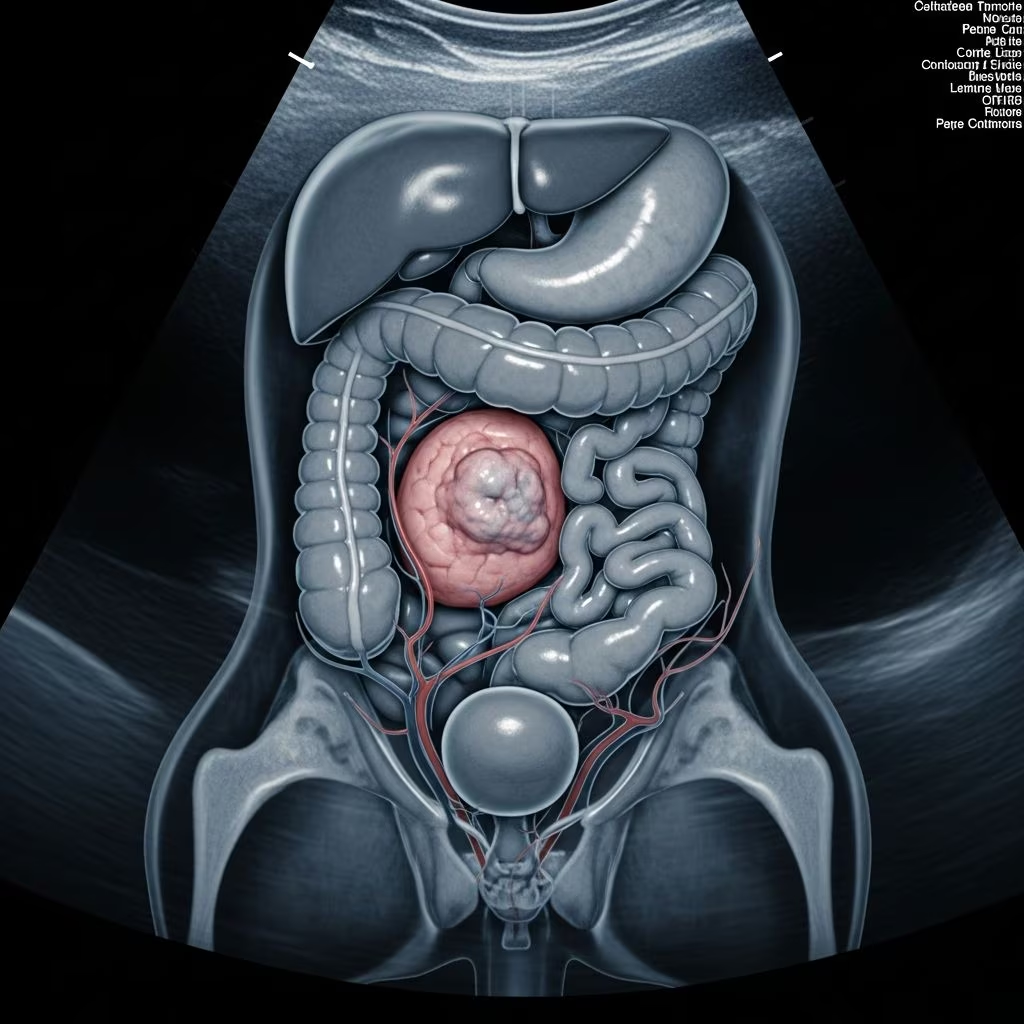
Understanding Spleen Tumors in Dogs
Spleen tumors represent a serious health concern for dogs, particularly as they age. The spleen, an organ responsible for filtering blood and supporting immune function, can develop tumors that may go unnoticed until they reach advanced stages. The most common malignant tumor affecting the canine spleen is hemangiosarcoma (HSA), an aggressive cancer that originates from blood vessel cells. Understanding the nature of these tumors, their symptoms, and available treatment options is crucial for dog owners seeking to protect their pets’ health.
What is Hemangiosarcoma?
Hemangiosarcoma is a highly aggressive form of cancer that develops from the endothelial cells lining blood vessels. The spleen is the most common location for HSA development in dogs, though tumors can also occur in the heart and other organs. These splenic tumors can grow to substantial sizes and pose a significant risk due to their tendency to rupture and cause internal bleeding. The disease has a poor prognosis, with most dogs developing metastatic disease that spreads to other organs such as the liver, heart, and lungs.
The aggressive nature of hemangiosarcoma means that even with treatment, survival times are limited compared to many other cancers. This underscores the importance of early detection and prompt intervention when symptoms arise.
Breeds and Age of Affected Dogs
Splenic tumors tend to affect older dogs, typically those between 8 and 10 years of age or older. Certain breeds show a higher predisposition to developing hemangiosarcoma, including:
- German Shepherds
- Golden Retrievers
- Labrador Retrievers
- Poodles
While these breeds are more commonly affected, hemangiosarcoma can occur in any dog breed. Owners of predisposed breeds should be especially vigilant about monitoring their pets for warning signs, particularly as they enter their senior years.
Symptoms of Spleen Tumors in Dogs
One of the most challenging aspects of spleen tumors is that symptoms often do not appear until the disease is advanced. Early-stage tumors may produce no noticeable signs, and symptoms typically become apparent when the tumor ruptures or bleeds internally.
Early and Non-Specific Symptoms
When present, early symptoms tend to be non-specific and can mimic other conditions:
- Lethargy and general weakness
- Decreased appetite or anorexia
- Exercise intolerance
- Weight loss
- Vomiting (which may be intermittent)
- Discolored urine
Acute Emergency Symptoms
When a splenic tumor ruptures and causes internal bleeding, dogs may present with sudden, life-threatening symptoms that require immediate veterinary attention:
- Sudden collapse or fainting
- Acute weakness and lethargy
- Pale mucous membranes (gums)
- Rapid heart rate (tachycardia)
- Abdominal distension or bloating
- Cold limbs
- Heart arrhythmia
- Painful or tender abdomen
- Jaundice (yellowing of the skin and gums)
These acute symptoms develop suddenly and demand emergency veterinary care. Dogs presenting with these signs should be transported to an emergency veterinary clinic immediately, as internal bleeding can be life-threatening.
Diagnosis of Splenic Tumors
Diagnosing spleen tumors involves a combination of physical examination and imaging techniques. Because symptoms often appear only when rupture occurs, many dogs are initially diagnosed when presenting with emergency symptoms.
Physical Examination
During a physical examination, a veterinarian may detect:
- A large abdominal mass upon palpation
- Pale mucous membranes indicating anemia
- Abdominal pain or sensitivity
- Fever
- Signs of dehydration
Imaging Tests
Imaging plays a critical role in diagnosis:
- Radiographs (X-rays): May reveal a mass in the abdomen and can show abnormal spleen positioning in cases of splenic torsion
- Abdominal Ultrasound: Provides detailed visualization of the spleen and can confirm the presence of a tumor, assess its severity, and evaluate for signs of bleeding
Blood Work
Laboratory tests help assess the dog’s overall condition and provide prognostic information:
- Complete Blood Count (CBC) to evaluate red blood cell counts and detect anemia
- Serum chemistry analysis to assess organ function
- Coagulation testing to determine bleeding tendency
Blood work often reveals anemia (low red blood cell counts) and may show elevated white blood cells. In some cases, blood counts may be regenerative, indicating the bone marrow is attempting to compensate for blood loss.
Definitive Diagnosis
A definitive diagnosis of hemangiosarcoma requires tissue analysis performed by a pathologist, which typically takes about one week following surgical removal of the spleen. Surgery often proceeds without a confirmed diagnosis due to the urgent nature of the condition when rupture has occurred.
Treatment Options for Spleen Tumors
Treatment approaches depend on the disease stage, the dog’s overall health status, and whether metastasis has occurred. The primary treatment is surgical intervention, often followed by chemotherapy.
Surgical Treatment: Splenectomy
Surgical removal of the spleen, called a splenectomy, is the primary treatment for splenic tumors. This procedure serves multiple purposes:
- Removes the tumor and prevents further rupture and bleeding
- Stops internal bleeding if rupture has already occurred
- Allows for tissue biopsy to determine tumor type and grade
- Can be both diagnostic and therapeutic
Surgical Preparation and Procedure
Before surgery, dogs typically require stabilization through:
- Intravenous fluid administration
- Artificial plasma (hetastarch) to support blood volume
- Blood transfusions if significant anemia is present or anticipated
During the splenectomy, the surgeon makes an abdominal incision and carefully removes the spleen. Hemostatic staples are commonly used to seal blood vessels, and post-operative radiographs may show these staples in the abdomen. In deep-chested breeds prone to gastric dilatation-volvulus (GDV), surgeons may tack the stomach to the abdominal wall to help prevent this serious complication in the future.
Post-Operative Recovery
After surgery, dogs require careful monitoring and recovery care:
- Continued intravenous fluid support
- Pain management medications
- Antibiotic therapy if needed
- Strict exercise restriction for approximately 2 weeks
- Incision monitoring for signs of infection
- Gradual transition to oral medications
Most dogs recover well from splenectomy, though complete recovery typically takes 2-3 weeks. Following successful initial recovery, dogs can resume normal activity levels.
Partial Splenectomy
In rare cases where only a small portion of the spleen is affected by trauma or disease, veterinarians may perform a partial splenectomy to preserve as much of the organ’s function as possible. However, this approach is uncommon and is typically reserved for specific circumstances.
Chemotherapy for Hemangiosarcoma
Because hemangiosarcoma is highly aggressive and frequently metastasizes, chemotherapy is strongly recommended following surgery to improve survival rates and slow disease progression. While chemotherapy cannot cure hemangiosarcoma, it can significantly extend survival time.
Primary Chemotherapy Drug
The primary chemotherapy agent used for hemangiosarcoma is Doxorubicin (also known as Adriamycin), administered intravenously. This drug targets cancer cells throughout the body and can slow the disease process.
Chemotherapy Protocol
Standard chemotherapy protocols typically involve:
- Intravenous chemotherapy injections administered every 2-3 weeks
- Total of 4-5 primary treatment sessions
- Outpatient basis administration at veterinary hospitals
- Possible oral maintenance therapies following primary protocol completion
- Additional combination therapies recommended in some cases
Side Effects and Quality of Life
Dogs tolerate chemotherapy better than humans, experiencing fewer and milder side effects. Less than 15% of canine patients experience adverse effects such as nausea, vomiting, or suppressed white blood cell counts. When side effects do occur, they are manageable with supportive care. Dogs receiving appropriate chemotherapy maintain a good quality of life throughout treatment, as veterinary protocols use lower doses aimed at palliation rather than aggressive treatment.
Survival Rates and Prognosis
Understanding survival statistics helps owners make informed treatment decisions, though individual outcomes vary significantly.
Surgery Alone
Dogs treated with surgery alone have poor survival outcomes, typically living only 1-3 months after splenectomy. Most dogs with untreated metastatic disease die when cancer spreads to other organs, causing organ dysfunction and internal bleeding.
Surgery Plus Chemotherapy
The combination of surgery and chemotherapy significantly improves survival duration. Dogs receiving both treatments can expect:
- Median survival time of 4-7 months with standard chemotherapy protocols
- Some dogs surviving up to 9 months or longer
- Approximately 10-15% of dogs alive at one year post-diagnosis
- Individual cases of much longer survival, though not typical
Factors Affecting Prognosis
Several factors influence individual prognosis and likelihood of achieving longer survival:
- Age at diagnosis (younger dogs may have better outcomes)
- Whether the tumor ruptured prior to surgery
- Presence of metastatic spread at time of surgery
- Tumor grade and aggressiveness
- Overall health status and ability to tolerate treatment
- Prompt initiation of chemotherapy following surgery
Dogs diagnosed at a young age, those without evidence of spread, and those with lower-grade tumors tend to have better survival prospects. Immediate chemotherapy initiation after surgery is critical for optimizing outcomes.
Emerging Treatments and Research
Ongoing clinical studies and trials are investigating new therapeutic approaches for hemangiosarcoma. These emerging treatments aim to improve survival rates and quality of life beyond current standard protocols. Dog owners interested in experimental treatments should discuss clinical trial availability with their veterinary oncologist.
Financial and Emotional Considerations
A hemangiosarcoma diagnosis carries significant emotional and financial implications for dog owners. Emergency surgery is costly, and the decision to proceed without a definitive diagnosis adds to the anxiety of an already stressful situation. Owners should discuss treatment costs, prognosis, and quality-of-life considerations with their veterinarian to make decisions aligned with their circumstances and values.
Frequently Asked Questions
Q: Can a dog live a normal life after splenectomy?
A: Yes, dogs can live normally after splenectomy. The spleen’s functions can be compensated for by other organs, and most dogs recover well and return to normal activities within 2-3 weeks of surgery.
Q: Is hemangiosarcoma curable?
A: Hemangiosarcoma cannot be cured, but surgery and chemotherapy can extend survival time and improve quality of life. Early detection and prompt treatment offer the best outcomes.
Q: How can I reduce my dog’s risk of developing hemangiosarcoma?
A: There is no proven prevention method for hemangiosarcoma. Regular veterinary checkups, especially for older dogs and predisposed breeds, can help with early detection.
Q: What should I do if my dog shows symptoms of a ruptured spleen?
A: If your dog exhibits sudden collapse, pale gums, lethargy, or abdominal distension, seek emergency veterinary care immediately. These are signs of internal bleeding requiring urgent treatment.
Q: Will my dog need chemotherapy after surgery?
A: Chemotherapy is strongly recommended after splenectomy for hemangiosarcoma, as it significantly extends survival time compared to surgery alone. Your veterinarian will discuss this recommendation based on your dog’s specific situation.
Q: How long does recovery take after splenectomy surgery?
A: Most dogs require about 2 weeks of strict rest and exercise restriction. Full recovery typically occurs within 2-3 weeks, after which normal activity can resume.
References
- Hemangiosarcoma in Dogs — Cornell University College of Veterinary Medicine, Riney Canine Health Center. Accessed January 2026. https://www.vet.cornell.edu/departments-centers-and-institutes/riney-canine-health-center/canine-health-information/hemangiosarcoma-dogs
- Canine Splenic Hemangiosarcoma — Metro Veterinary Hospital. Accessed January 2026. https://metro-vet.com/canine-splenic-hemangiosarcoma-2/
- Tumors of the Spleen in Pets — BluePearl Veterinary Partners. Accessed January 2026. https://bluepearlvet.com/medical-articles-for-pet-owners/cancer-tumors-of-the-spleen/
- Spleen Disease in Dogs: Causes, Symptoms & Treatment — Long Beach Animal Hospital. Accessed January 2026. https://lbah.com/canine/spleen-disease-hemangiosarcoma-hematoma/
- Spleen Cancer in Dogs — Montevista Veterinary Clinic, Turlock. Accessed January 2026. https://www.montevistavet.com/site/blog/2024/04/30/spleen-cancer-dogs
- Enlarged Spleen in Dogs – Definition, Tumors, & Surgery — Peak Veterinary. Accessed January 2026. https://www.peakveterinary.com/blog/enlarged-spleen-in-dogs-definition-tumors-and-surgery
- Splenic Masses in Dogs — CVS Vets. Accessed January 2026. https://www.cvsvets.com/health/conditions/splenic-masses-in-dogs



