

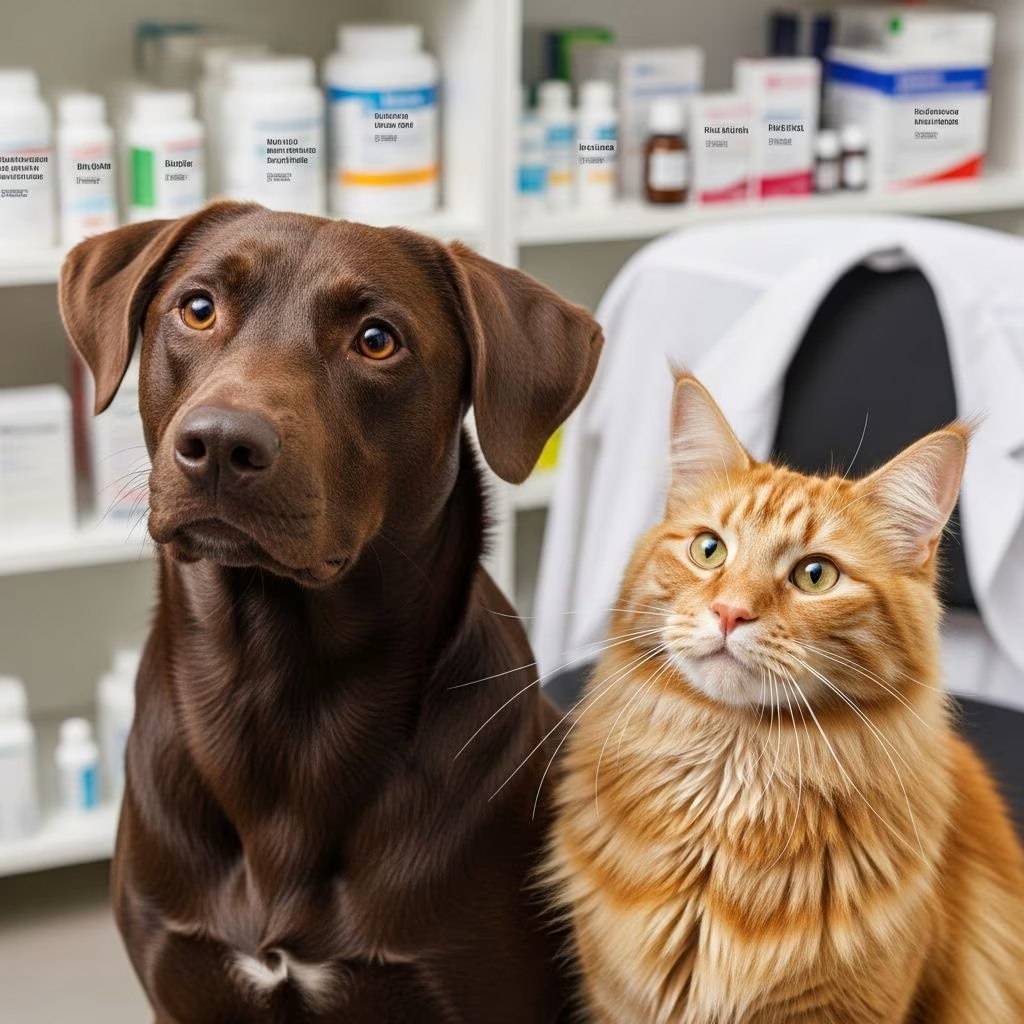
What Is Spironolactone?
Spironolactone is a potassium-sparing diuretic and aldosterone antagonist commonly prescribed by veterinarians to manage cardiovascular and fluid-related conditions in dogs and cats. Unlike traditional loop diuretics, spironolactone works by blocking aldosterone, a hormone that regulates fluid and electrolyte balance in the body. This medication has been used in veterinary medicine for many years and continues to be supported by recent research for its effectiveness in treating chronic conditions affecting pets.
The drug functions as a prodrug, meaning it is rapidly metabolized in the liver to canrenone and other active metabolites before being eliminated primarily through the kidneys. Peak diuretic effects typically do not occur until two to three days into therapy, making spironolactone unsuitable for emergency situations requiring immediate fluid removal.
How Does Spironolactone Work?
Spironolactone works by competitively inhibiting aldosterone at the mineralocorticoid receptor of target cells in the distal renal tubules. This mechanism of action leads to several important physiological changes:
- Increases the excretion of sodium, chloride, and water through urine
- Spares potassium, ammonium, and phosphate from being lost in urine
- Shows greatest effectiveness in animals with elevated aldosterone levels
- Provides additional cardioprotective effects through vasodilation mechanisms
- Acts as a neuroendocrine modulator by inhibiting the renin-angiotensin-aldosterone system (RAAS)
The potassium-sparing property of spironolactone distinguishes it from loop diuretics like furosemide, which can cause significant potassium loss. This characteristic makes spironolactone particularly valuable when used in combination with other cardiac medications, as it helps maintain balanced electrolyte levels.
Common Uses in Dogs and Cats
Veterinarians prescribe spironolactone for various conditions affecting the cardiovascular and urinary systems in companion animals. The medication is particularly valuable for managing chronic conditions that require long-term treatment.
Congestive Heart Failure
The most common indication for spironolactone is congestive heart failure (CHF). In dogs with CHF due to degenerative valve disease or dilated cardiomyopathy, spironolactone is typically used alongside other medications such as furosemide, digoxin, and ACE inhibitors. Research in both humans and dogs demonstrates improved survival rates when spironolactone is added to conventional CHF treatment regimens. The addition of spironolactone may also allow veterinarians to use lower doses of furosemide, reducing potential side effects associated with loop diuretics.
In cats, spironolactone has shown promise for managing hypertrophic cardiomyopathy (HCM) and other forms of feline heart disease. Clinical trials have demonstrated improved survival rates in cats receiving spironolactone in combination with furosemide and benazepril.
Fluid Retention and Ascites
Spironolactone effectively manages refractory edema and ascites (fluid buildup in the abdomen) associated with liver cirrhosis, heart disease, or kidney dysfunction. The medication helps reduce excess fluid accumulation in body cavities, improving comfort and breathing in affected pets.
Hypertension
Elevated blood pressure in dogs and cats can be managed with spironolactone, particularly when combined with other antihypertensive medications. The vasodilatory effects of the drug contribute to blood pressure reduction.
Kidney Disease
Spironolactone may be prescribed for pets with glomerular disease and nephrotic syndrome to help manage fluid retention and reduce proteinuria. It is also used in certain cases of feline primary hyperaldosteronism, an adrenal gland disorder causing excessive aldosterone production.
Spironolactone Dosage Guidelines
Proper dosing is essential for achieving therapeutic benefits while minimizing adverse effects. Dosage varies depending on the specific condition being treated and the individual pet’s characteristics.
| Condition | Typical Dosage Range | Frequency |
|---|---|---|
| Congestive Heart Failure | 1-2 mg/kg | Once or twice daily |
| Ascites | 0.5-2 mg/kg | Twice daily |
| Hypertension | 1-2 mg/kg | Once or twice daily |
| Glomerular Disease | 1-2 mg/kg | Once daily |
| Diuretic Effect | 2-4 mg/kg | Every 24 hours |
| RAAS Inhibition | 0.5-1 mg/kg | Every 12 hours |
Optimal dosages for individual pets should be determined by a veterinarian based on the specific condition, concurrent medications, kidney function, and potassium levels. In dogs with CHF, the optimal dosage appears to be approximately 2 mg/kg administered once daily.
Administration Instructions
Administering spironolactone correctly ensures optimal absorption and effectiveness:
- Dogs and cats can take spironolactone with food or on an empty stomach
- If vomiting occurs after administration, give the next dose with food
- Tablets should be given as directed by the veterinarian
- For oral suspension, shake the bottle before measuring and use the provided dosing syringe
- Most pets receive one dose daily, though some conditions may require twice-daily dosing
- Spironolactone may be a long-term or lifelong treatment for chronic conditions
Potential Side Effects
While spironolactone is generally well-tolerated in dogs and cats, pet owners should be aware of possible adverse effects:
Common Side Effects
- Increased urination (polyuria)
- Increased thirst (polydipsia)
- Mild electrolyte imbalances
- Dehydration
- Mild gastrointestinal upset
Serious Side Effects Requiring Veterinary Attention
Contact your veterinarian immediately if your pet develops any of the following:
- Skin sores or facial itching
- Persistent or severe loss of appetite
- Vomiting or diarrhea
- Lethargy or low energy
- Increased breathing rate or effort
- Trouble walking or loss of balance
- Cessation of drinking or urination
In cats, a notable concern is the potential for ulcerative facial dermatitis, a skin condition that has been reported in some cases, though research suggests this may be less common than initially thought.
Safety Considerations and Contraindications
Spironolactone is considered safe as a backup or adjunct treatment in dogs and cats when used appropriately. However, certain conditions and situations require caution or contraindicate its use:
When Spironolactone Is Contraindicated
Spironolactone should not be given to pets with high potassium levels (hyperkalemia). Medical conditions that cause elevated potassium include:
- Diabetes mellitus
- Addison’s disease
- Kidney disease or failure
- Severe renal dysfunction
Cautions
Veterinarians use spironolactone cautiously in pets with liver disease or hepatic dysfunction, as the drug undergoes hepatic metabolism. Additionally, spironolactone should be used carefully in combination with ACE inhibitors, as both can increase potassium levels.
Drug Interactions
Spironolactone may interact with other medications your pet is taking. Important interactions include:
- ACE Inhibitors (e.g., enalapril, benazepril): Combined use may increase potassium levels; potassium monitoring is essential
- NSAIDs: May increase the risk of kidney damage and electrolyte imbalances
- Potassium supplements: Should generally be avoided unless specifically recommended by the veterinarian
- Loop diuretics (furosemide): Commonly used together but require monitoring for electrolyte balance
Monitoring and Follow-Up Care
Regular monitoring is essential for pets receiving spironolactone therapy. Veterinarians typically recommend:
- Baseline blood work before starting spironolactone, including kidney function tests and electrolyte panels
- Follow-up blood work 1-2 weeks after initiating therapy
- Periodic monitoring every 3-6 months for long-term therapy
- More frequent monitoring if the pet has underlying kidney disease or is on concurrent ACE inhibitors
- Assessment of clinical response to therapy, including improvement in breathing, energy level, and appetite
Pet owners should maintain regular veterinary appointments and report any changes in their pet’s condition or behavior.
Off-Label Use in Veterinary Medicine
It is important to note that spironolactone’s use in dogs and cats to treat heart failure and other cardiovascular conditions is considered off-label or extra-label. The FDA has approved spironolactone for use in humans but not officially for use in animals. However, the FDA allows veterinarians to prescribe approved human medications for animals when they believe it is in the animal’s best interest and no suitable approved animal alternative exists. This practice is legal and common in veterinary medicine.
Comparing Spironolactone to Other Diuretics
| Diuretic Type | Potassium Effect | Primary Use | Speed of Action |
|---|---|---|---|
| Spironolactone (K-sparing) | Retains potassium | CHF, adjunct therapy | 2-3 days to peak effect |
| Furosemide (Loop) | Depletes potassium | Acute fluid removal | Rapid (hours) |
| Thiazides | Depletes potassium | Hypertension | Moderate |
Frequently Asked Questions
Q: How long does it take for spironolactone to work?
A: Peak diuretic effects typically occur after two to three days of therapy. Therefore, spironolactone is not suitable for emergency situations requiring immediate fluid removal. However, the cardioprotective effects may develop over a longer period.
Q: Can spironolactone be used alone or must it be combined with other medications?
A: Spironolactone is never used as a standalone treatment. Veterinarians always combine it with other medications for treating congestive heart failure, typically including furosemide, digoxin, and ACE inhibitors in dogs. In cats with heart disease, it is usually combined with furosemide and benazepril.
Q: Is spironolactone safe for all pets with heart disease?
A: No. Spironolactone should not be given to pets with high potassium levels or certain conditions like Addison’s disease, diabetes, or severe kidney disease. Your veterinarian will perform blood work to ensure spironolactone is safe for your specific pet.
Q: What should I do if I miss a dose?
A: Give the missed dose as soon as you remember, unless it is close to the time for the next scheduled dose. Never double-dose your pet. Contact your veterinarian if you are uncertain about what to do.
Q: How long will my pet need to take spironolactone?
A: For chronic conditions like congestive heart failure, spironolactone may be a lifelong treatment. Your veterinarian will determine the appropriate duration based on your pet’s condition and response to therapy.
Q: Are there any dietary restrictions while taking spironolactone?
A: Discuss dietary considerations with your veterinarian. Some pets may require specific diets low in sodium or potassium depending on their underlying condition. Your vet may also recommend increased water availability due to increased urination.
References
- Diuretics for Use in Animals — Merck Veterinary Manual. Updated 2024. https://www.merckvetmanual.com/pharmacology/systemic-pharmacotherapeutics-of-the-cardiovascular-system/diuretics-for-use-in-animals
- Spironolactone for Dogs and Cats — Wedgewood Pharmacy. Last reviewed 2022-07-14. https://www.wedgewood.com/medications/spironolactone/
- Beyond Furosemide: The Role of Diuretics in Congestive Heart Failure, Part 2 – Spironolactone — Today’s Veterinary Practice. https://todaysveterinarypractice.com/cardiology/the-role-of-diuretics-in-congestive-heart-failure-part-2-spironolactone/
- Spironolactone for Dogs: Uses, Dosage, and Safety — SingleCare. https://www.singlecare.com/blog/spironolactone-for-dogs/
- Spironolactone: Generic Tablets for Dogs and Cats — VetRxDirect. https://www.vetrxdirect.com/product/view/spironolactone-tablets-for-dogs-and-cats-rx



