

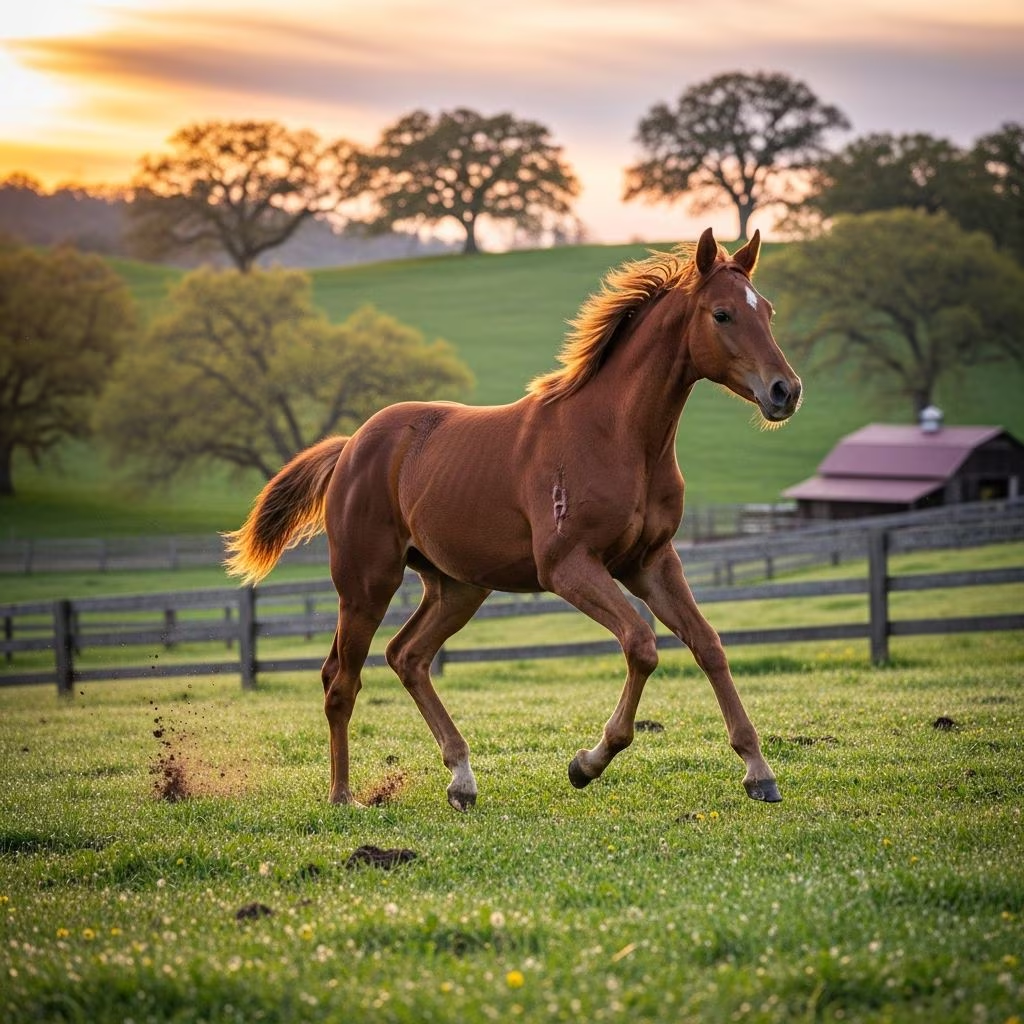
Spirited Colt Returns to Horsing Around After Leg Injury
When a young, spirited colt suffers a devastating leg injury, the road to recovery often seems impossible. Yet with modern veterinary advancements, proper medical intervention, and dedicated care from his human family, one remarkable colt has made a full recovery that defied the odds. This is the inspiring story of resilience, determination, and the transformative power of specialized equine medicine.
The Incident: When Everything Changed
The injury came suddenly and unexpectedly, changing the course of a young colt’s life in an instant. What began as a normal day quickly turned into an emergency requiring immediate veterinary attention. The severity of the injury left the colt’s family facing difficult questions about whether their beloved animal could ever return to his spirited, playful self.
When a leg injury of this magnitude occurs in a young horse, time becomes critical. Every moment counts in determining the best course of action and setting the stage for recovery. The family knew they needed expert help immediately, and they acted fast to get their colt the medical attention he desperately needed.
Initial Emergency Response and Diagnosis
The first hours following the injury were crucial. Professional veterinarians conducted thorough examinations, including X-rays and other diagnostic imaging to fully understand the extent of the damage. The diagnosis was serious, but it wasn’t necessarily a death sentence—thanks to modern equine orthopedic medicine, there was hope.
The veterinary team carefully assessed whether surgical intervention was necessary and what type of surgical approach would give the colt the best chance at full recovery. This assessment process involved evaluating the exact location and nature of the fracture, the colt’s age and overall health, and the realistic prospects for return to athletic function.
The Road to Surgery: Preparation and Planning
Before heading into the operating room, the colt required careful stabilization and preparation. The veterinary team worked meticulously to ensure that the injury was properly managed during transport and that all preparations were made for a successful surgical intervention.
Surgical planning in equine orthopedics is complex and requires extensive knowledge and experience. The team had to determine which implants would best serve the colt’s needs, how to secure the fractured bone properly, and what post-operative care would be necessary. This wasn’t a simple procedure—it required the expertise of specialists in large animal surgery.
The Surgical Intervention
The surgery represented the colt’s best hope for recovery. Specialized surgical implants, including metal plates and screws, were carefully placed to stabilize the fractured bone and allow it to heal properly. The precision required during this procedure cannot be overstated—even minor mistakes could compromise the outcome.
The surgical team worked with meticulous attention to detail, knowing that the success of this operation would determine whether the young colt could ever return to normal function. Modern orthopedic technology made procedures possible that would have been unthinkable just decades ago, offering horses like this colt a genuine chance at recovery.
Post-Operative Care: The Critical Recovery Phase
Recovery from major equine orthopedic surgery is not a passive process. It requires active, dedicated management and constant vigilance. The colt’s family and medical team embarked on an intensive care regimen designed to support healing and prevent complications.
Daily Bandage Changes
One of the most crucial aspects of post-operative care involved daily bandage changes. These weren’t simple wraps—they were carefully applied dressings designed to protect the surgical site, manage swelling, and promote proper healing. Each change required expertise and attention to prevent infection and support the healing process.
Medication Management
The colt required a comprehensive medication regimen to support recovery. Antibiotics were essential to prevent infection at the surgical site, while pain management medications helped keep the young horse comfortable during this difficult period. Anti-inflammatory medications helped reduce swelling and promoted healing.
Stall Rest and Limited Movement
One of the hardest aspects of recovery was keeping an active, spirited young colt confined to stall rest. Young horses are naturally inclined to move, run, and play, yet such activity could jeopardize the surgical repair. This required creative management to keep the colt mentally stimulated while physically restricted.
Temperature Monitoring
Frequent temperature checks were part of the daily monitoring routine, helping the medical team identify any signs of infection or complications early. This vigilance made a significant difference in ensuring the recovery stayed on track.
The Rehabilitation Timeline
Recovery from a serious leg injury in horses typically follows a structured timeline, though each animal’s progress may vary. The colt’s rehabilitation followed a careful progression designed to gradually restore function without risking re-injury.
In the immediate post-operative period, the focus was entirely on wound healing and initial fracture stabilization. As weeks progressed, carefully controlled movement was gradually introduced. This wasn’t free exercise—it was hand-led walking under controlled conditions, designed to stimulate proper bone and tissue healing without imposing excessive stress.
As the weeks turned into months, the rehabilitation program was adjusted based on the colt’s progress. The goal was to gradually increase activity levels while monitoring closely for any signs of complications or setbacks.
The Colt’s Remarkable Temperament
Throughout this challenging ordeal, the colt demonstrated an extraordinary disposition. Rather than becoming difficult or resistant, he seemed to understand that he needed help. He cooperated with treatments, accepted handling, and displayed a sweetness that made the demanding recovery process more bearable for everyone involved.
His mother provided crucial emotional support throughout the recovery, and the bond between mother and foal became an important part of the healing process. The presence of familiar companions, regular grooming, visits from friends, and even baths provided mental stimulation and comfort during the long recovery period.
The colt’s positive attitude throughout his recovery was remarkable. Rather than becoming sour or difficult—which would have been understandable given his circumstances—he remained willing, curious, and engaged. This mental resilience played an important role in his overall recovery.
Support System: The Human Element
Recovery from serious injury is never just about medical intervention. The dedication and commitment of the people involved made an enormous difference in this colt’s outcome. His owner remained steadfastly committed to his recovery, attending to every detail of his care and maintaining hope even during difficult moments.
Friends and family members provided essential support, helping with daily care, offering emotional encouragement, and contributing to the colt’s mental well-being during the long recovery period. The veterinary team’s dedication went beyond standard medical care—they invested themselves in this young horse’s future.
The combination of expert medical care, owner dedication, family support, and the colt’s own remarkable spirit created the ideal conditions for recovery. No single element alone would have been sufficient; it was the combination that made the difference.
Return to Normal Function: The Breakthrough
As the recovery progressed and the colt’s condition improved, the day finally arrived when he could begin to return to more normal activities. The transition from recovery to rehabilitation to restoration of normal function was gradual and carefully managed, but it represented a milestone that once seemed impossible.
The colt’s movement, which had been carefully restricted for so long, gradually returned to normal. The surgical implants had done their job—the fractured bone had healed properly, and the colt’s leg regained its strength and function. The young horse who had seemed destined for a life of limitation now had his full future ahead of him.
Life After Recovery: A New Beginning
Today, the colt has returned to the life he was meant to live. The injury that once seemed catastrophic has become part of his story rather than his destiny. He demonstrates all the energy and spirit that characterized him before his injury, with no apparent lasting effects from his ordeal.
The young horse has even begun competing, demonstrating that his recovery was not just about returning to basic function but about restoring his full athletic potential. His success in competition stands as a testament to the quality of his medical care, the dedication of his recovery team, and his own remarkable resilience.
Lessons in Modern Equine Medicine
This colt’s recovery story illustrates how far equine veterinary medicine has advanced. Fractures that once would have been considered career-ending or even fatal now have a genuine chance for successful recovery when treated with modern surgical techniques and comprehensive post-operative care.
The use of specialized orthopedic implants, advanced surgical techniques, and intensive rehabilitation protocols has transformed the prognosis for horses with serious leg injuries. What matters most is early intervention, expert medical care, proper aftercare, and the dedication of everyone involved in the recovery process.
The Importance of Veterinary Expertise
The role of specialized equine veterinarians cannot be overstated in cases like this. The surgical team’s knowledge of equine orthopedics, their decision-making regarding implants and surgical approach, and their guidance throughout the recovery process were essential to the successful outcome.
Consulting with specialists, following their recommendations closely, and maintaining open communication with the medical team are critical components of successful recovery from serious equine injuries. The expertise and dedication of the veterinary professionals involved made all the difference.
Looking Forward: Gratitude and Hope
The colt’s owner expresses profound gratitude for the medical team’s expertise and compassion. The experience of having a beloved animal face such a serious injury and recover successfully strengthens the bond between owner and animal and creates a deep appreciation for the dedicated professionals who make such recoveries possible.
This story serves as inspiration for other horse owners facing similar challenges. It demonstrates that serious leg injuries, while always difficult, are not necessarily the end of the road. With proper medical care, dedicated rehabilitation, family support, and the right attitude, horses can overcome injuries that once would have seemed insurmountable.
Frequently Asked Questions
Q: How long does it take for a horse to recover from a serious leg injury?
A: Recovery times vary depending on the severity of the injury and the type of treatment, but serious leg injuries typically require six months to a year or more for complete healing and return to full activity. Young horses often have better prognoses than older animals due to superior healing capacity.
Q: What are the first steps when a horse suffers a leg injury?
A: Immediate veterinary attention is critical. The injured leg should be carefully stabilized, and diagnostic imaging such as X-rays should be performed. Professional assessment will determine whether surgery or other treatments are necessary.
Q: Can horses with serious leg fractures return to athletic activity?
A: Yes, modern veterinary medicine has made successful recovery possible for many horses with serious leg fractures. With proper surgical intervention, intensive rehabilitation, and dedicated aftercare, many horses can return to their previous level of athletic activity.
Q: What role does age play in equine leg injury recovery?
A: Younger animals typically have much better prognoses than older animals due to their superior bone healing capacity and overall resilience. The colt’s young age was a significant factor in his successful recovery.
Q: How important is the owner’s commitment to a horse’s recovery?
A: The owner’s commitment is absolutely essential. Recovery requires consistent daily care, medication management, careful monitoring, and adherence to veterinary recommendations. The emotional support and dedication of the owner significantly impacts the outcome.
Q: What complications can arise during equine leg injury recovery?
A: Complications can include infection at the surgical site, improper bone healing, muscle atrophy, stiffness, and psychological challenges from prolonged stall rest. Careful monitoring and proper care help minimize these risks.
References
- A Little Prince: Surgical Implants Help Colt Recover from Leg Fracture — Michigan State University College of Veterinary Medicine. 2024. https://cvm.msu.edu/vetschool-tails/a-little-prince-surgical-implants-help-colt-recover-from-leg-fracture
- Spirited Colt Back to Horsing Around After Leg Injury — Best Friends Animal Society. 2024. https://bestfriends.org/stories/features/spirited-colt-back-horsing-around-after-leg-injury
- Horse with a Broken Leg – How Can You Aid in Recovery? — CarnoGel. 2024. https://carnogel.com/blogs/blog/horse-with-a-broken-leg-how-can-you-aid-in-recovery
- Rehabilitating Horse Tendon Injuries — EquiCrown. 2024. https://equicrownus.com/blogs/equine-bandages/rehabilitating-horse-tendon-injuries
- Tackling Tendon Injuries — Horse and Rider Magazine. 2024. https://www.horseandrideruk.com/expert-advice/articles/tackling-tendon-injuries/



