

Spinosad, commercially known as Comfortis®, represents an important advancement in parasitic control for pet owners. This oral antiparasitic medication has become a trusted solution for veterinarians and pet owners seeking effective flea management. Whether you own a dog or a cat, understanding how spinosad works, how to administer it properly, and what to watch for can help you make informed decisions about your pet’s health care.
What is Spinosad?
Spinosad is an antiparasitic medication specifically formulated to kill adult fleas and prevent flea infestations in both dogs and cats. Unlike topical treatments that are applied to the skin, spinosad is administered orally, making it a convenient option for pet owners who prefer not to use spot-on treatments. The medication has been extensively studied and proven effective in clinical settings, with research demonstrating its rapid action against flea populations.
The active ingredient in spinosad works by targeting the nervous systems of parasites. Spinosad kills insects through activation of the acetylcholine nervous system through nicotinic receptors. This mechanism of action makes it highly effective against adult fleas while maintaining a safety profile suitable for household pets.
How Does Spinosad Work?
Understanding the mechanism of action helps pet owners appreciate why spinosad is so effective. The medication acts very rapidly against flea populations, which is particularly important for pets suffering from flea allergy dermatitis (FAD). By working quickly, spinosad decreases the total duration of flea meals, thereby reducing the amount of saliva injected and consequently minimizing the allergenic stimulus that causes discomfort in susceptible pets.
Clinical studies have demonstrated impressive efficacy rates. In one study involving naturally infested indoor cats, spinosad achieved 100% efficacy against adult fleas from day 15 through day 90 of treatment. The same research showed that skin lesions associated with flea allergy dermatitis were reduced by 40% on day 15, progressing to 98% reduction by day 90, demonstrating both rapid action and sustained effectiveness.
How to Administer Spinosad to Your Pet
Dosage Form and Administration
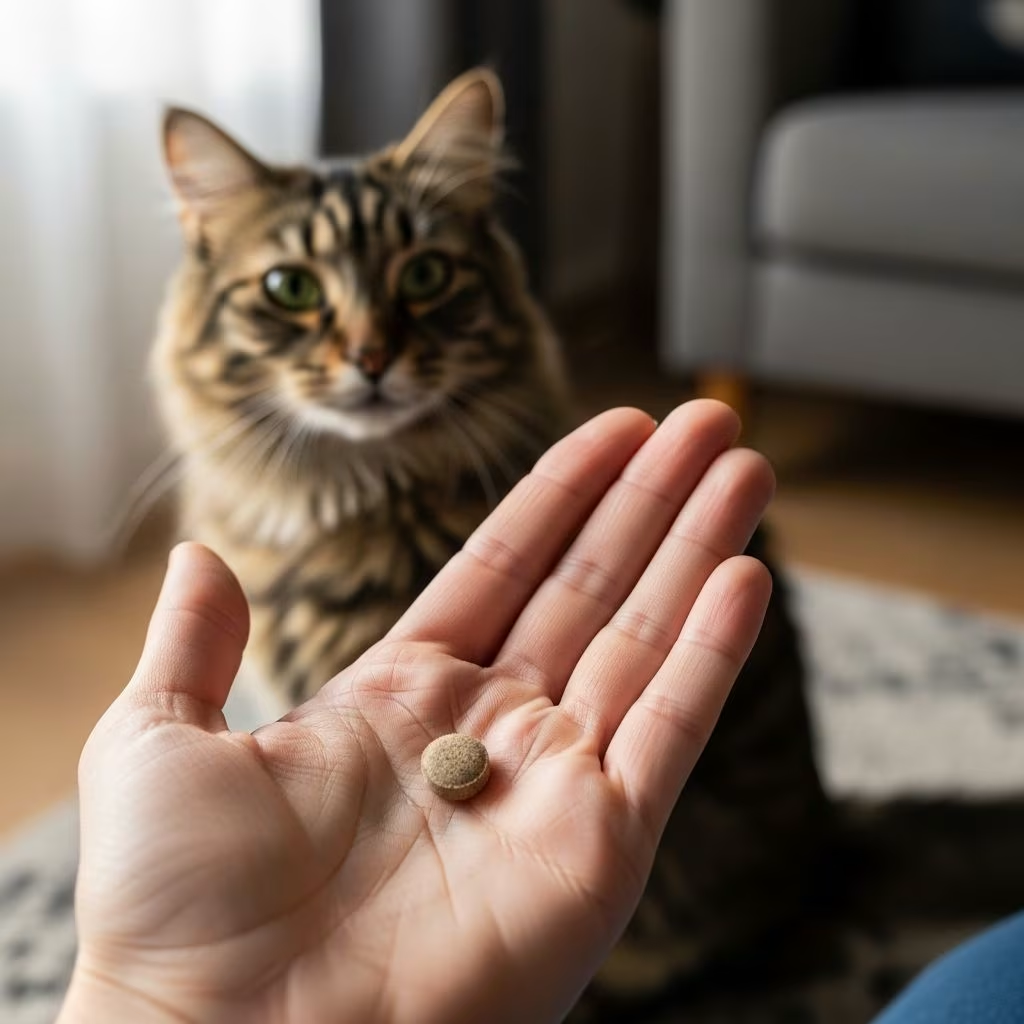
Spinosad comes in tablet form, making administration straightforward for most pet owners. The tablets are given orally, meaning they should be placed in your pet’s mouth or hidden in food. This oral delivery method offers a significant advantage over topical treatments, particularly for pets who may resist handling or for multi-pet households where cross-contamination could be a concern.
Administration with Food
One of the key advantages of spinosad tablets is their flexibility regarding food intake. This medication may be given with or without food. However, if your animal vomits or acts sick after receiving the drug on an empty stomach, try giving the next dose with food or a small treat. This flexibility allows pet owners to find the administration method that works best for their individual pet.
Treatment Duration
It is crucial to give this medication to your pet for the entire time prescribed by your veterinarian, even if it appears that your pet is feeling better. Completing the full course of treatment ensures maximum effectiveness and helps prevent flea reinfestation. Premature discontinuation could allow surviving fleas to reproduce and reestablish an infestation.
Onset of Action
Pet owners should understand that this medication should start to take effect within 4–8 hours, though outward signs may not be noticeable immediately. Patience is important during the first day of treatment, as the clinical improvements in skin lesions and flea burden may take several days to become apparent.
Potential Side Effects
Common Side Effects
While spinosad is generally well-tolerated, certain side effects may occur in some pets. Common side effects include vomiting, loss of appetite, and diarrhea. Additionally, some pets may experience drooling or itching. These mild side effects typically resolve without intervention and should not cause significant concern.
Neurological Side Effects
Some pets may experience trembling, loss of energy, or other neurological effects. These symptoms are usually mild and temporary, but should be monitored. If you notice these symptoms intensifying or not resolving within a day or two, contact your veterinarian.
Rare But Serious Side Effects
Although rare, some serious side effects can occur and require immediate veterinary attention. If your pet experiences an allergic reaction such as irregular breathing, rash, fever, puffiness and swelling around the face, you should contact your veterinarian immediately. Similarly, stumbling, incoordination, or weakness warrant immediate professional evaluation. Seizures or convulsions are the most serious potential side effects and represent a medical emergency requiring immediate veterinary care.
Safety Profile in Clinical Studies
Clinical research supports the safety of spinosad when used as directed. In one study of naturally infested cats, no adverse events were recorded during the treatment period. The research noted that vomiting had been reported in only 14% of cats in a large field trial, indicating good overall tolerability. This excellent safety profile, combined with high efficacy, makes spinosad a preferred choice for many veterinarians.
Drug Interactions and Medication Considerations
Certain medications should be used with caution when given with spinosad. Ivermectin, a common antiparasitic medication, should not be combined with spinosad without veterinary supervision. Additionally, drugs affected by P-glycoprotein inhibitors, such as cyclosporine, ketoconazole, and loperamide, may interact with spinosad.
Be sure to tell your veterinarian about any medications (including vitamins, supplements, or herbal therapies) that your pet is taking before starting any new treatment. This comprehensive disclosure helps your veterinarian identify potential interactions and adjust treatment plans accordingly to ensure your pet’s safety.
Monitoring Your Pet During Treatment
Your veterinarian may schedule follow-up visits to ensure this is the right medication for the condition present. Follow your veterinarian’s directions regarding these appointments, as they allow professionals to assess treatment effectiveness and make adjustments if necessary.
At home, monitor for any abnormal changes in your pet’s behavior, appetite, energy level, or physical condition. If any concerning changes occur, discontinue the medication and contact your veterinarian. Prompt reporting of adverse effects helps ensure your pet receives appropriate care and allows your veterinarian to adjust the treatment plan if needed.
Storage and Safety Instructions
Proper Storage
Store the medication in its original container, protected from light, at room temperature. Proper storage maintains the medication’s effectiveness and stability. Never transfer spinosad tablets to unmarked containers, as this could lead to accidental overdosing or administration errors.
Safety Precautions
Keep medication out of reach of children and pets. Spinosad tablets should be stored in a secure location where curious pets or children cannot access them. Accidental ingestion of multiple tablets could lead to overdosing and serious adverse effects.
Spinosad for Different Pet Populations
Indoor Pets
Indoor pets can benefit significantly from spinosad therapy. Research demonstrates that flea treatment should not be neglected in indoor animals, as they can become infested despite living exclusively indoors. Indoor cats with flea allergy dermatitis showed marked clinical improvement with spinosad treatment, with skin lesion scores improving dramatically over the treatment period.
Pets with Flea Allergy Dermatitis
Spinosad is particularly valuable for pets with flea allergy dermatitis (FAD), a condition where even small numbers of fleas can trigger severe allergic reactions. The rapid action of spinosad is adequate in FAD animals because a fast-acting product decreases the total duration of the meals, thereby reducing the amount of saliva injected and consequently minimizing the allergenic stimulus. Clinical improvement in FAD lesions may take several weeks even after adult fleas are eliminated, as the skin recovers from the allergic inflammation.
Comparison with Other Flea Control Options
Spinosad can be used as a standalone flea treatment or in combination with other antiparasitic agents. For example, milbemycin oxime combined with spinosad (marketed as Trifexis®) provides heartworm disease prevention and controls internal parasites while also addressing fleas. This combination approach offers comprehensive parasite protection for dogs requiring multiple types of parasitic control.
Systemic products like spinosad offer advantages over topical treatments in certain situations. Systemic products can be considered as the type of product of choice because the active ingredient is at a sufficient concentration despite overgrooming or a lesional skin. This is particularly important for pets with severe skin lesions who may groom excessively or whose damaged skin might compromise the effectiveness of topical treatments.
Frequently Asked Questions About Spinosad
Q: Can spinosad be given to puppies and kittens?
A: Spinosad dosing is typically calculated as 50–75 mg/kg and has been demonstrated to be very well tolerated when given orally to naturally infested adult cats. However, you should consult with your veterinarian about appropriate dosing for younger animals, as age-specific dosing recommendations may apply.
Q: How long does it take for spinosad to kill fleas?
A: Spinosad should start to take effect within 4–8 hours of administration, though visible results may not be apparent immediately. Complete flea elimination and resolution of associated skin symptoms may take several weeks.
Q: Is spinosad safe for pregnant or nursing pets?
A: Safety during pregnancy and lactation should be discussed with your veterinarian before starting treatment. Your veterinarian can assess the risks and benefits for your individual pet.
Q: What should I do if my pet vomits after taking spinosad?
A: If your pet vomits on an empty stomach, try administering the next dose with food or a small treat. If vomiting continues despite this adjustment, contact your veterinarian immediately, as this may indicate a need to discontinue the medication or try an alternative treatment.
Q: Can spinosad be used long-term?
A: Treatment duration should be determined by your veterinarian based on your pet’s specific condition and needs. Your veterinarian will provide specific instructions regarding how long your pet should continue taking spinosad.
Q: Are there any age restrictions for spinosad use?
A: Age-specific recommendations should be discussed with your veterinarian. While spinosad has been safely used in adult pets, specific guidelines for young animals should be confirmed with a veterinary professional.
Conclusion
Spinosad represents an effective, well-tolerated oral antiparasitic option for flea control in dogs and cats. Its rapid action, high efficacy rate, and favorable safety profile make it an excellent choice for pet owners seeking reliable flea treatment. The oral tablet form offers convenience and flexibility in administration, and the medication’s effectiveness extends beyond simple flea elimination to include significant improvement in flea allergy dermatitis symptoms. By understanding how to properly administer spinosad, what side effects to watch for, and how to store the medication safely, pet owners can maximize the benefits of this valuable treatment option. Always follow your veterinarian’s specific instructions regarding dosing, duration of treatment, and monitoring, and report any concerning symptoms promptly. With proper use, spinosad can help keep your beloved pet comfortable and flea-free.
References
- Efficacy of Spinosad Tablets Administered to a Colony of 15 Indoor Cats (Felis catus) Naturally Infested with Fleas — National Center for Biotechnology Information (NCBI). 2014-02-01. https://pmc.ncbi.nlm.nih.gov/articles/PMC4060565/
- Spinosad – VCA Animal Hospitals — VCA Animal Hospitals. 2025. https://vcahospitals.com/know-your-pet/spinosad
- Highlights of Prescribing Information: Spinosad Topical Suspension — Spinosad Rx. 2021-04-28. https://www.spinosadrx.com/



