

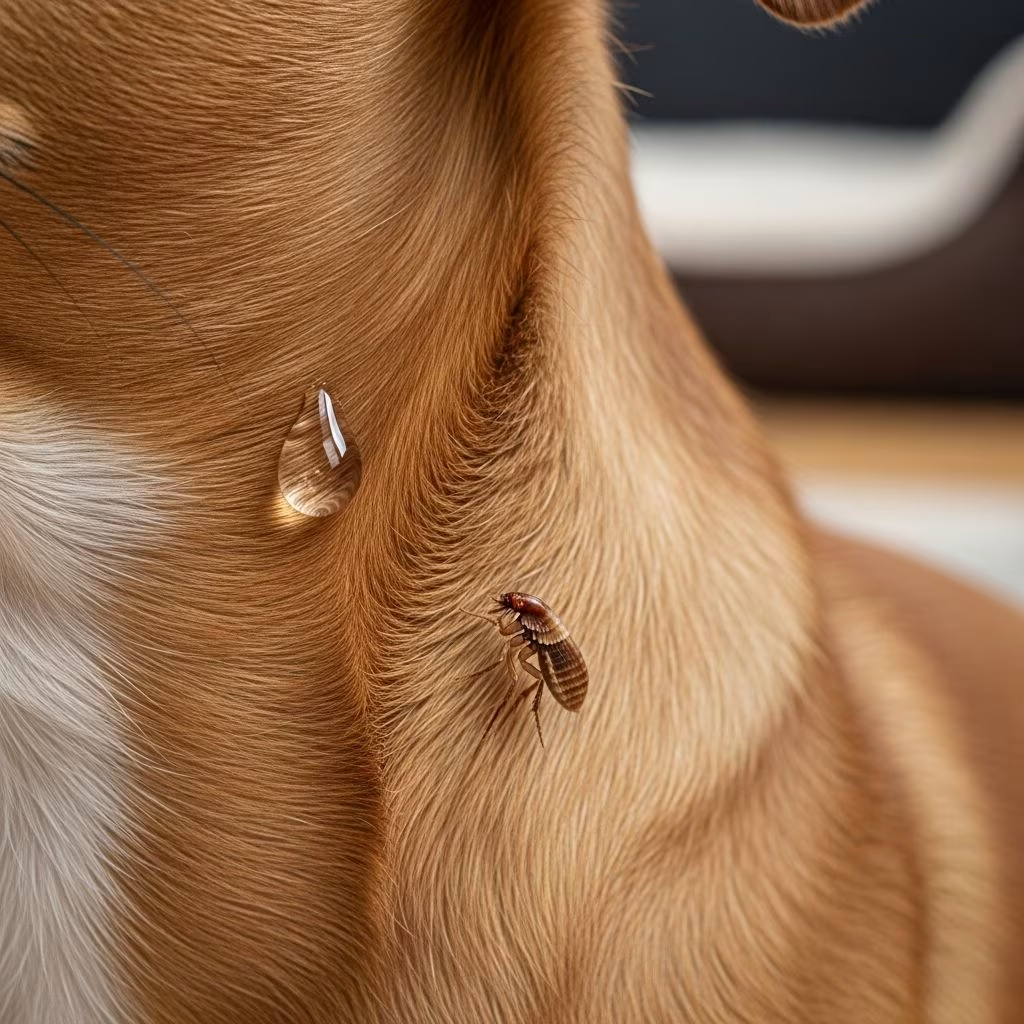
Flea infestations remain one of the most common parasitic challenges facing dog owners today. While numerous treatment options exist in the marketplace, spinosad has emerged as a popular prescription medication for managing flea populations in dogs. This oral medication, sold under the brand name Comfortis, represents an important advancement in veterinary parasitology. Understanding how spinosad functions, its appropriate use, potential side effects, and safety considerations can help dog owners make informed decisions about their pet’s flea prevention and treatment strategies.
What Exactly Is Spinosad and How Does It Function?
Spinosad is classified pharmacologically as a macrocyclic lactone flea adulticide, meaning it targets adult fleas through a specific mechanism of action. The medication works by disrupting the nervous system of adult fleas, leading to rapid paralysis and death. From a chemical perspective, spinosad derives from naturally occurring compounds found in soil bacteria, which gives it a somewhat unique origin story compared to some synthetic alternatives available in the market.
The speed of action is one of spinosad’s most notable characteristics. When administered to a dog, the medication begins eliminating fleas within approximately 30 minutes of ingestion. Complete flea mortality typically occurs within 4 to 8 hours after administration. This rapid action provides relief to dogs suffering from flea-related itching and discomfort relatively quickly compared to some alternative treatments.
The medication’s mechanism involves oral administration, allowing it to be absorbed through the gastrointestinal tract and distributed throughout the body. Interestingly, spinosad concentrates in the sebaceous glands of the skin, where it remains active for approximately 30 days. This characteristic allows for once-monthly dosing schedules, making compliance more practical for busy pet owners who might struggle with more frequent treatment protocols.
Approved Uses and Parasitic Coverage
The FDA has approved spinosad specifically for the prevention and treatment of flea infestations in both dogs and cats. It is important to note that spinosad is not approved for tick control, despite its effectiveness against fleas. Dogs with tick infestations requiring treatment will need alternative medications or combination products.
Spinosad’s flea-targeting capabilities extend to several flea species commonly found on dogs, including the cat flea (Ctenocephalides felis), the dog flea (Ctenocephalides canis), the human flea (Pulex irritans), and the rat flea (Xenopsylla cheopis). Additionally, the medication shows efficacy against certain mite species, making it useful for dogs suffering from mite-related parasitic conditions.
The medication does not provide protection against internal parasites such as intestinal worms or heartworms. Pet owners requiring comprehensive parasite management should discuss additional preventive medications with their veterinarian. Some manufacturers offer combination products that pair spinosad with other active ingredients like milbemycin oxime to provide broader-spectrum parasite protection.
Age, Weight, and Eligibility Requirements for Canine Patients
Not all dogs are appropriate candidates for spinosad therapy. The FDA has established specific age and weight requirements to ensure medication safety. Dogs must be at least 14 weeks of age and weigh a minimum of 5 pounds (2.2 kilograms) to receive spinosad as a standalone product. Some veterinary sources indicate slightly lower weight thresholds of 3.3 pounds for certain formulations, so pet owners should verify the specific requirements for their prescribed medication.
These age and weight restrictions exist because safety data in younger or smaller animals remains limited. Puppies below 14 weeks of age may have immature liver and kidney function, potentially affecting how their bodies process and eliminate the medication. Dogs weighing less than the minimum threshold might receive disproportionately high drug concentrations relative to their body mass.
Combination products containing spinosad and milbemycin oxime may have different age requirements. These products are sometimes approved for dogs as young as 8 weeks of age, provided they weigh at least 5 pounds. Pet owners should always confirm eligibility requirements with their veterinarian before administering any medication.
Dosing Guidelines and Administration Instructions
Spinosad is available as a beef-flavored chewable tablet in various sizes calibrated to different dog weights. The beef flavoring encourages voluntary consumption, though some dogs may require the tablet to be given by hand or placed directly in the mouth. The correct formulation for the specific animal species is essential—dog tablets should never be substituted for cat tablets due to dosage differences.
The standard dosing schedule involves administering one chewable tablet every 30 days (once monthly) without interruption for optimal flea control. Consistency with this schedule is important, as gaps in treatment can allow flea populations to reestablish themselves.
Proper administration technique can significantly impact medication effectiveness and tolerability:
- Spinosad must be given with food or immediately after the pet consumes a meal
- Ensure the entire tablet is consumed by the dog
- If the dog vomits within one hour of receiving the medication, a full replacement dose should be administered
- Crushing the tablet and mixing it with food may improve palatability for dogs resistant to chewable tablets
- Breaking the tablet in half and administering each portion 12 hours apart can reduce vomiting incidence
Precise dosing based on the dog’s current weight is critical to avoid overdosing. Pet owners should weigh their dogs before each monthly administration, as weight changes can affect appropriate dosage selection.
Potential Side Effects and Adverse Reactions
While spinosad is generally well-tolerated in the canine population, side effects can occur in some individuals. Understanding these potential reactions helps pet owners recognize problems quickly and contact their veterinarians if concerning symptoms develop.
Common Side Effects: The most frequently reported side effect is vomiting. During initial FDA approval testing, approximately 12% of dogs vomited after receiving spinosad for the first time, with an additional 5% experiencing reduced appetite and another 5% developing diarrhea. These gastrointestinal effects typically resolve without intervention but can be minimized through proper administration with food.
Other commonly observed side effects include:
- Diarrhea or loose stools
- Weight loss
- Lack of energy or lethargy
- Scratching or itching (paradoxically, this can occur as parasites die and release allergens)
- Excessive drooling
Serious Adverse Effects: While rare, serious side effects can occur. These represent medical emergencies requiring immediate veterinary attention. Pet owners should contact their veterinarian or emergency clinic if their dog experiences seizures, severe allergic reactions, respiratory distress, or collapse.
Special Precautions and Contraindications
Certain medical conditions and circumstances warrant special consideration before administering spinosad. Dogs with a history of seizure disorders (epilepsy) should use spinosad only with extreme caution, as the medication may lower seizure thresholds in susceptible individuals. Pet owners with epileptic dogs should discuss safer alternatives with their veterinarians.
The medication should not be used in dogs with known allergies to spinosad itself. Additionally, dogs with pork or soy allergies require careful consideration, as these ingredients may be present in tablet formulations.
Spinosad should not be administered to dogs receiving high doses of ivermectin, a medication used to treat certain parasitic and skin conditions. The combination can increase the risk of serious adverse effects. Pet owners must inform their veterinarians of all medications, supplements, and herbal products their dogs are taking.
Breeding, pregnant, and nursing dogs should receive spinosad only when specifically recommended by a veterinarian, as safety data in these populations remains limited. The medication’s effects on developing puppies or nursing offspring have not been fully characterized.
Potential Drug Interactions and Medication Considerations
Multiple medications taken concurrently can sometimes alter how individual drugs function or increase the risk of adverse effects. Pet owners should always inform their veterinarians about any prescription medications, over-the-counter drugs, vitamins, minerals, herbal products, or supplements their dogs are receiving.
Several medications have documented or potential interactions with spinosad:
- Ivermectin (especially at extra-high doses)
- Cyclosporine (an immunosuppressant medication)
- Ketoconazole (an antifungal medication)
- Loperamide (an anti-diarrheal medication)
This list may not be comprehensive. Veterinarians have access to comprehensive drug interaction databases and can identify potential concerns specific to each patient’s medication profile.
Monitoring and Follow-Up Care
After beginning spinosad treatment, pet owners and their veterinarians should work together to monitor both the medication’s effectiveness and any adverse reactions. Signs of successful flea control include decreased numbers of live adult fleas on the dog, reduced itching and scratching behaviors, and improved skin condition.
Veterinarians may recommend follow-up appointments to assess treatment response, particularly if dogs are experiencing significant itching or skin lesions from previous flea exposure. Photographic documentation of affected areas can help track healing progress across multiple weeks.
Dogs should be rechecked if side effects persist beyond the first few doses or if new symptoms develop. Some dogs may require dose adjustments or medication switches if they experience unacceptable side effects despite proper administration technique.
Comparison to Alternative Flea Control Methods
| Treatment Type | Administration Method | Frequency | Flea Efficacy | Tick Coverage |
|---|---|---|---|---|
| Spinosad (Comfortis) | Oral chewable tablet | Monthly | 30-minute onset | Not approved |
| Topical treatments | Applied to skin | Monthly | Variable by product | Many options available |
| Injectable flea prevention | Veterinary injection | Every 6-12 months | Excellent | Some products included |
| Flea collars | Worn around neck | Variable | Variable | Some newer products effective |
Frequently Asked Questions About Spinosad
Is spinosad available without a prescription?
No. Spinosad is a prescription-only medication available exclusively through veterinarians or veterinary pharmacies with a valid doctor-patient relationship. It cannot be purchased at retail outlets without proper veterinary authorization.
How quickly does spinosad kill fleas?
Fleas begin dying within 30 minutes of spinosad administration, with complete flea mortality occurring within 4 to 8 hours.
Can spinosad be used for tick prevention?
No. Spinosad is not FDA-approved for tick control. Dogs requiring tick protection need alternative medications or combination products containing spinosad with other active ingredients.
What should I do if my dog vomits after taking spinosad?
If vomiting occurs within one hour of administration, the full dose should be repeated. If vomiting persists with subsequent doses, contact the veterinarian about alternative formulations or medications.
Is spinosad safe for puppies?
Spinosad is approved only for dogs 14 weeks of age or older weighing at least 5 pounds. Younger or smaller puppies require alternative flea control methods.
Can spinosad be used alongside other flea treatments?
Concurrent use of multiple flea medications should be avoided unless specifically recommended by a veterinarian. Using spinosad with certain other products may increase adverse effect risks.
References
- Spinosad — Mar Vista Animal Medical Center — Mar Vista Animal Medical Center. Accessed February 2026. https://www.marvistavet.com/spinosad.pml
- Spinosad (Comfortis) for Dogs and Cats — WebMD. Accessed February 2026. https://www.webmd.com/pets/pet-meds/spinosad-comfortis-dogs-cats
- Oral Dosage Form New Animal Drugs; Spinosad — Federal Register, U.S. General Services Administration. October 25, 2007. https://www.federalregister.gov/documents/2007/10/25/E7-21058/oral-dosage-form-new-animal-drugs-spinosad
- Spinosad Prescription Label and Guidelines — Dog Cat Doc Veterinary Resources. October 2023. https://dogcatdoc.com/wp-content/uploads/2023/10/VMG-Spinosad-COMFORTIS.pdf
- Spinosad Chews for Dogs and Cats 2-5lbs — HomeLab Veterinary. Accessed February 2026. https://homelabvet.com/product/spinosad_13_25/



