

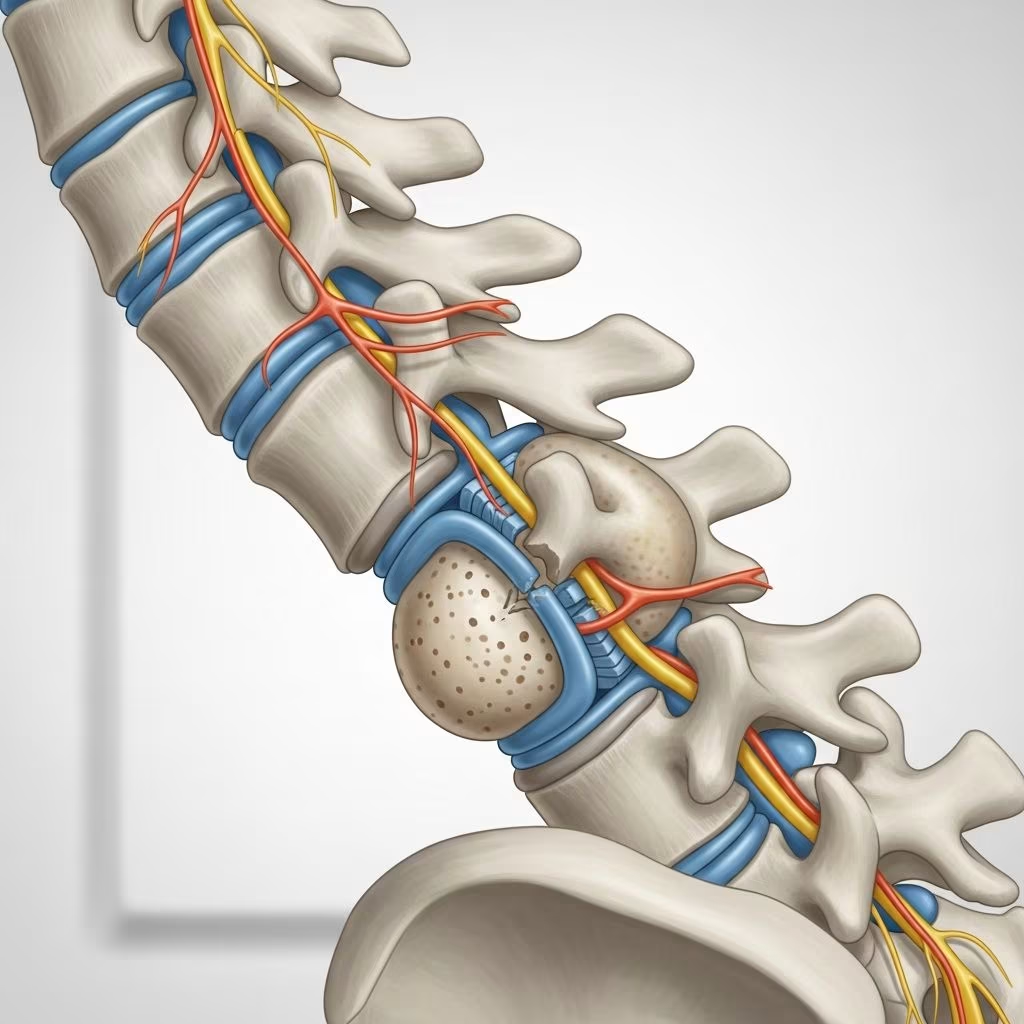
Spinal cord disorders in cats can significantly impact mobility and quality of life, arising from various causes like trauma, degenerative conditions, or infections. Early recognition of symptoms and prompt veterinary intervention are crucial for improving outcomes.
Understanding the Feline Spinal Structure
The spinal cord runs through the vertebral column, protected by bones that allow flexibility for jumping and running. In cats, this system is vital for coordination and sensation. Disruptions, such as compression or inflammation, can lead to pain, weakness, or paralysis. Unlike dogs, cats experience these issues less frequently but often present with acute symptoms requiring immediate attention.
Primary Causes of Spinal Problems
Several factors contribute to spinal cord dysfunction in felines. Trauma from falls or car accidents is common, causing fractures or luxations that compress the cord. Intervertebral disc disease (IVDD), though rarer in cats than dogs, involves disc material herniating into the spinal canal, leading to sudden pain and limb dysfunction. Infections like feline infectious peritonitis (FIP) or bacterial abscesses inflame the meninges, while tumors such as lymphosarcomas exert pressure on neural tissue. Vascular events, including fibrocartilaginous embolism (FCE), block blood flow, mimicking stroke-like symptoms.
- Traumatic Injuries: High-impact events displace vertebrae, demanding stabilization.
- Degenerative Conditions: Age-related wear leads to disc extrusion, especially in breeds with genetic predispositions.
- Inflammatory Diseases: Viral or bacterial invasions cause swelling and cord damage.
- Neoplastic Growths: Cancers progressively impair function.
Recognizing Warning Signs
Owners should watch for behavioral changes indicating spinal distress. Cats may exhibit a hunched posture, reluctance to jump, or vocalize in pain when touched along the back. Weakness in hind limbs, dragging paws, or sudden paralysis signal severe involvement. Loss of bladder control, manifested as dribbling urine, or tail flaccidity points to deep pain sensation deficits. Muscle spasms, trembling, or fever accompany inflammatory cases.
| Symptom | Location | Severity Indicator |
|---|---|---|
| Pain on palpation | Neck or back | Mild to moderate |
| Hind limb ataxia | Thoracolumbar region | Moderate |
| Paraplegia | Cauda equina | Severe |
| Incontinence | Any level | Critical |
Diagnostic Approaches
Veterinarians start with a thorough neurological exam, assessing gait, reflexes, and nociception. Radiographs reveal fractures or misalignments, but advanced imaging like MRI or CT is essential for soft tissue evaluation, pinpointing disc herniations or tumors. Cerebrospinal fluid analysis detects infections, while bloodwork rules out systemic issues. These steps guide whether conservative or surgical paths are appropriate.
Conservative Management Strategies
For mild cases without instability, rest in a confined space for 4-6 weeks prevents further injury. Anti-inflammatory drugs like corticosteroids reduce swelling, while analgesics control pain. Muscle relaxants such as methocarbamol or diazepam ease spasms. Supportive care includes bladder expression, skin hygiene, and physiotherapy to maintain muscle tone.
- Strict crate rest to limit movement.
- Pharmacotherapy for inflammation and spasms.
- Passive range-of-motion exercises.
Surgical Interventions
Severe compression or instability necessitates surgery. Procedures like hemilaminectomy remove disc material or bone, decompressing the cord. Early intervention, ideally within 24-48 hours, enhances recovery odds. Post-op, cats require intensive nursing, including wound care and monitoring for complications.
Studies indicate surgical cats regain ambulation faster than conservatively managed ones, particularly with thoracolumbar lesions.
Rehabilitation and Long-Term Care
Post-treatment rehab accelerates healing. Hydrotherapy builds strength without weight-bearing stress, while laser therapy reduces inflammation. Acupuncture offers pain relief in chronic cases. Owners must commit to gradual reintroduction to activity, preventing relapses.
Prognosis Factors
Outcomes vary by cause and timeliness. Traumatic fractures with preserved deep pain sensation yield 80-90% recovery with surgery. IVDD mild cases resolve with rest, but paraplegic cats face guarded prognoses without intervention. Inflammatory conditions depend on the pathogen; FIP remains poor. Ongoing monitoring detects recurrences.
| Condition | Good Prognosis Criteria | Poor Prognosis Indicators |
|---|---|---|
| IVDD | Mild paresis, early surgery | Paralysis >48hrs, no nociception |
| Trauma | Intact pain sensation | Severe displacement, hypoxemia |
| Infection | Responsive to antibiotics | FIP confirmation |
Preventive Measures for Cat Owners
Minimize high falls by securing windows and balconies. Maintain ideal weight to reduce disc strain. Regular vet checkups catch early degeneration. Avoid rough play that risks trauma. Nutrition with joint-supportive supplements may aid resilience, though evidence is anecdotal.
Frequently Asked Questions
Can cats recover from paralysis?
Yes, many do with prompt surgery and rehab, especially if pain sensation persists.
Is IVDD common in cats?
Rarer than in dogs, but possible, often acutely.
What home care helps during recovery?
Crate confinement, manual bladder support, and gentle massages.
How much does spinal surgery cost?
Varies widely; consult vets for estimates based on diagnostics.
Are certain breeds prone?
No strong breed links in cats, unlike chondrodystrophic dogs.
Emerging Therapies
Research explores stem cells and neuroprotective agents, but basics like decompression remain gold standard. Physiotherapy integration improves functional scores.
This overview equips owners to act swiftly on spinal signs, potentially saving their cat’s mobility. Consult professionals for tailored advice.
References
- Slipped Disc, Bad Back, and Muscle Spasms in Cats — PetMD. 2023. https://www.petmd.com/cat/conditions/neurological/c_ct_intervertebral_disc_disease
- Acute Spinal Cord Injury in the Cat: Causes, Treatment and Prognosis — PMC (NCBI). 2024-03-15. https://pmc.ncbi.nlm.nih.gov/articles/PMC10911291/
- Diagnosing Cat Neurological Disorder and Treatment Options — Yaleville Veterinary Hospital. 2022. https://yalesvillevet.com/blog/diagnosing-cat-neurological-disorder-and-treatment-options/
- What Is Intervertebral Disc Disease (IVDD) in Cats? — ASPCA Pet Insurance. 2023. https://www.aspcapetinsurance.com/resources/ivdd-in-cats/
- Spinal Injuries in Cats — 1st Pet Veterinary Centers. 2024. https://1stpetvet.com/pet-health-information/spinal-injuries-in-cats-1st-pet-veterinary-centers/
- Neurological Disorders — Cornell University College of Veterinary Medicine. 2023-01-01. https://www.vet.cornell.edu/departments-centers-and-institutes/cornell-feline-health-center/health-information/feline-health-topics/neurological-disorders



