

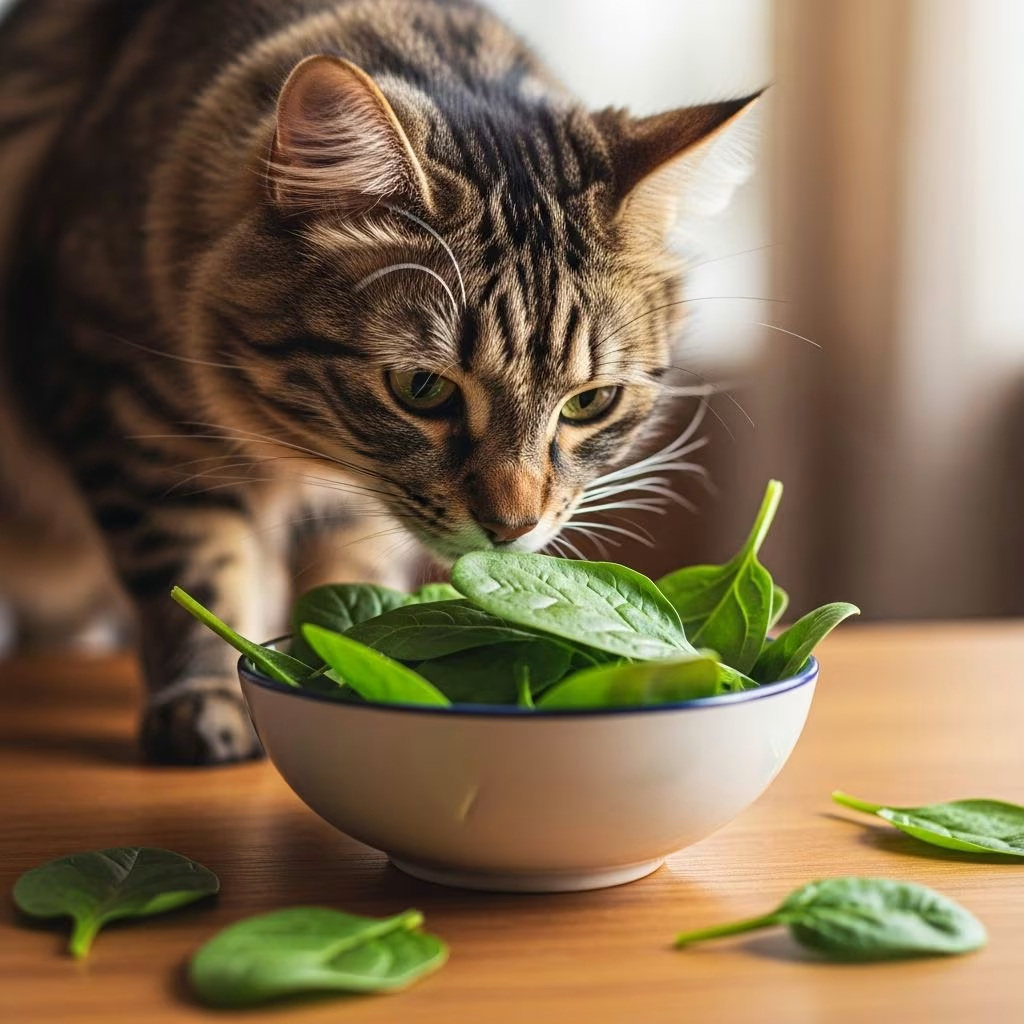
Spinach is widely celebrated as a nutritional powerhouse in human diets, and pet owners often wonder whether their feline companions can benefit from this leafy green as well. The straightforward answer is that most healthy cats can consume spinach in moderation, though it should never become a dietary staple. Understanding the nuances of spinach consumption for cats requires examining both its potential advantages and the risks that come with feeding it to your pet.
Understanding Your Cat’s Nutritional Requirements
Before introducing any new food into your cat’s diet, it is essential to recognize that cats are obligate carnivores. This means their bodies are physiologically adapted to derive most of their nutritional needs from animal proteins rather than plant-based sources. Unlike omnivorous pets, cats have specific requirements for essential amino acids, particularly taurine, which they obtain most efficiently from meat.
While cats can technically digest certain plant materials, their gastrointestinal systems are optimized for processing meat. High-quality commercial cat foods are formulated to meet all of your cat’s dietary requirements without supplementation from fruits or vegetables. This fundamental understanding helps contextualize why spinach, despite its nutritional content, is not necessary for your cat’s wellbeing.
Nutritional Composition and Potential Benefits
Spinach does contain several vitamins and minerals that have biological importance. Examining what spinach offers can help pet owners make informed decisions about whether to introduce it as an occasional treat.
This leafy green contains multiple beneficial compounds:
- Vitamin A: Supports vision and maintains the health of your cat’s eyes and immune system
- Vitamin C: Functions as an antioxidant and assists in tissue repair processes
- Vitamin K: Essential for proper blood clotting and supports skeletal health
- Iron: Necessary for the production of red blood cells and oxygen transport
- Fiber: May promote digestive function when introduced in very small quantities
- Beta-carotene: Converted by the body into vitamin A for additional ocular health benefits
Additionally, spinach contains antioxidants and phytonutrients that theoretically could provide some health benefits. Some pet owners believe that offering spinach as an occasional treat may provide mental stimulation or enrichment through exposure to different textures and tastes.
The Oxalate Concern: Key Risks to Monitor
While spinach contains valuable nutrients, it also contains compounds that pose potential health risks to cats, particularly those with pre-existing conditions. The primary concern for veterinarians and pet nutritionists is the presence of calcium oxalate in spinach.
Calcium oxalate is a naturally occurring compound found in many vegetables. When consumed, oxalates can bind with calcium in the body and form crystals or stone-like structures. In cats, these crystals may accumulate in the urinary tract, potentially leading to serious complications. Cats with genetic predispositions to urinary tract issues are at elevated risk when consuming foods high in oxalates.
The concentration of oxalates varies depending on how the spinach is prepared. Raw spinach contains significantly higher levels of calcium oxalate compared to cooked spinach. Cooking can reduce the bioavailability of oxalates, making cooked spinach a relatively safer option if you choose to offer it to your cat.
For a healthy cat without any pre-existing urinary or kidney conditions, consuming a tiny amount of spinach occasionally presents minimal risk. However, cats with a history of urinary tract infections, kidney disease, or bladder stones should avoid spinach entirely due to the potential for exacerbating their condition.
Comparing Preparation Methods
How you prepare spinach for your cat significantly impacts both its safety and digestibility. Different preparation methods affect oxalate content and palatability.
| Preparation Method | Oxalate Level | Safety for Cats | Notes |
|---|---|---|---|
| Raw spinach | Highest | Least safe | Contains maximum oxalate concentration; avoid for cats with urinary issues |
| Steamed spinach | Lower | Safer option | Reduces oxalate bioavailability while preserving some nutrients |
| Boiled spinach | Lowest | Safest option | Significantly reduces oxalates; offer only plain spinach without added salt or seasonings |
| Spinach with seasoning | Variable | Not recommended | Added salt, garlic, or onion can be harmful to cats |
When offering spinach to your cat, always prepare it plainly without any added seasonings, oils, or salt. Many flavor additives commonly used in human food preparation can be harmful to felines. Garlic and onion, in particular, are toxic to cats and can cause serious digestive and health issues.
Appropriate Portion Sizes and Frequency
If you decide to offer spinach to your healthy cat, understanding proper portion sizes is crucial. A teaspoon of plain, cooked spinach constitutes an appropriate single serving for a cat. This minimal amount provides negligible nutritional benefit while keeping risk factors low.
Frequency matters as much as portion size. Spinach should be considered an occasional treat, not a regular dietary component. Once weekly or less frequently is a reasonable guideline for offering spinach to your cat. This approach ensures that spinach never displaces more nutritionally dense and appropriate foods from your cat’s diet.
Some commercial cat food manufacturers do include spinach as an ingredient in their formulations. When spinach is incorporated into balanced, complete cat foods, the amounts used are carefully controlled to ensure safety while maintaining nutritional balance. Reading ingredient lists and consulting with your veterinarian about commercially available cat foods containing spinach can help you make informed choices.
Identifying Warning Signs and Health Indicators
Observing your cat’s behavior and health status after introducing any new food is fundamental to responsible pet ownership. Knowing which symptoms warrant concern helps you respond quickly if problems develop.
If your cat has consumed spinach, monitor for these warning signs that may indicate complications:
- Changes in urination patterns: Difficulty urinating, decreased urination, or frequent attempts to urinate outside the litter box
- Bloody or discolored urine: May indicate urinary tract irritation or stone formation
- Vomiting: Can result from digestive upset or urinary blockages causing systemic issues
- Lethargy: Unusual tiredness or lack of interest in normal activities
- Loss of appetite: Reluctance to eat or decreased food consumption
- Abdominal pain: Crouching in uncomfortable positions or signs of pain when touched
- Straining: Excessive effort during litter box visits
If you observe any of these symptoms after your cat eats spinach, contact your veterinarian promptly. Even if symptoms seem minor, urinary tract issues in cats can escalate quickly and require professional medical intervention.
Special Considerations for at-Risk Cats
Certain cats face significantly higher risks from spinach consumption due to their health status or genetic factors. Identifying whether your cat falls into this category is essential for making appropriate feeding decisions.
Cats with the following conditions should strictly avoid spinach:
- History of urinary tract infections
- Kidney disease or reduced kidney function
- Previous or current bladder stones
- Diabetes mellitus
- Hyperthyroidism
- Any metabolic condition affecting mineral balance
Additionally, some cat breeds show genetic predispositions to urinary conditions. Male cats, in general, experience urinary tract issues more frequently than females due to anatomical differences. If your cat belongs to a breed known for kidney problems or if you have any uncertainty about your cat’s health status, consult your veterinarian before offering any spinach.
Safe Alternatives to Consider
If you want to provide your cat with vegetables or plant-based treats, several options present fewer risks than spinach. Cats.org.uk indicates that various vegetables can be safer choices for feline enrichment.
Consider these alternatives that may be safer for your cat:
- Carrots: Provide fiber and can help with dental health through chewing
- Peas: Low in oxalates and generally well-tolerated in small amounts
- Corn: Can be offered occasionally, though cats derive minimal nutritional value
- Broccoli: Low oxalate content, though introduce with caution as some cats experience digestive upset
Even with safer vegetables, remember that moderation remains essential. These should never comprise more than 10% of your cat’s total daily caloric intake.
Consulting With Your Veterinarian
Before making any significant changes to your cat’s diet, including introducing spinach or other new foods, consulting with your veterinarian is the most responsible course of action. Your vet understands your individual cat’s health history, genetic factors, and current health status better than any general dietary guide.
During a veterinary consultation about diet, come prepared with specific questions: Is spinach appropriate for my cat? What portion size is safe? How frequently can I offer it? What warning signs should I watch for? Your veterinarian can provide personalized recommendations based on your cat’s unique circumstances and health profile.
Frequently Asked Questions
Can kittens eat spinach?
Kittens have even more restrictive dietary needs than adult cats as they are developing and growing. It is best to avoid offering spinach to kittens and focus exclusively on kitten-formulated foods and appropriate treats designed for their developmental stage. Their systems are more sensitive to imbalances in calcium and oxalate ratios.
Is baby spinach safer than mature spinach?
Baby spinach typically contains similar oxalate concentrations to mature spinach, though individual samples may vary slightly. The difference in oxalate content between baby and mature spinach is negligible for practical purposes. If offering any spinach, apply the same safety protocols regardless of spinach type.
Can cats eat spinach juice or smoothies?
Spinach juice or smoothies are not recommended for cats. These preparations often contain added sugars, dairy products like yogurt, or other ingredients that may upset your cat’s digestive system. Stick with plain, cooked spinach if you choose to offer it at all.
What if my cat ate spinach from my garden?
If your cat consumed spinach from your garden, monitor carefully for the warning signs listed earlier. If only a small amount was consumed and your cat shows no symptoms within 24-48 hours, the situation likely warrants only observation. However, if your cat has pre-existing urinary issues or if a large quantity was consumed, contact your veterinarian for guidance.
Are there other leafy greens toxic to cats?
Yes, some leafy greens are genuinely toxic to cats and should be completely avoided. According to Cats.org.uk, garlic and onion are particularly dangerous as they can damage red blood cells and cause serious illness. Always verify that any plant material is safe before offering it to your cat.
Final Recommendations
Spinach is neither toxic nor poisonous to most healthy cats when offered in extremely small quantities as an occasional treat. However, it offers no essential nutritional benefit that cannot be better obtained from high-quality commercial cat foods. The potential risks, particularly for cats with urinary sensitivities, outweigh the minimal benefits for most households.
If your cat enjoys the taste or texture of spinach and has no pre-existing health conditions, offering a tiny amount of plain, cooked spinach once weekly or less frequently is unlikely to cause harm. However, if your cat shows any signs of illness or has any health concerns, exclude spinach from their diet entirely.
The most important aspect of cat nutrition is ensuring your pet receives a complete, balanced, and species-appropriate diet formulated specifically for feline needs. Commercial cat foods meeting AAFCO standards provide all necessary nutrients. Any treats or supplementary foods should enhance your relationship with your cat without compromising their nutritional balance or health status.
References
- Can Cats Eat Spinach? — Purina. https://www.purina.com/articles/cat/feeding/can-cats-eat/spinach
- Can Cats Eat Spinach? — Cats.com. https://cats.com/can-cats-eat-spinach
- Is Spinach Safe for Cats? A Practical Guide — Wellness Hub (Alibaba). https://wellness.alibaba.com/nutrition/is-spinach-safe-for-cats-a-practical-guide
- Can Cats Eat Spinach? Vet-Reviewed Nutritional Facts — Catster. https://www.catster.com/nutrition/can-cats-eat-spinach/
- Cats and Human Foods — The Cats Protection. https://www.cats.org.uk/help-and-advice/diet/cats-and-human-foods
- Can Dogs or Cats Eat Spinach? — ManyPets. https://manypets.com/us/pet-food-safety/can-my-pet-eat-spinach/



