

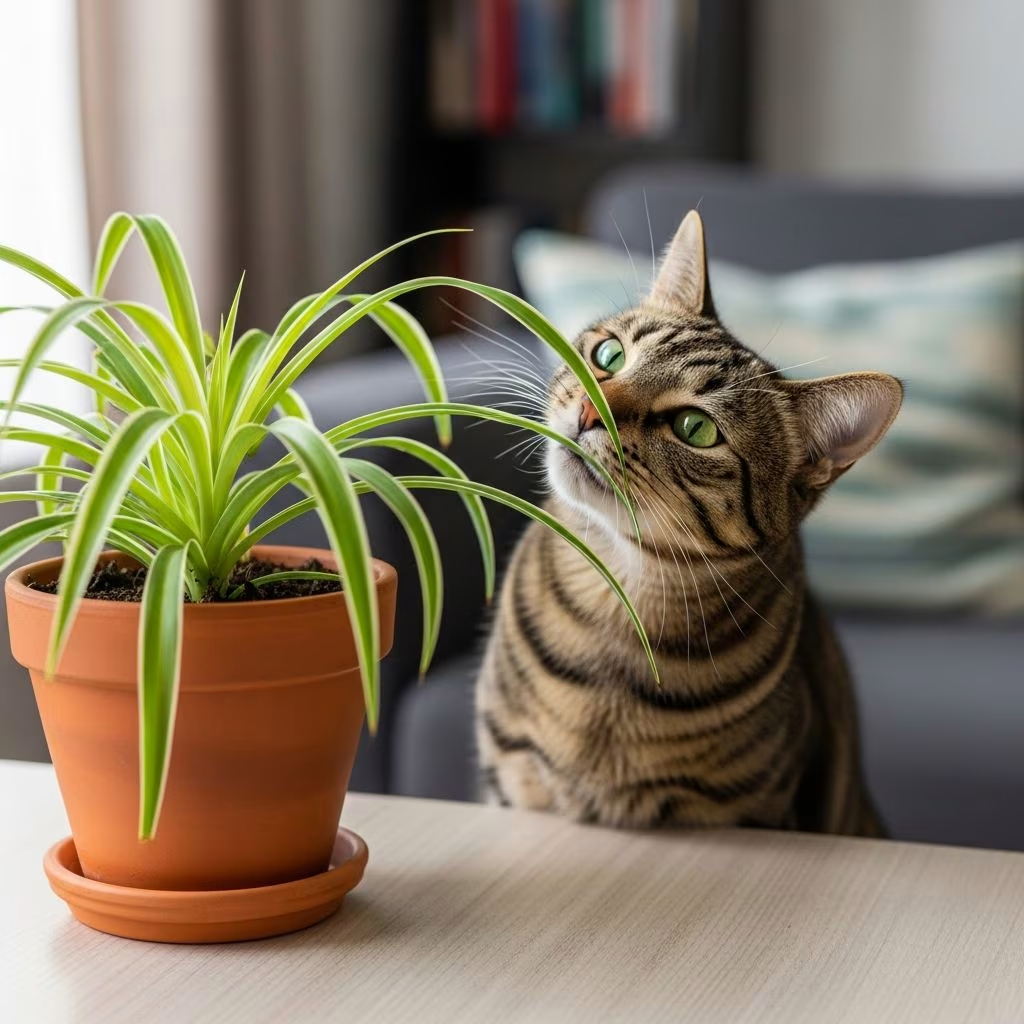
Spider plants, known scientifically as Chlorophytum comosum, rank among the most popular houseplants due to their resilience, air-purifying qualities, and cascading foliage that adds elegance to any indoor space. Cat owners often wonder if these attractive plants present any health hazards to their curious pets, who frequently investigate greenery with enthusiastic nibbles. The reassuring answer is that spider plants are non-toxic to cats, as confirmed by authoritative sources like the ASPCA and the National Capital Poison Center.
Understanding Spider Plant Safety for Felines
These plants thrive in hanging baskets or elevated pots, where their long, arching leaves and plantlets—often called “spiderettes”—dangle temptingly. Unlike many household greens, spider plants lack harmful compounds such as calcium oxalate crystals or saponins that trigger severe reactions in cats. Veterinary toxicologists emphasize that even if a cat chews on the leaves, no life-threatening poisoning occurs.
However, safety does not equate to zero risk. Cats that consume large quantities may experience temporary digestive discomfort because plant material is fibrous and hard to break down in a feline stomach optimized for meat. This mirrors reactions to other non-toxic fibers like grass.
Potential Reactions from Cat Consumption
When cats partake in spider plants, most show no ill effects, resuming normal activities shortly after. In cases where symptoms arise, they remain mild and self-limiting, typically resolving within 24 hours without intervention.
- Vomiting: Often includes visible plant fragments; usually a one-time event.
- Diarrhea: Loose stools that pass quickly.
- Drooling or Gagging: Reflexive response to the plant’s texture.
- Reduced Appetite: Brief disinterest in food.
- Lethargy or Hyperactivity: Some cats display unusual energy, possibly from mild compounds resembling catnip.
These signs stem from mechanical irritation or fiber overload rather than toxicity. Kittens and cats with sensitive stomachs face higher chances of upset.
Immediate Steps If Your Cat Munches on a Spider Plant
Spotting chewed leaves or plant bits in vomit? Stay calm—panic serves no purpose here. Monitor your cat closely for 12-24 hours, noting any changes in behavior, hydration, or elimination.
- Remove access to the plant temporarily.
- Withhold food for a few hours to settle the stomach, then offer small amounts of bland diet like boiled chicken and rice.
- Ensure fresh water availability to prevent dehydration.
- Avoid home remedies like milk or hydrogen peroxide, as they can worsen issues.
Contact your veterinarian if symptoms persist beyond a day, recur, or include blood, severe lethargy, or refusal to drink. Provide details like the amount ingested, time elapsed, your cat’s age/weight, and any applied chemicals (e.g., fertilizers).
Unseen Hazards Beyond the Plant Itself
Problems often arise not from the spider plant’s biology but from external factors. Many owners apply treatments that introduce real dangers:
- Fertilizers: Chemical-based products can cause burns, tremors, or organ strain if ingested.
- Pesticides: Insecticides like those containing pyrethroids are highly toxic to cats.
- Leaf Polishes: Aerosol shines may lead to respiratory irritation or poisoning.
Opt for pet-safe, organic alternatives and rinse plants thoroughly. Always check labels for feline warnings.
Distinguishing Spider Plants from Dangerous Look-Alikes
Visual similarities confuse many owners. True spider plants have variegated green-white leaves without stiff structure. Misidentified plants can lead to serious illness.
| Plant Name | Toxicity to Cats | Symptoms if Ingested |
|---|---|---|
| Spider Plant | Non-Toxic | Mild GI upset |
| Dracaena (Corn Plant) | Toxic | Vomiting, dilated pupils, weakness |
| Pothos | Toxic | Oral pain, drooling, swelling |
| Lily (Any Variety) | Highly Toxic | Kidney failure, potential death |
| Sago Palm | Highly Toxic | Liver damage, seizures |
| Dieffenbachia | Toxic | Mouth irritation, breathing issues |
Use apps or extension services for accurate identification. When in doubt, err on caution.
Myths About Spider Plants and Cat Behavior
Anecdotes abound of cats acting “high” post-nibble—zooming, rolling, or staring oddly. This stems from bufotenin-like substances or fiber-induced euphoria akin to catnip, but no rigorous studies confirm hallucinogenic effects in felines. The behavior proves harmless and fleeting.
Plantlets share the parent plant’s profile: equally safe, with identical mild risks.
Preventive Strategies for Harmonious Coexistence
Proactive measures preserve your plants and pet’s well-being without constant vigilance.
- Elevation: Hang pots high or use sturdy shelves cats can’t reach.
- Deterrents: Apply pet-safe bitter sprays (reapply weekly); test first as efficacy varies.
- Alternatives: Grow cat grass or wheatgrass for safe chewing, fulfilling fiber urges.
- Enrichment: Provide toys, scratching posts, and puzzle feeders to curb boredom-driven plant attacks.
- Training: Use positive reinforcement to redirect interest.
These steps minimize damage while allowing enjoyment of greenery.
Healthier Greenery Choices for Cat Households
Beyond spider plants, select verified safe options:
- Boston Fern: Tolerates nibbling, humidifies air.
- Parlor Palm: Sturdy, non-toxic.
- Areca Palm: Elegant, pet-friendly.
- Calathea: Colorful leaves, safe foliage.
Consult ASPCA’s extensive list before adding new plants.
Frequently Asked Questions
Are spider plants completely harmless to cats?
Yes, they are non-toxic per ASPCA standards, though excessive eating may prompt mild vomiting or diarrhea.
What if my cat vomits after eating spider plant?
Observe for further issues; isolated incidents usually self-resolve. Seek vet care for persistence.
Can spider plants improve air quality safely around cats?
Indeed, they filter toxins like formaldehyde, offering dual benefits without risk.
Is it okay to let cats chew spider plants occasionally?
Better to discourage via alternatives like cat grass for optimal digestion.
Do baby spider plants differ in safety from mature ones?
No, plantlets pose the same negligible risks.
Final Thoughts on Pet-Safe Indoor Jungles
Spider plants exemplify ideal companions for cat lovers: low-maintenance, beautiful, and verified safe by top authorities. Awareness of mild side effects, vigilant monitoring, and smart prevention ensure worry-free greenery. By choosing wisely and supervising interactions, you cultivate a thriving environment where plants and pets flourish together.
References
- Are Spider Plants Toxic to Cats? Vet-Reviewed Facts — The Environmental Blog. 2026-01. https://www.theenvironmentalblog.org/2026/01/are-spider-plants-toxic-to-cats/
- Spider Plants: Safe or Toxic for Cats? — Comfort Plants. Accessed 2026. https://comfortplants.com/blogs/plant-care-guides/are-spider-plants-toxic-to-cats
- Are Spider Plants Toxic to Cats? — Gardener’s Path. Accessed 2026. https://gardenerspath.com/plants/houseplants/spider-plants-toxic/
- What plants are poisonous to cats and why? — Modkat. Accessed 2026. https://modkat.com/blogs/modkat-purrr/what-plants-are-poisonous-to-cats-and-why
- 10 Houseplants to Avoid in Feline Friendly Homes — TLC Cat Clinic. Accessed 2026. https://www.tlccatclinicmn.com/blog/10-houseplants-to-avoid-in-feline-friendly-homes



