

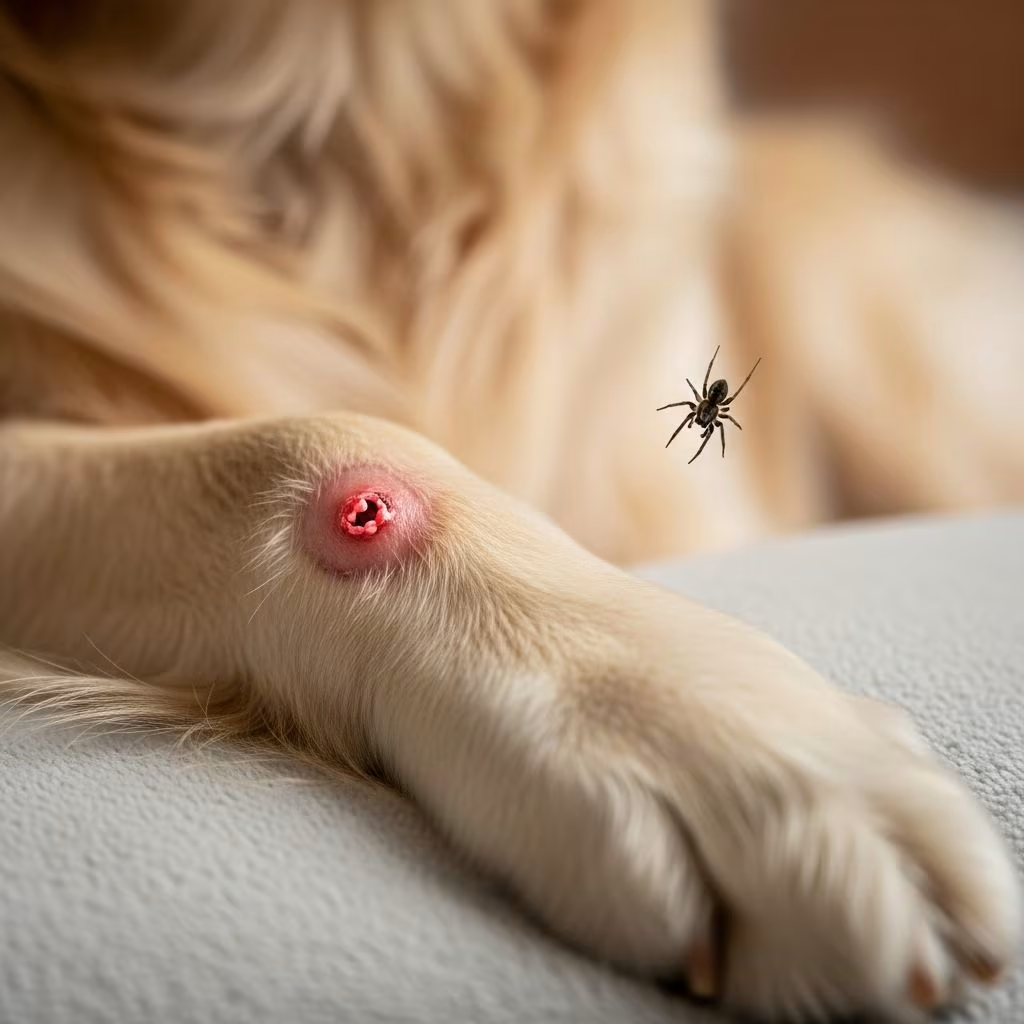
Spider bites pose varying degrees of threat to dogs, with most causing only mild discomfort but certain species like the black widow and brown recluse leading to serious health issues requiring immediate veterinary intervention. Understanding the differences helps pet owners respond effectively.
Common Spiders That Bite Dogs
Dogs encounter spiders in everyday environments such as garages, sheds, woodpiles, and closets. While the majority of spiders deliver harmless bites similar to insect stings, two North American species stand out for their potent venom: the black widow and the brown recluse.
- Black Widow: Identified by its shiny black body and red hourglass marking on the abdomen, this spider thrives in warm, dark spots. Females are primarily responsible for bites, injecting neurotoxic venom that affects nerves and muscles.
- Brown Recluse: Featuring a violin-shaped mark on its cephalothorax, this spider prefers undisturbed areas. Its venom targets skin tissue, potentially causing necrosis, and bites often occur when the spider is provoked.
Other spiders may bite but rarely cause more than localized irritation, making identification crucial for assessing risk levels.
Recognizing Bite Symptoms in Dogs
Symptoms vary by spider type and venom amount injected. Mild bites from non-venomous spiders present as small red bumps with itching or swelling, often resolving without issue.
Black Widow Bite Signs
Initial effects mimic a pinprick, escalating within hours to severe muscle cramping, abdominal pain, drooling, vomiting, tremors, rapid breathing, and restlessness. Dogs may show rigidity in limbs and elevated heart rates, signaling systemic envenomation.
Brown Recluse Bite Indicators
These bites start subtly, with pain emerging over hours or days. Look for a pale center surrounded by redness forming a “target” lesion, followed by blistering, bruising, and blackening tissue (necrosis). Limping occurs if on a leg; severe cases involve fever, lethargy, bleeding, seizures, or breathing difficulties.
| Spider Type | Early Symptoms | Advanced Symptoms |
|---|---|---|
| Black Widow | Mild pain, redness | Cramping, vomiting, tremors |
| Brown Recluse | Minimal pain, swelling | Necrosis, ulceration, systemic illness |
| Non-Venomous | Itchiness, redness | None or mild swelling |
This table summarizes progression for quick reference.
Immediate Response Steps
If suspecting a spider bite, act promptly without delay. Isolate the area to prevent licking or scratching, which worsens irritation or introduces infection.
- Examine the site for puncture marks, swelling, or discoloration.
- Clean gently with mild soap and water.
- Apply a cold compress wrapped in cloth for 10-15 minutes to curb swelling.
- Monitor for worsening signs like spreading redness or behavioral changes.
- Rush to a vet if symptoms intensify or match venomous profiles.
Avoid home remedies like baking soda pastes unless vet-approved, as they may irritate further.
Veterinary Diagnosis Methods
Vets diagnose via physical exam, symptom history, and bite appearance. For ambiguous cases, they rule out allergies, infections, or abscesses. Blood tests check for systemic effects in severe instances, while wound biopsies confirm necrosis rarely.
Treatment Approaches by Bite Type
Tailored therapies address venom effects and prevent complications.
Managing Black Widow Envenomation
Antivenom, administered intravenously, neutralizes toxin rapidly, often resolving symptoms in under 30 minutes. Vets premedicate to avert allergic reactions. Supportive measures include pain relievers, muscle relaxants, IV fluids, and monitoring for recovery spanning days to weeks.
Handling Brown Recluse Injuries
No antivenom exists; focus shifts to supportive care: cold compresses slow venom spread, steroids reduce inflammation, antibiotics combat secondary infections, and pain meds ease discomfort. Severe necrosis demands wound cleaning, bandaging, and possible debridement surgery. Healing takes 1-8 weeks, with rare scarring.
General Care for Mild Bites
Topical cleaning, ice packs, and anti-itch meds suffice, with e-collars preventing self-trauma.
In extreme cases, transfusions or intensive care stabilize patients.
Long-Term Recovery and Monitoring
Post-treatment, restrict activity to aid healing, especially for necrotic wounds. Regular wound checks prevent infections; follow-up visits ensure progress. Most dogs recover fully, though brown recluse scars may persist. Nutritional support boosts tissue repair.
Preventing Spider Encounters
Proactive steps minimize risks:
- Seal home cracks, use screens, and clear clutter in garages/sheds.
- Shake out stored items like blankets or toys before use.
- Maintain yards by trimming vegetation and removing debris piles.
- Employ pet-safe insecticides sparingly; focus on exclusion.
- Supervise outdoor play in spider-prone areas.
Annual pest control inspections prove effective.
When to Seek Emergency Help
Urgent vet care is vital for:
- Progressive swelling or necrosis.
- Neurological signs like tremors/seizures.
- Systemic issues: vomiting, fever, breathing distress.
- Bites on face, mouth, or genitals.
Early intervention drastically improves outcomes.
FAQs on Spider Bites in Dogs
Can all spider bites kill dogs?
No, fatalities are exceedingly rare; most heal with proper care.
How long do symptoms take to appear?
Black widow: minutes to hours; brown recluse: hours to days.
Is antivenom always used?
Only for black widow; brown recluse lacks it.
Can I treat at home?
Mild cases yes, but venomous bites demand professional help.
Do small dogs suffer more?
Yes, due to lower body mass amplifying venom effects.
Expert Insights on Prognosis
Veterinary data shows over 95% recovery rates with timely treatment. Brown recluse bites occasionally lead to minor disfigurement, but systemic death is negligible. Black widow cases respond best to antivenom.
References
- Brown Recluse Spider Bite Poisoning (Loxoscelism) in Dogs — Vetster. Accessed 2026. https://vetster.com/en/conditions/dog/brown-recluse-spider-bite-poisoning-loxoscelism
- What Are the Symptoms of a Spider Bite on a Dog? — Knightdale Vet. 2022-05-31. https://www.knightdalevet.com/site/blog/2022/05/31/spider-bite-dog
- How To Recognize Spider Bites On Dogs — Kleinpeter Vet. 2023-03-30. https://www.kleinpeter-vet.com/site/blog/2023/03/30/spider-bites-on-dogs
- What To Do If Your Dog Is Bitten By a Spider — Ferguson Animal Hospital. 2022-05-10. https://www.fergusonanimalhospital.com/site/blog/2022/05/10/dog-spider-bite
- Spider Bites on Dogs — SWFVS. 2024-07-15. https://www.swfvs.com/site/blog/2024/07/15/spider-bites-on-dogs
- Spider Bites — VCA Animal Hospitals. Accessed 2026. https://vcahospitals.com/know-your-pet/spider-bites
- Spider Bites on Dogs — MetLife Pet Insurance. Accessed 2026. https://www.metlifepetinsurance.com/blog/pet-health/spider-bite-on-dog/



