
Spider Bites In Pets: Essential Guide To Recognition & Care
Learn to spot, treat, and prevent dangerous spider bites in dogs and cats for timely pet care.
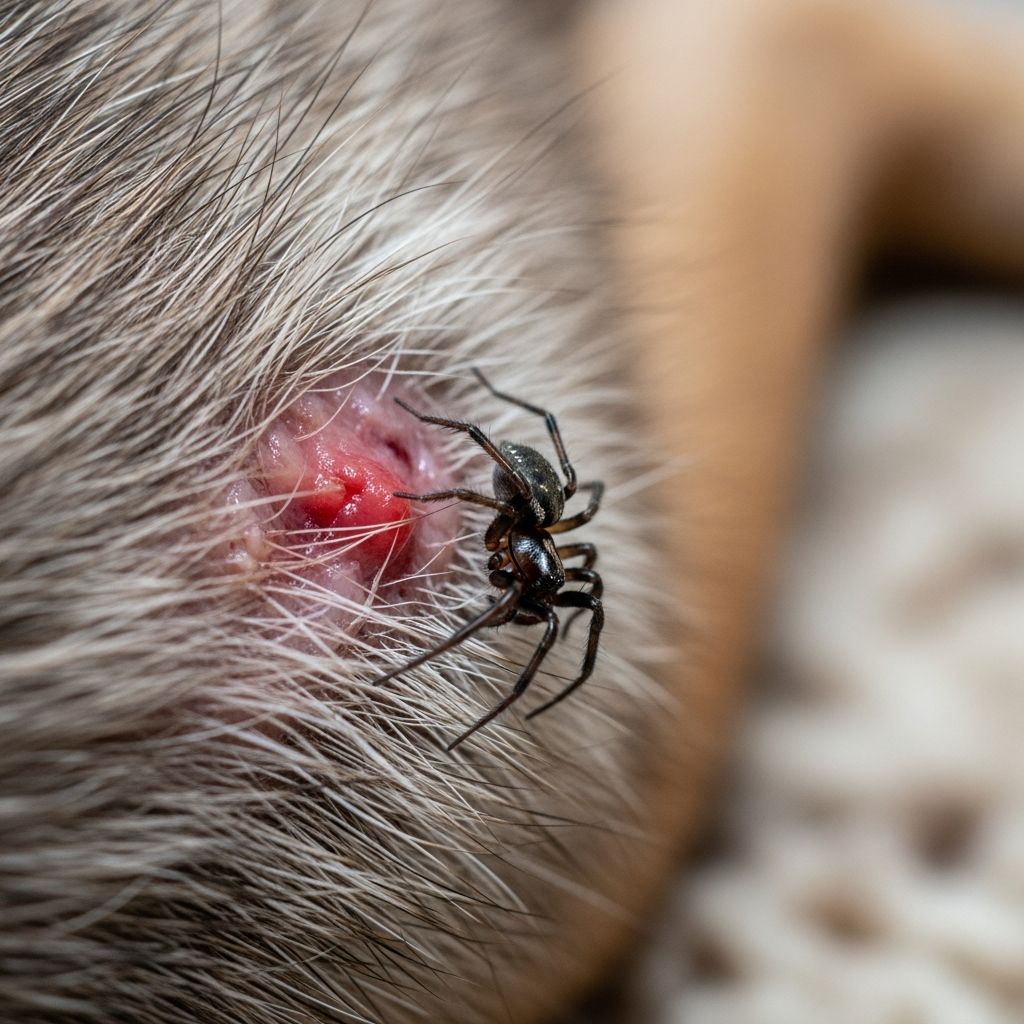
Venomous spider bites pose a hidden threat to household pets, particularly dogs and cats that explore dark corners or outdoor spaces. While most encounters result in minor irritation, bites from species like the black widow or brown recluse can trigger severe reactions requiring immediate veterinary attention. Understanding the signs, regional risks, and care protocols empowers pet owners to act swiftly and safeguard their animals’ health.
Common Venomous Spiders Threatening Pets
North America hosts several spiders capable of harming pets, with two standing out for their potency: the black widow and the brown recluse. Black widows, identifiable by their shiny black bodies and red hourglass marking on the abdomen, thrive in woodpiles, garages, and under porches. Their neurotoxic venom targets the nervous system, causing intense muscle spasms.
Brown recluse spiders, known for their violin-shaped marking on the cephalothorax, prefer undisturbed areas like closets, attics, and stored boxes. Their hemotoxic venom destroys tissue at the bite site, leading to necrosis in severe instances. These spiders rarely bite unless provoked, but pets nosing into hidden spots increase risk.
Other spiders, such as wolf spiders or orb weavers, deliver milder bites akin to bee stings, causing temporary swelling without systemic effects. Geographic distribution matters: black widows span much of the U.S., while brown recluses concentrate in the Midwest and South.
Early Warning Signs of a Spider Bite
Pet spider bites often start subtly, mimicking allergic reactions or injuries. Initial indicators include localized redness, swelling, or a small puncture mark, frequently on paws, legs, face, or abdomen where fur is thinner. Pets may lick or chew the area excessively, signaling discomfort.
Progression varies by spider type. For black widow bites, mild pain escalates within hours to abdominal rigidity, tremors, vomiting, diarrhea, rapid breathing, and agitation. Dogs might whine, pace, or adopt a hunched posture due to cramping.
- Black Widow Bite Progression: Painful puncture → muscle cramps → gastrointestinal upset → potential collapse.
- Brown Recluse Bite Evolution: Painless mark → blister formation → ulcer with dark center → tissue sloughing.
Brown recluse effects unfold over 2-8 hours, forming a bull’s-eye lesion with pale, ischemic tissue turning necrotic. Systemic signs like fever, weakness, or hemolytic anemia occur rarely in pets but demand vigilance.
| Symptom | Black Widow | Brown Recluse |
|---|---|---|
| Local Reaction | Redness, mild swelling | Blister, necrosis |
| Pain Level | Moderate to severe cramps | Delayed, deep ache |
| Systemic Effects | Tremors, vomiting, rigidity | Fever, rarely anemia |
| Onset Time | Hours | 2-8 hours |
Immediate Steps for Suspected Bites
If you witness a bite or notice suspicious symptoms, prioritize safety. Remove the pet from the area and prevent further contact. Capture the spider safely in a jar for identification or take a clear photo from a distance—do not handle it directly.
Clean the site gently with mild soap and water to reduce infection risk. Apply a cool compress to ease swelling, but avoid ice directly on skin. Discourage licking by using an Elizabethan collar. Crucially, contact your veterinarian without delay, even for mild cases, as venom effects can intensify rapidly.
Monitor vital signs: check for lethargy, pale gums, rapid heartbeat, or breathing distress. Transport to an emergency clinic if after hours, providing details on timing, location, and observed changes.
Veterinary Diagnosis and Treatment Approaches
Vets diagnose based on history, symptoms, lesion appearance, and spider ID if available. Bloodwork or imaging may rule out complications like infection or organ strain.
Black widow treatment often involves antivenom, administered IV after premedication to prevent allergic reactions. Supportive measures include pain relievers (opioids), muscle relaxants (benzodiazepines), and IV fluids for hydration. Recovery spans days to weeks, with most pets responding well.
Brown recluse bites lack antivenom; care focuses on wound management with cleaning, cool compresses, bandaging, and antibiotics if infected. Dapsone may limit necrosis if given early. Severe wounds might need surgery, though fatalities remain rare in pets.
- Antivenom: Effective for black widow; risks allergy.
- Pain Control: Opioids over calcium gluconate.
- Wound Care: Cleaning, immobilization key for recluse.
Prognosis excels with prompt intervention—most bites heal in 1-8 weeks, barring complications like scarring.
Prevention Strategies for Pet-Safe Homes
Proactive measures minimize encounters. Seal cracks, vents, and gaps around doors/windows. Reduce clutter in garages, basements, and storage: vacuum regularly and use sticky traps in hidden spots.
Outdoor precautions include clearing debris piles, trimming vegetation, and supervising pets in endemic areas. Long fur on paws can trap irritants; trim as needed. Educate family on spider hotspots and safe removal.
For multi-pet homes, inspect bedding and toys post-outdoor play. Professional pest control targets infestations without broad toxins harmful to animals.
Special Considerations for Cats and Small Pets
Cats face similar risks but show subtler signs like hiding or reduced appetite. Their grooming hides lesions, delaying detection. Black widow bites provoke severe spasms; recluse wounds mimic abscesses.
Small breeds or puppies amplify venom impact due to lower body mass. Geriatric or immunocompromised pets warrant extra caution. Always err toward professional evaluation.
FAQs on Spider Bites in Pets
Can all spider bites kill my dog?
No, fatalities are exceedingly rare with veterinary care. Supportive treatment resolves most cases effectively.
How long do symptoms last?
Black widow: Hours to days with treatment. Brown recluse: Weeks for wound healing.
Should I give home remedies like Benadryl?
Consult a vet first; human doses differ for pets and may mask symptoms.
What if I can’t identify the spider?
Treat based on symptoms; vets manage accordingly without confirmation.
Are spider bites common in winter?
Less so indoors where spiders overwinter in homes.
Long-Term Care Post-Bite
Follow-up visits ensure healing. Watch for infection signs like pus or fever. Scar tissue from recluse bites may itch; keep monitored. Nutritional support aids recovery, emphasizing protein-rich diets.
Behavioral changes like fear of certain areas may emerge; positive reinforcement rebuilds confidence. Annual wellness checks catch vulnerabilities early.
References
- Spider Bite on a Dog — South Wilton Vets. 2024-03-15. https://www.southwiltonvet.com/site/blog-fairfield-county-vet/2024/03/15/spider-bite-dog
- Spider Bites — VCA Animal Hospitals. Recent. https://vcahospitals.com/know-your-pet/spider-bites
- Untangling The Web: How To Handle Spider Bites In Pets — Texas A&M Vet Med. Recent. https://vetmed.tamu.edu/news/pet-talk/spider-bites-in-pets/
- Identifying a Spider Bite on Your Dog — VEG ER for Pets. Recent. https://www.veg.com/post/identifying-a-spider-bite-on-your-dog
- Spider and Scorpion Bites in Animals — Merck Veterinary Manual. Recent. https://www.merckvetmanual.com/toxicology/venomous-arthropods/spider-and-scorpion-bites-in-animals
- How To Recognize Spider Bites On Dogs — Palmyra Animal Clinic. 2024-04-15. https://www.palmyraac.com/site/blog/2024/04/15/spider-bites-on-dogs
Similar Articles








Read full bio of Sneha Tete


