

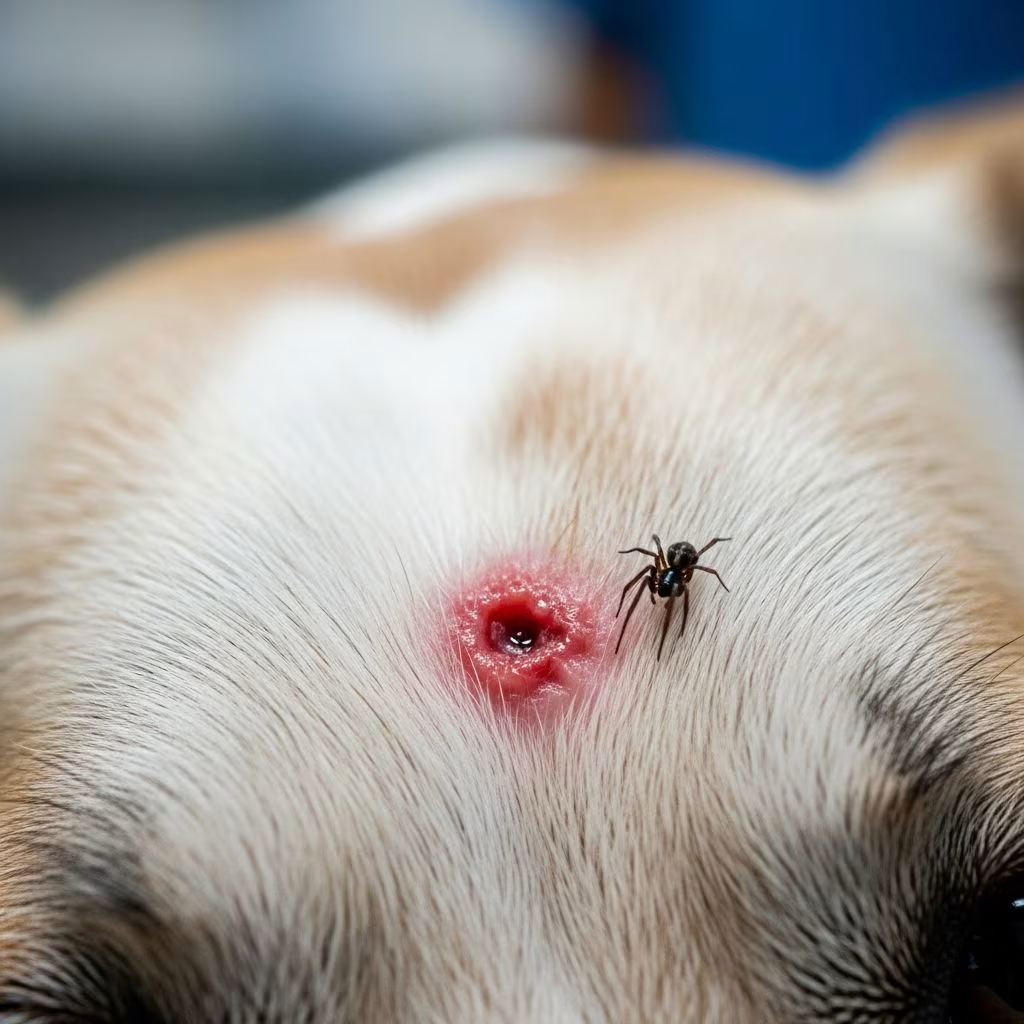
Spider bites affect dogs more often than many owners realize, particularly in regions with venomous species like black widows and brown recluses. These incidents can range from mild irritation to life-threatening conditions, requiring prompt recognition and action. This guide explores how to identify bites, manage symptoms, seek professional help, and safeguard your pet.
Common Spiders That Bite Dogs
Dogs encounter various spiders during outdoor play or indoor exploration. While most bites cause only local discomfort, certain species deliver potent venom that demands urgent attention.
- Black Widow Spiders: Recognizable by their shiny black bodies and red hourglass marking on the abdomen, these spiders thrive in dark, sheltered spots like garages, woodpiles, and under porches. Females are primarily responsible for bites, injecting neurotoxins that impact the nervous system.
- Brown Recluse Spiders: Light to dark brown with a violin-shaped mark on their backs, they prefer undisturbed areas such as closets, attics, and basements. They bite defensively when threatened, releasing venom that destroys tissue.
- Non-Venomous Spiders: Species like wolf spiders or orb weavers deliver milder bites similar to bee stings, often resolving without complication.
Recognizing Early Signs of a Spider Bite
The first indicators of a spider bite often appear localized. Dogs may suddenly focus on one area, licking or pawing excessively due to discomfort.
| Symptom | Description | Common in Which Spider |
|---|---|---|
| Swelling and Redness | Localized puffiness and inflamed skin around two tiny puncture marks | All types |
| Itching or Pain | Dog yelps, limps, or avoids touch on affected spot | All types |
| Hair Loss | Fur thins or falls out near the bite | Brown recluse |
Monitor for progression, as initial mild signs can escalate rapidly in venomous cases.
Symptoms of Venomous Spider Bites
Venomous bites trigger both local and systemic reactions, varying by spider type and your dog’s size—smaller breeds face heightened risks.
Black Widow Bite Reactions
Neurotoxic venom causes intense muscle effects. Signs emerge within 30 minutes to 8 hours, peaking then gradually fading over days.
- Rapid breathing and elevated heart rate
- Muscle rigidity, tremors, or spasms
- Abdominal pain with vomiting or diarrhea
- Anxiety, restlessness, or drooling
- In extreme cases: seizures, paralysis, or collapse
Weakness may linger for weeks post-recovery.
Brown Recluse Bite Reactions
Cytotoxic venom leads to tissue damage. Initial signs mimic minor wounds but worsen over days.
- Limping if on a leg, with a red ring or blister forming
- Fever, joint pain, or muscle cramps
- Open wound with necrosis (dead tissue) in severe instances
- Occasional systemic issues like vomiting or lethargy
Healing spans 1-8 weeks, rarely fatal but potentially scarring.
Immediate Steps for Suspected Bites
Act swiftly to limit venom spread and prevent secondary issues like infection.
- Examine Safely: Gently part fur to locate punctures, swelling, or discoloration without forcing the area.
- Clean Gently: Rinse with mild soap and cool water; pat dry.
- Cool Compress: Apply a cloth-wrapped ice pack for 10-15 minutes to curb swelling—avoid direct ice.
- Prevent Self-Trauma: Use a cone collar to stop licking or scratching.
- Prevent Home Remedies: Skip pastes or oils unless vet-approved; they risk irritation.
Rush to a vet if symptoms intensify or involve neuro signs.
Veterinary Diagnosis and Treatment Options
Vets diagnose via history, symptoms, and bite appearance since spiders rarely remain. Treatment focuses on symptom relief and venom neutralization.
Treatment for Black Widow Bites
Supportive care dominates: IV fluids hydrate, pain meds and muscle relaxants ease spasms, anti-nausea controls vomiting. Antivenom exists but is rarely used due to anaphylaxis risks, reserved for critical cases. Recovery: 48-72 hours for acute phase, longer for full strength.
Treatment for Brown Recluse Bites
No antivenom available; care emphasizes wound management with cleaning, compresses, bandaging, and antibiotics for infection. Surgery may address deep necrosis. Most heal in 3 weeks.
General Care Protocols
- Monitoring vital signs and bloodwork
- Hospitalization for severe systemic effects
- Follow-up for wound checks
Prognosis excels with early intervention.
Long-Term Recovery and Monitoring
Post-treatment, watch for infection (pus, worsening odor) or delayed weakness. Administer meds as prescribed, restrict activity for wound bites, and schedule rechecks. Full recovery varies: days for mild cases, months for necrotic wounds. Nutrition supports healing—consult on anti-inflammatory diets.
Preventing Spider Encounters at Home
Proactive steps minimize risks in spider-prone areas.
- Seal cracks, vents, and gaps around doors/windows.
- Declutter storage: vacuum closets, shake out fabrics.
- Outdoor: Clear debris piles, use gravel borders.
- Supervise play near wood/rock stacks.
- Natural repellents: peppermint oil sprays (diluted, pet-safe).
Regular pest control aids but avoids toxic chemicals indoors.
When to Seek Emergency Help
Never delay for these red flags:
- Breathing distress, blue gums, or collapse
- Uncontrolled tremors/seizures
- Spreading necrosis or fever over 103°F
- Lethargy, refusal to eat/drink beyond 24 hours
Call your vet or emergency clinic immediately.
Frequently Asked Questions (FAQs)
Can all spider bites harm dogs?
Most are benign, but black widow and brown recluse pose serious threats.
How long do symptoms last?
Acute black widow signs: 2-3 days; brown recluse wounds: weeks.
Is antivenom always needed?
No, supportive care suffices for most; antivenom risks outweigh benefits routinely.
What if I can’t identify the spider?
Treat based on symptoms—vet handles uncertainty effectively.
Are puppies more vulnerable?
Yes, due to lower body mass amplifying venom effects.
References
- How to Treat Spider Bite On a Dog — Red Hills Veterinary Hospital. 2024-07-30. https://www.redhillsvet.com/site/blog/2024/07/30/dog-spider-bite
- Identifying a Spider Bite on Your Dog — VEG ER for Pets. N/A. https://www.veg.com/post/identifying-a-spider-bite-on-your-dog
- Black Widow Spider Bite Poisoning in Dogs — PetMD. N/A. https://www.petmd.com/black-widow-spider-bite-poisoning-dogs
- What does a spider bite look like on a dog? — Stoney Pointe Pet Care. 2022-07-30. https://www.stoneypointevet.com/site/blog/2022/07/30/spider-bite-on-dog
- Spider Bites — VCA Animal Hospitals. N/A. https://vcahospitals.com/know-your-pet/spider-bites
- Spider Bites on Dogs — Southwest Florida Veterinary Specialists. 2024-07-15. https://www.swfvs.com/site/blog/2024/07/15/spider-bites-on-dogs



