

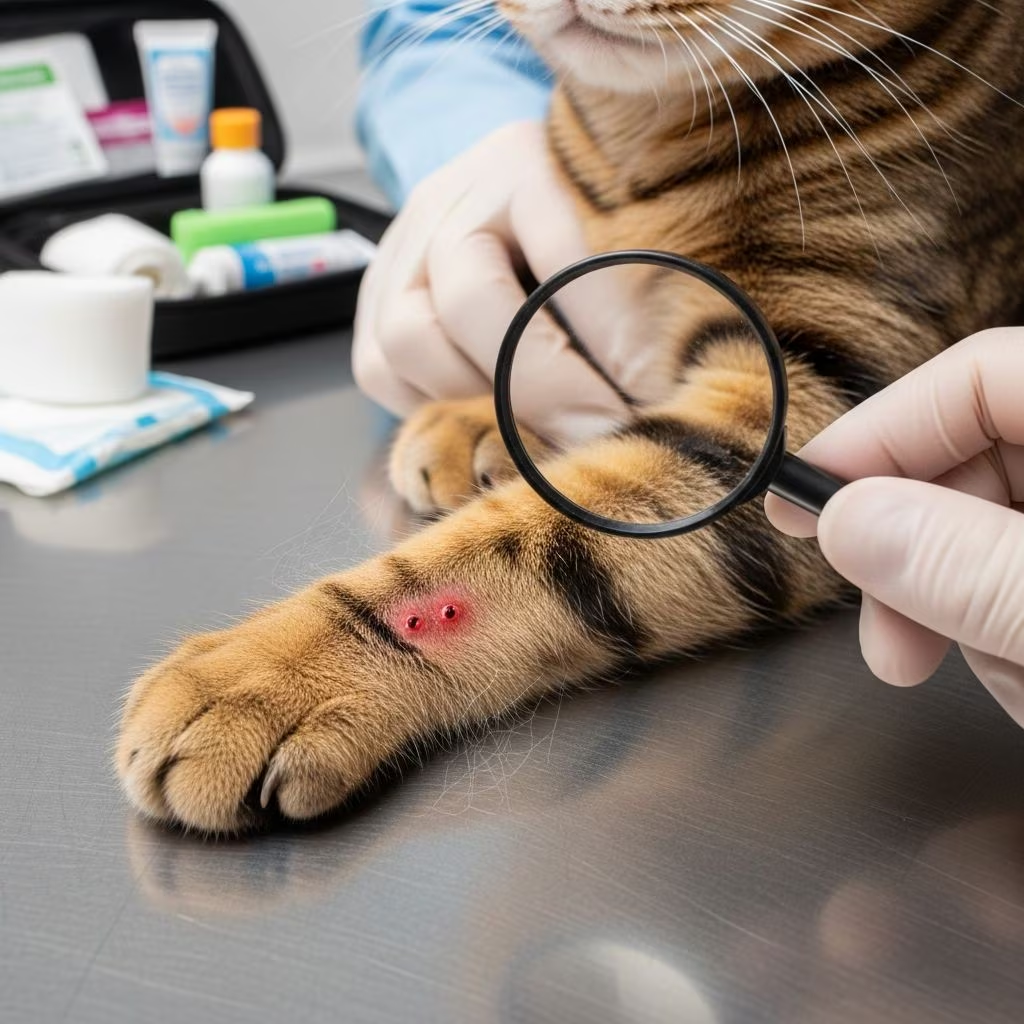
Spider bites can pose serious health risks to cats, ranging from localized irritation to life-threatening systemic effects. Quick recognition of symptoms and appropriate action are crucial for positive outcomes. This guide explores common signs, dangerous spider species, immediate response strategies, professional treatments, and long-term prevention.
Understanding the Risks of Spider Encounters for Felines
Cats’ curiosity often leads them into contact with spiders hiding in garages, basements, or outdoor areas. While most spider bites cause only minor discomfort, certain species deliver venom that triggers severe reactions. Cats may paw at webs or chase arachnids, increasing exposure risks, especially in warmer climates where spiders thrive.
Venomous spiders target felines through bites that inject toxins affecting nerves, muscles, or skin tissues. Early detection hinges on observing behavioral shifts and physical changes at the bite site. Owners should remain vigilant during peak spider seasons, typically summer and fall.
Key Indicators of a Spider Bite in Your Cat
Spotting a spider bite early can prevent complications. Initial signs often appear within hours, progressing if untreated. Common manifestations include:
- Localized swelling and redness: The bite area puffs up, becoming tender and warm to the touch.
- Intense itching or scratching: Cats excessively groom the site, potentially worsening injury.
- Painful lesions: Small puncture marks or blisters form, sometimes darkening at the center.
- Fever and lethargy: Body temperature rises, accompanied by reduced activity and appetite loss.
- Gastrointestinal upset: Vomiting, diarrhea, or drooling signals deeper venom impact.
Severe cases escalate to muscle tremors, labored breathing, or collapse, demanding urgent care. Monitor for these over 24-48 hours post-suspected exposure.
Dangerous Spiders That Threaten Cats
Not all spiders endanger cats, but a few notorious types warrant special attention. Understanding their traits aids identification and risk assessment.
| Spider Type | Appearance | Geographic Prevalence | Primary Effects on Cats |
|---|---|---|---|
| Black Widow | Shiny black body with red hourglass marking | Widespread in temperate regions | Muscle cramps, vomiting, paralysis risk |
| Brown Recluse | Light brown with violin-shaped mark | Southern and central U.S. | Tissue necrosis, ulcers, fever |
| Other Recluse Variants | Similar fiddleback pattern | Regional variations | Skin damage, slow-healing wounds |
Black widows provoke neuromuscular symptoms via latrotoxin, causing rigidity and pain. Brown recluses induce dermonecrosis through sphingomyelinase D, leading to tissue death. Bites from these often occur in undisturbed areas like bedding or closets.
Immediate Home Care for Suspected Bites
While awaiting veterinary evaluation, provide supportive care to alleviate symptoms. Follow these steps systematically:
- Inspect and clean: Gently part fur to locate the bite. Rinse with sterile saline or mild antiseptic, avoiding harsh chemicals.
- Apply cold therapy: Use a cloth-wrapped ice pack for 10-15 minutes to curb swelling and numb pain. Repeat every few hours if tolerated.
- Prevent self-trauma: Fit a soft cone collar to stop scratching or licking, reducing infection chances.
- Monitor vital signs: Check temperature, breathing, and alertness. Note any progression.
Avoid over-the-counter human medications like ibuprofen, as they harm cats. Antihistamines require vet dosing guidance.
When to Seek Emergency Veterinary Help
Certain signs necessitate immediate professional intervention. Rush to an emergency clinic if your cat exhibits:
- Difficulty breathing or facial swelling
- Uncontrolled tremors or seizures
- Persistent vomiting or bloody diarrhea
- Weakness, collapse, or disorientation
- Rapid heart rate or pale gums
These indicate anaphylaxis or potent envenomation, where delays can prove fatal. Provide bite details, spider description if seen, and symptom timeline to the vet.
Veterinary Diagnosis and Treatment Approaches
Vets diagnose via clinical history, physical exam, and sometimes bloodwork or biopsies, as bites are rarely witnessed. Treatment tailors to spider type and severity:
For Black Widow Bites: Antivenin neutralizes toxin if administered early, resolving symptoms in under 30 minutes. Supportive measures include IV fluids, muscle relaxants, and opioids for pain and cramping. Recovery spans days to weeks.
For Brown Recluse Bites: No antivenin exists; focus shifts to wound management. Protocols encompass cool compresses, antibiotics, pain relief, and dapsone for necrosis. Severe cases may require surgery, skin grafts, or transfusions. Healing takes 2-8 weeks.
General care involves hydration, anti-nausea drugs, and monitoring for secondary infections. Hospitalization ensures stability in critical instances.
Long-Term Recovery and Monitoring
Post-treatment, watch for relapse. Administer prescribed meds fully, clean wounds daily, and restrict activity to aid healing. Appetite stimulants or soft foods encourage eating during recovery.
Follow-up visits assess progress, especially for necrotic wounds. Full fur regrowth and scar minimization occur over months. Nutritional support bolsters tissue repair.
Preventing Future Spider Bites in Your Home
Proactive measures minimize risks:
- Seal entry points: Caulk cracks, install screens, and weatherstrip doors.
- Declutter: Reduce hiding spots in storage areas and bedding.
- Professional pest control: Use pet-safe methods targeting arachnids.
- Supervise outdoors: Limit unsupervised yard time, especially at dusk.
- Regular grooming: Check fur after outdoor play for hitchhikers.
Educate household members on spider ID to avoid disturbances that provoke bites.
Frequently Asked Questions (FAQs)
Can all spider bites harm cats?
Most are harmless, causing brief irritation. Only a handful of venomous species like black widows and recluses pose significant threats.
How long do symptoms last?
Mild cases resolve in days; severe envenomations may linger weeks, with wound healing up to two months.
Is home treatment sufficient?
For minor swelling, yes—but escalate to vets for systemic signs or known venomous bites.
Do cats build immunity to spider venom?
No; repeated exposure risks cumulative damage without protective antibodies.
What if I can’t identify the spider?
Treat based on symptoms. Vets manage presumptively, prioritizing stabilization.
References
- Identifying and Treating Bug Bites in Cats — Just Cats Clinic. 2023. https://justcatsclinic.com/identifying-and-treating-bug-bites-in-cats/
- Brown Recluse Spider Bites in Cats — Vetster. 2024. https://vetster.com/en/conditions/cat/brown-recluse-spider-bites-in-cats
- Brown Recluse Spider Bite Poisoning in Cats — PetMD. 2024. https://www.petmd.com/cat/poisoning/brown-recluse-spider-bite-poisoning-cats
- Spider Bites — VCA Animal Hospitals. 2024. https://vcahospitals.com/know-your-pet/spider-bites
- Spider and Scorpion Bites in Animals — Merck Veterinary Manual. 2025. https://www.merckvetmanual.com/toxicology/venomous-arthropods/spider-and-scorpion-bites-in-animals



