

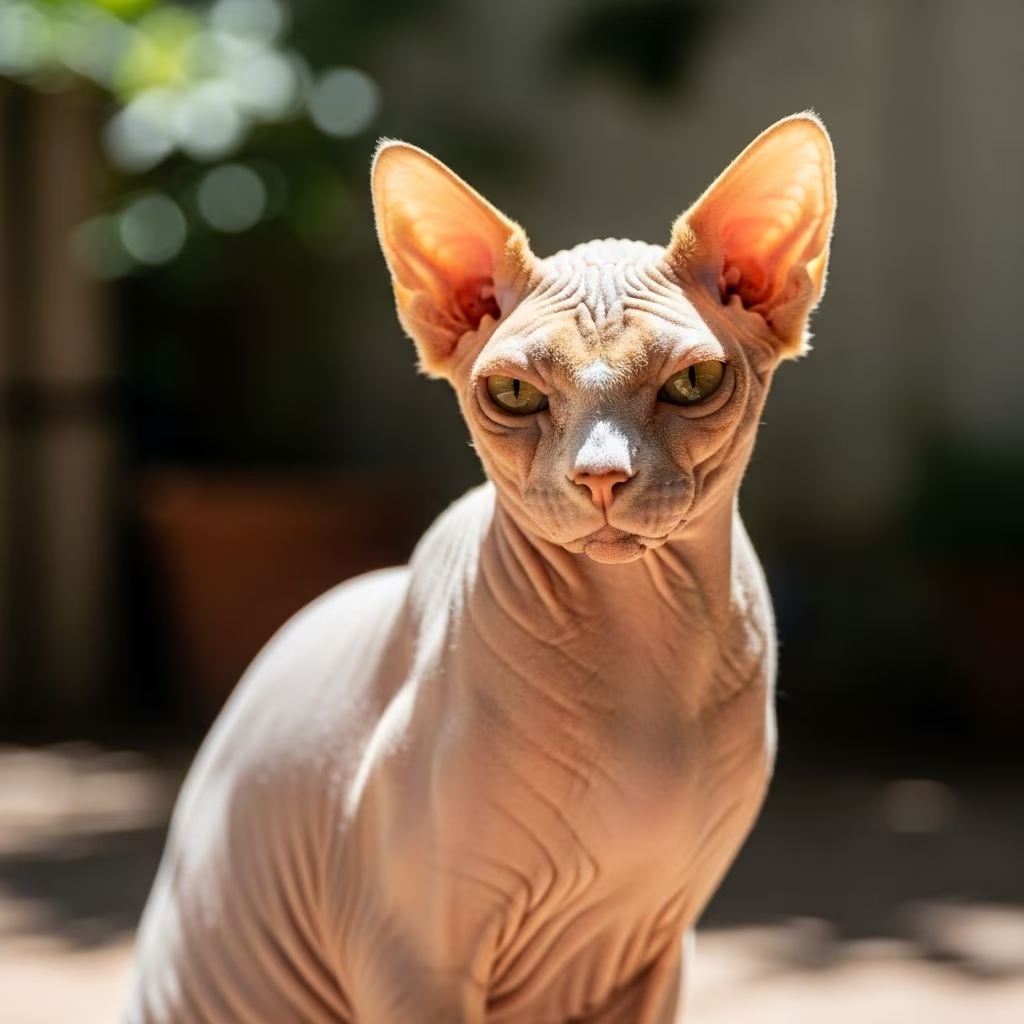
Hairless Sphynx cats, with their unique exposed skin, face heightened risks from ultraviolet (UV) radiation, necessitating dedicated sunscreen use during outdoor exposure or near sunny windows. Without fur to shield them, these cats can suffer sunburns, skin irritations, and long-term issues like cancer, making proactive protection crucial for their well-being.
Why Sphynx Cats Are Vulnerable to Sun Damage
The Sphynx breed’s defining trait—minimal to no fur—leaves their skin directly exposed to environmental elements, including harmful UV rays from the sun. Unlike coated cats, where fur acts as a natural barrier filtering out much of the radiation, Sphynx skin absorbs UV light readily, leading to rapid burning and cellular damage. Veterinary experts note that this vulnerability mirrors human skin concerns, amplified by the cats’ tendency toward oily sebum production, which can exacerbate irritation under sun exposure.
Common signs of UV overexposure in Sphynx include redness, peeling, hot-to-touch skin, and in severe cases, blistering or lesions. Prolonged exposure heightens risks for squamous cell carcinoma, a skin cancer observed more frequently in light-skinned or hairless animals. Indoor cats aren’t immune; UV penetrates glass, posing risks near south-facing windows. Owners in sunny climates or regions with high UV indexes must prioritize prevention to maintain skin integrity.
Understanding UV Rays and Cat Skin Biology
UV radiation comprises UVA, UVB, and UVC rays, with UVA and UVB being primary concerns for skin damage as they penetrate the atmosphere and glass alike. Sphynx skin, characterized by wrinkles and folds, traps oils and debris, creating micro-environments where UV-induced inflammation thrives. Research on animal dermatology indicates hairless breeds produce more sebum to compensate for absent fur, leading to greasier skin that feels warmer under sunlight and burns faster.
Biologically, cat skin lacks the melanin density found in darker-pigmented humans or animals, offering scant natural defense. Pigmented areas like ears, nose, and paw pads may fare slightly better, but pink or light skin sections remain highly susceptible. Seasonal factors amplify risks: summer peaks demand stricter measures, while reflective surfaces like snow or water intensify exposure.
Do All Sphynx Cats Need Sunscreen?
Not every Sphynx requires sunscreen daily, but most benefit from it during peak sun hours (10 AM to 4 PM) or outdoor time. Indoor-only cats near windows should use it selectively, while those with access to patios or leashed walks need consistent application. Factors influencing necessity include skin pigmentation—lighter cats burn quicker—and location’s UV index. Veterinary consensus recommends sunscreen as a staple for hairless breeds in sunny environments, akin to human SPF routines.
- High-risk scenarios: Outdoor play, balcony lounging, or homes with large sunny exposures.
- Low-risk: Dim interiors or cloudy climates, though vigilance remains key.
- Special cases: Kittens or seniors with thinner skin demand extra caution.
Selecting Safe Sunscreen for Your Sphynx
Human sunscreens pose dangers due to ingredients like zinc oxide or avobenzone, which cats may ingest during grooming, causing toxicity. Opt for pet-specific formulas labeled safe for cats, ideally fragrance-free, hypoallergenic, and water-resistant with broad-spectrum UVA/UVB protection (SPF 15+ minimum). Natural options incorporating titanium dioxide or non-nano zinc are preferable if vet-approved.
| Product Type | Key Features | SPF Level | Suitable For |
|---|---|---|---|
| Pet Spray Sunscreen | Easy application, quick-dry | 30+ | Active cats |
| Cream/Lotion | Targeted for wrinkles | 15-50 | Indoor loungers |
| Wipes | Portable, no-rinse | 20+ | Travel/outings |
| Natural Oil-Based | Moisturizing bonus | 15 | Dry skin types |
Consult a veterinarian before first use, especially for cats with pre-existing conditions like allergies. Avoid products with essential oils (e.g., tea tree), parabens, or alcohol, which irritate sensitive Sphynx skin.
Step-by-Step Sunscreen Application Guide
Apply sunscreen 20-30 minutes before exposure for optimal absorption, reapplying every 2 hours or post-swim/dirt exposure. Use a pea-sized amount per body area, massaging gently into folds, ears, nose, belly, and legs—avoiding eyes, mouth, and genitals.
- Wet a soft cloth or use spray for even coverage.
- Part skin wrinkles to reach hidden spots.
- Massage in circular motions until absorbed (no white residue).
- Monitor for 10 minutes; reapply if licked off.
- Combine with baths using mild shampoos to remove prior oils.
For kittens, start with small tests; adults tolerate better but watch for ingestion. Gloves prevent owner skin transfer of cat oils.
Alternatives to Chemical Sunscreen
Besides lotions, protective clothing like UV-blocking vests or hats entertains many Sphynx. Window films block 99% UV passage, ideal for indoor safety. Natural barriers include full-spectrum plant oils (coconut, jojoba) with mild SPF properties, though not substitutes for dedicated products. Limit outdoor time to mornings/evenings, using leashes in shaded spots.
- **Shade structures:** Catios or covered enclosures.
- **Reflective mats:** Under lounging areas to deflect heat.
- **Dietary aids:** Omega-rich foods reduce inflammation.
Recognizing and Treating Sunburn in Sphynx Cats
Early sunburn appears as pinkness or warmth; advanced stages show swelling, pain, or scabs. Cool compresses (chamomile tea-soaked cloths) soothe, followed by vet-prescribed aloe vera or antibiotics for infections. Prevent escalation by isolating from light and hydrating skin with coconut oil. Chronic cases warrant dermatologist exams for precancerous changes.
Integrating Sunscreen into Daily Sphynx Care
Sphynx skincare holistically pairs sunscreen with weekly baths (every 7-10 days using pH-balanced shampoos), moisturizing, and diet. High-quality proteins minimize oil production, easing sunscreen spread. Weekly wrinkle wipes prevent acne buildup, enhanced by sun protection.
Seasonal adjustments: Winter needs less sunscreen but more hydration; summer ramps up frequency. Track skin via photos for changes, scheduling bi-annual vet skin checks.
Common Myths About Sphynx Sun Protection
Myth 1: Indoor cats don’t need it—UV through windows proves otherwise.
Myth 2: Darker Sphynx are safe—melanin varies insufficiently.
Myth 3: Frequent baths replace sunscreen—no, they address oil, not UV.
Frequently Asked Questions (FAQs)
Can I use human sunscreen on my Sphynx?
No, due to toxic ingredients; stick to pet-formulated options.
How often to reapply Sphynx sunscreen?
Every 2 hours outdoors or after wetting.
Is coconut oil enough sun protection?
It offers minor SPF but pair with proper sunscreen.
What if my Sphynx licks off the sunscreen?
Choose lick-safe formulas; distract with toys post-application.
Do all hairless breeds need sunscreen?
Primarily Sphynx and similar; consult vets for others.
Long-Term Benefits of Consistent UV Protection
Routine sunscreen use preserves skin elasticity, prevents infections, and extends lifespan by mitigating cancer risks. Healthy Sphynx exhibit glossy, supple skin, reduced vet visits, and playful energy. Owners report fewer allergies and better coat (peach fuzz) quality with balanced care. Invest in quality products for a resilient companion.
References
- How to Care for a Hairless Sphynx Cat — HICC Pet. 2023. https://hiccpet.com/blogs/cats/how-to-care-for-a-hairless-sphynx-cat
- What You Need to Know Before Bringing Home a Sphynx Cat — PetMD. 2024-01-15. https://www.petmd.com/cat/care/what-you-need-know-bringing-home-sphynx-cat
- The Ultimate Guide to Hairless Cat Skincare — Mr Wrinkles Petcare. 2023. https://mrwrinkles.com/blogs/news/the-ultimate-guide-to-hairless-cat-skincare-everything-you-need-to-know
- Sphynx Cat Skin Care Tips Every Owner Should Know — Purebred Kitties. 2024. https://purebredkitties.com/blogs/sphynx-cat/sphynx-cat-skin-care-tips-every-owner-should-know



