

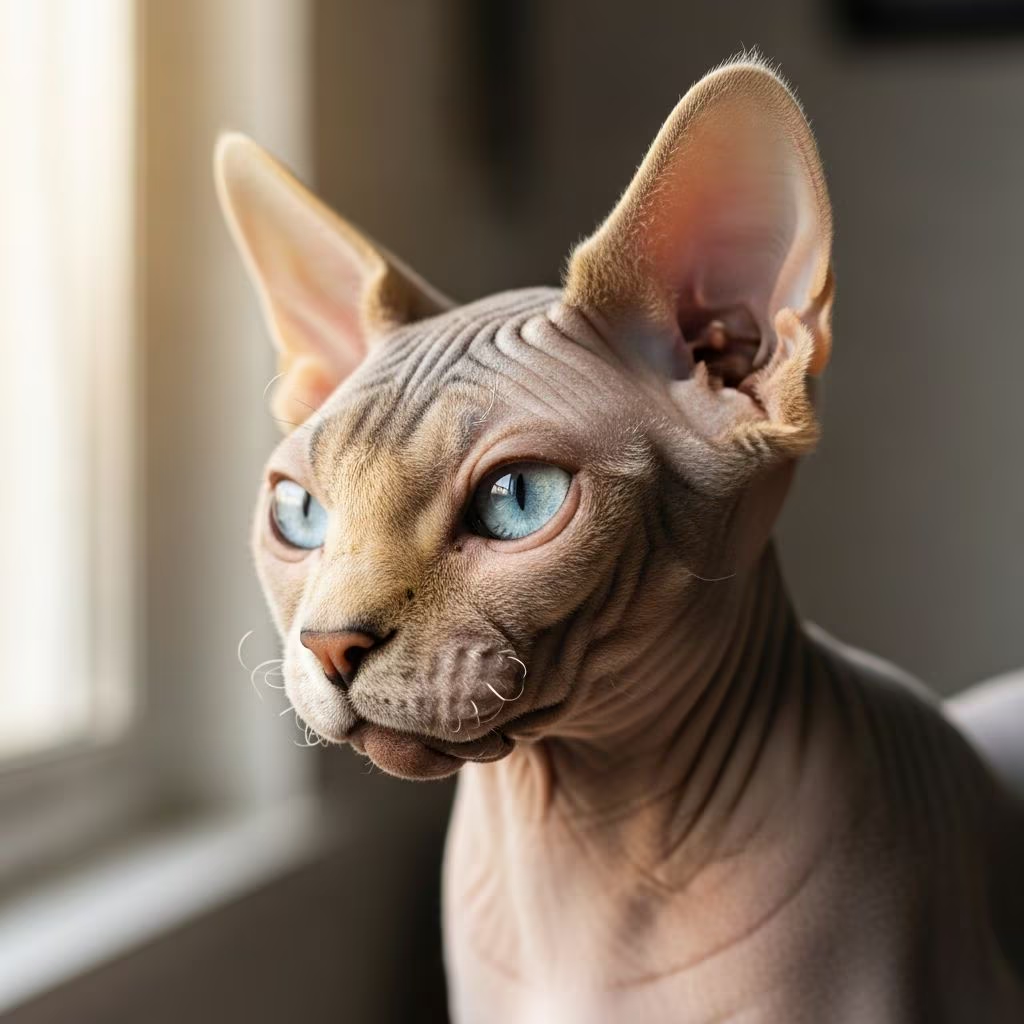
The Sphynx cat captivates with its bald, wrinkled skin and boundless energy, making it a standout choice for those seeking an extraordinary feline companion. Originating from a natural genetic mutation, this breed combines athletic prowess with deep affection, often likened to dogs in loyalty and sociability.
Historical Roots of the Enigmatic Sphynx
Sphynx cats trace their lineage to Canada in the 1960s, where a hairless kitten named Prune born to a domestic cat sparked the breed’s development. Breeders selectively paired cats carrying the recessive hairless gene to establish the modern Sphynx, recognized by major cat fancier associations like TICA and CFA by the late 20th century. Unlike ancient Egyptian depictions that inspired their name, today’s Sphynx results from this modern mutation, not antiquity. Efforts focused on preserving health and temperament alongside the signature furless trait, leading to a robust breed popular worldwide for its distinctive look and engaging nature.
Physical Characteristics: Beyond the Bald Exterior
At first glance, Sphynx cats appear strikingly nude, but a fine layer of peach-fuzz covers their warm, soft skin, accentuating prominent wrinkles especially around the face, shoulders, and flanks. Medium-sized yet powerfully built, adults weigh 6-12 pounds with males typically larger, their bodies featuring broad chests, sturdy legs, and a rounded belly that suggests a recent feast.
Key features include:
- Large, bat-like ears: Set high on a wedge-shaped head, spanning 2-3 inches, enhancing their alert expression.
- Lemon-shaped eyes: Wide-set and expressive, often gold, green, or blue, conveying curiosity and intelligence.
- Whippy tail: Long, tapering, and flexible, aiding in acrobatic feats.
- Thick paw pads: Cushioned for grip, sometimes sweating visibly due to oil accumulation.
Despite lacking fur, Sphynx display diverse colors and patterns on their skin—white, black, tabby, calico, pointed, or mink—visible through the translucent down. Their muscular frame supports high jumps and swift movements, belying the compact stature.
Temperament: The Dog-Like Devotion of Sphynx
Sphynx cats redefine feline companionship with dog-like traits: unwavering loyalty, eagerness to please, and a love for human interaction. Highly social, they follow owners room-to-room, perching on shoulders or laps, vocalizing needs with chirps and chatter rather than meows.
| Trait | Description | Ideal Home Fit |
|---|---|---|
| Affectionate | Thrives on cuddles; ‘Velcro cats’ that bond deeply | Social households with time for play |
| Playful & Energetic | Acrobatic leapers loving fetch and toys | Active families, not sedentary |
| Intelligent | Quick learners for tricks; needs puzzles | Owners providing mental stimulation |
| Sociable | Great with kids, dogs, other cats | Multi-pet homes |
Not shy or aloof, Sphynx demand attention but reward it with humor and gentleness. Their mischievous streak emerges if bored, leading to clever escapades. Best suited for experienced owners offering enrichment like interactive toys and climbing structures.
Health Considerations for Longevity
Sphynx boast hardy constitutions with a lifespan of 8-14 years, but their hairlessness heightens specific risks. Without fur insulation, they overheat in sun or chill easily, necessitating warm environments above 70°F.
Common concerns include:
- Hypertrophic Cardiomyopathy (HCM): Heart muscle thickening; screen via echocardiogram.
- Hereditary Myopathy: Muscle weakness; monitor early.
- Skin Issues: Oil buildup causes acne or infections; regular cleaning vital.
- Hypertrophic Osteodystrophy: Rare bone condition in kittens.
Genetic testing and annual vet checks promote health. Pet insurance covers breed-specific issues, aiding proactive care.
Grooming Essentials for the Furless Feline
Paradoxically, hairless Sphynx require more grooming than furry breeds. Their skin produces excess oils, attracting dirt and risking blockages. Weekly baths with mild, cat-safe shampoo remove residue, followed by towel drying and warm air blow-drying to prevent chills.
Additional routines:
- Weekly wipes: Use hypoallergenic cloths on face, paws, ears.
- Nail trims: Bi-weekly to prevent overgrowth.
- Ear cleaning: Soft cloths or vet solutions for wax buildup in large ears.
- Sunscreen: For outdoor time to avoid burns.
These habits keep skin supple and odor-free, enhancing their velvety feel.
Nutrition and Daily Lifestyle Needs
Sphynx high metabolism demands calorie-dense, high-protein diets supporting muscle mass—aim for 250-300 calories daily for adults, adjusted for activity. Wet food aids hydration; supplements like omega-3s benefit skin health.
Environment tips:
- Warm beds, heated pads, clothing for comfort.
- Indoor-only to shield from elements and predators.
- Vertical spaces, wand toys for exercise.
- Litter boxes with fine clumping litter; frequent cleaning due to paw oil.
Obesity risks from treats; portion control key.
Training and Enrichment Strategies
Leveraging intelligence, Sphynx excel in training. Use positive reinforcement with treats for commands like sit, fetch, or leash walking. Puzzle feeders and clicker sessions combat boredom.
Daily 20-30 minutes play mimics hunting, preventing destructive behavior. Their vocal, people-oriented nature suits interactive homes.
Bringing Home Your Sphynx: Adoption Essentials
Select reputable breeders with health-tested lines or rescues specializing in Sphynx. Kittens thrive post-12 weeks; prepare warm spaces, scratching posts. Early socialization ensures adaptability.
Costs: $1,500-$4,000 for pedigreed kittens; ongoing expenses for premium food, grooming.
Frequently Asked Questions
Are Sphynx cats hypoallergenic?
Partially; less dander but produce Fel d1 allergen. Good for mild allergies.
Do Sphynx cats get cold easily?
Yes; provide sweaters, heated beds year-round.
Can Sphynx live with dogs?
Absolutely; their friendly nature fosters harmony.
How often to bathe a Sphynx?
Weekly or bi-weekly to manage oils.
What’s the Sphynx lifespan?
8-14 years with proper care.
References
- Sphynx Cat Personality and Traits: How Do Sphynxes Act? — Litter-Robot. 2023. https://www.litter-robot.com/blog/sphynx-cat-personality/
- Sphynx Cat Breed — Hill’s Pet. 2024. https://www.hillspet.com/cat-care/cat-breeds/sphynx
- Sphynx Cat Breed Information — Purina UK. 2024. https://www.purina.co.uk/find-a-pet/cat-breeds/sphynx
- All About Sphynx Cats — ASPCA Pet Insurance. 2023. https://www.aspcapetinsurance.com/resources/sphynx-cat-breed-information/
- Sphynx — TICA. 2024. https://tica.org/breed/sphynx/
- Sphynx — CFA. 2024. https://cfa.org/breed/sphynx/



