

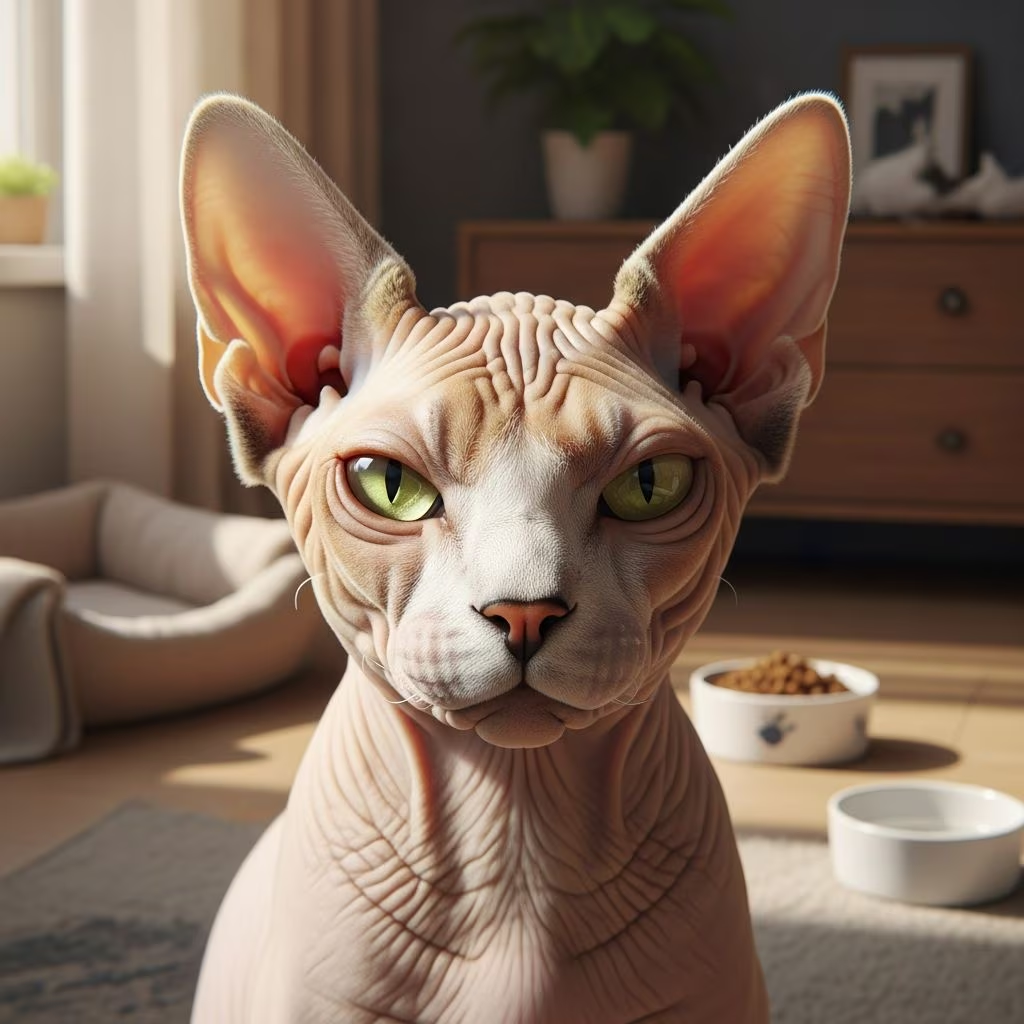
Sphynx cats, known for their distinctive hairless appearance and affectionate nature, have a lifespan that varies widely based on genetics, care, and health management. Recent veterinary studies indicate an average of around 6.7 to 7 years, though well-cared-for individuals can reach 15-20 years with proper attention.
Understanding the Average Lifespan of Sphynx Cats
The expected longevity of Sphynx cats differs from the general domestic cat average of 13-20 years. A UK study analyzing nearly 8,000 cat deaths from 2019-2021 found Sphynx cats had the shortest lifespan at 6.68-6.7 years, compared to the overall feline average of 11.7 years. Purebred cats like the Sphynx lived about 1.5 years less than mixed breeds.
Contrasting views from pet care resources suggest 15-20 years for Sphynx under ideal conditions, highlighting the role of environment and veterinary intervention. This discrepancy underscores that while genetic predispositions limit averages, proactive care can significantly extend life.
Genetic Origins and Their Impact on Longevity
Sphynx cats trace back to a small founder population in the 1960s, with limited genetic diversity from just two original families. Crossbreeding with breeds like Devon Rex introduced healthier traits but also inherited mutations, leading to higher disease risks.
The hairless trait stems from a mutation in the KRT71 gene, resulting in weak, sparse fur that falls out easily. This lack of coat contributes to unique vulnerabilities but is not the primary lifespan limiter. Newer breeding efforts aim to broaden the gene pool for improved vitality.
Key Health Conditions Affecting Sphynx Lifespan
Sphynx cats face elevated risks for several hereditary issues that can shorten life if unmanaged.
Hypertrophic Cardiomyopathy (HCM)
HCM, the leading heart condition in cats, thickens the heart muscle, impairing blood flow. In Sphynx, genetic screening reveals high prevalence: a 2012 study of 114 cats found 34% affected, including 23 with HCM and 16 with mitral valve dysplasia. Males develop it earlier (average 19 months) than females (29 months). The ALMS1 gene mutation is implicated in 87% of cases.
Symptoms may be absent until advanced stages like heart failure or thromboembolism. Annual echocardiography is recommended for early detection.
Congenital Myasthenic Syndrome
This neuromuscular disorder, linked to the COLQ gene from Devon Rex ancestry, disrupts nerve-to-muscle signals, causing weakness and fatigue. Affected cats require careful monitoring during meals to avoid choking. With management, lifespan can match healthy peers.
Respiratory and Skin Vulnerabilities
Without fur, Sphynx are prone to respiratory infections, exacerbated by their brachycephalic (short-nosed) faces, which hinder breathing in heat or humidity. Allergens reach airways more easily, increasing asthma or bronchitis risks.
Sun exposure risks sunburn and skin cancer; they also suffer in cold without sweaters or warm environments.
Other Concerns: Urolithiasis and More
Sphynx are overrepresented in urate urolithiasis cases, with bladder stones noted in studies. General issues like obesity from high metabolism demand balanced diets.
Daily Care Practices to Maximize Lifespan
Targeted care counters genetic weaknesses, potentially pushing lifespan toward the higher end.
- Warm Environment: Maintain 77-86°F (25-30°C) indoors; use heated beds, clothing, and drafts-free spaces to prevent hypothermia.
- Skin Hygiene: Weekly baths with gentle shampoo prevent oily buildup; moisturize to avoid dryness or infections.
- Nutrition: High-calorie, high-protein diets support metabolism; avoid obesity with portion control.
- Sun Protection: Limit direct UV; use cat-safe sunscreen or shaded areas.
- Exercise: Encourage play to build muscle and prevent weakness episodes.
Veterinary Screening and Preventive Measures
Regular checkups are crucial. Baseline HCM screening at 1 year, repeated annually; genetic tests for ALMS1 and COLQ. Vaccinations, parasite control, and dental care address secondary risks.
| Age Milestone | Recommended Checks |
|---|---|
| 6-12 months | HCM echo, genetic testing, full exam |
| Annually after 1 year | Heart scan, bloodwork, skin/respiratory eval |
| Senior (7+ years) | Kidney/liver function, cancer screen |
Comparing Sphynx Lifespan to Other Breeds
Sphynx lag behind long-lived breeds like Burmese or Birman (top in UK study) but match some with care.
| Breed | Average Lifespan (years) |
|---|---|
| Sphynx | 6.7-20 |
| Burmese | 14-18 |
| Siamese | 15-20 |
| Domestic Shorthair | 13-18 |
Lifestyle Choices for Longer Life
Indoor-only living avoids traumas/ predators. Social interaction suits their dog-like personalities, reducing stress. Spaying/neutering prevents cancers and roaming risks.
Realistic Expectations for Sphynx Owners
While averages are sobering, many Sphynx exceed 12-15 years with diligent care. Forum anecdotes report 12-20 years for pampered cats. Focus on quality over quantity through health vigilance.
Frequently Asked Questions (FAQs)
How long do Sphynx cats typically live?
Studies show 6.7 years average, but up to 20 with excellent care.
Why do Sphynx have shorter lifespans?
Genetic bottlenecks lead to HCM and myasthenia; hairlessness adds environmental risks.
Can HCM be prevented in Sphynx?
Not fully, but screening and breeding avoid high-risk lines.
What diet extends Sphynx life?
High-protein, calorie-dense food tailored to hairless metabolism.
Do Sphynx need special housing?
Yes, warm, humid-free spaces with bathing routines.
References
- How long does a Sphynx cat live? — Koko Genetics Blog. 2023. https://blog.kokogenetics.com/en/how-long-does-a-sphynx-cat-live/
- Sphynx cat — Wikipedia. 2024-01-15. https://en.wikipedia.org/wiki/Sphynx_cat
- Cat Breeds That Live the Longest — PetVet Care Centers. 2023-02-28. https://www.petvetcarecenters.com/site/blog/2023/02/28/cat-breeds-that-live-longest
- Sphynx life expectancy? — Sphynx Lair Forum. 2015. https://sphynxlair.com/community/threads/sphynx-life-expectancy.17358/



