

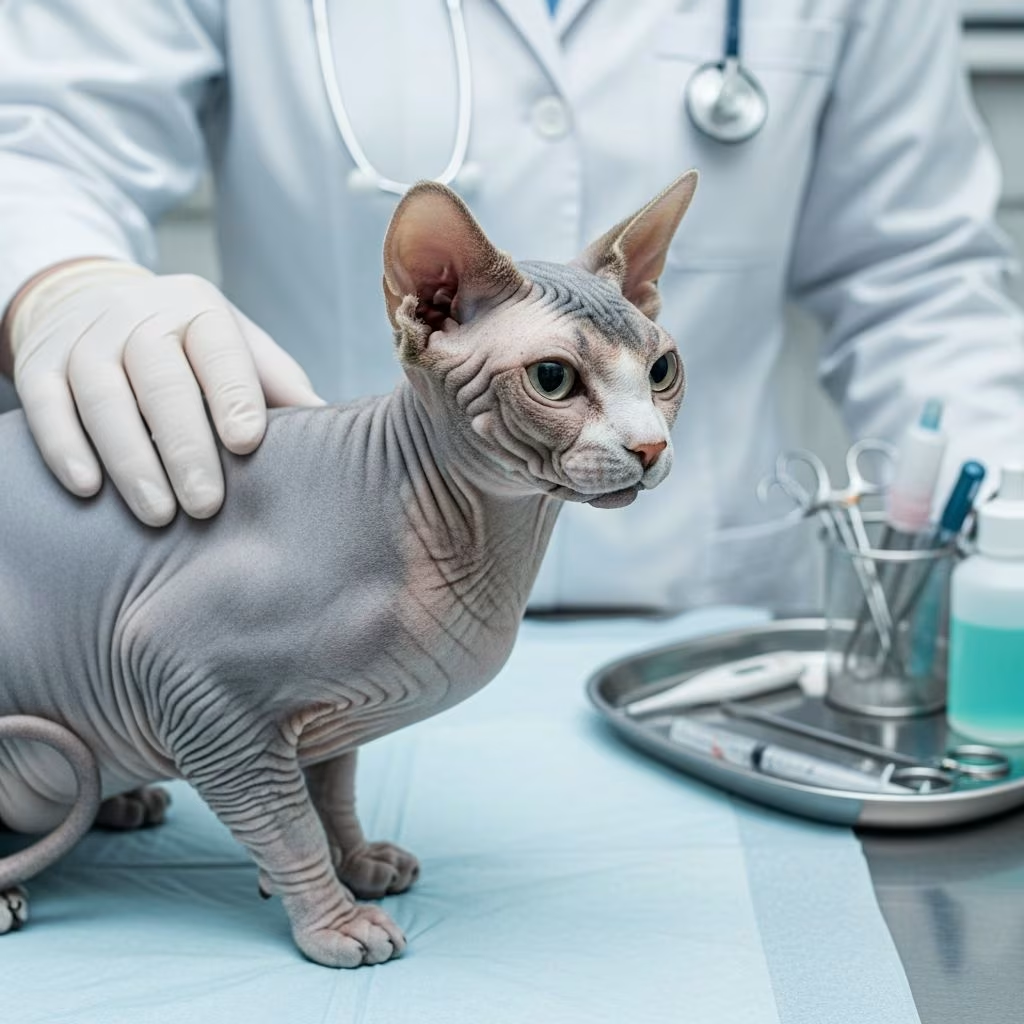
Sphynx cats, beloved for their unique hairless appearance and affectionate personalities, face distinct health vulnerabilities due to their lack of fur and genetic predispositions. Understanding these risks empowers owners to provide targeted care, potentially extending their lifespan and improving quality of life. This guide delves into prevalent conditions, symptoms, prevention methods, and care routines tailored for this breed.
Understanding the Unique Physiology of Sphynx Cats
The Sphynx’s hairless trait stems from a genetic mutation that affects fur development, leaving their skin exposed and oil-producing glands overactive. This leads to specific challenges not seen in furred breeds. Their skin requires meticulous maintenance to prevent buildup of sebum, which can harbor bacteria and fungi. Additionally, without fur insulation, they struggle with environmental temperature fluctuations, making climate control crucial in their living spaces.
Genetic factors also play a role, with certain hereditary conditions appearing more frequently in Sphynx populations. Responsible breeding practices, including health screenings, can mitigate some risks, but all owners must remain vigilant. Routine veterinary examinations, ideally every six months, allow for early detection of subtle issues.
Skin and Coat Challenges in Hairless Cats
Without fur to wick away oils, Sphynx cats produce excess sebum that accumulates on their skin, fostering conditions like acne, rashes, and infections. Fungal overgrowth, such as Malassezia dermatitis, thrives in these oily environments, causing itchiness and discoloration. Sunburn is another concern, as their pink skin offers no UV protection; even brief direct exposure can lead to burns or long-term skin cancer risks.
- Regular bathing with mild, vet-recommended shampoos (1-2 times weekly) removes oils without stripping natural moisture.
- Apply moisturizers or wipes designed for hairless cats post-bath to maintain skin barrier integrity.
- Limit sun exposure and use pet-safe sunscreen on ears, nose, and paws during outdoor time.
Owners should inspect skin weekly for blackheads, redness, or unusual spots like urticaria pigmentosa, which presents as raised, pigmented lesions. Early intervention with topical treatments prevents escalation to chronic dermatitis.
Temperature Sensitivity and Environmental Needs
Sphynx cats have impaired thermoregulation, chilling quickly below 70°F (21°C) and overheating above 80°F (27°C). In cold weather, they seek heat sources excessively, risking burns from radiators or appliances. Hot climates exacerbate dehydration and heatstroke due to ineffective panting.
| Season | Ideal Indoor Temperature | Essential Gear |
|---|---|---|
| Winter | 72-78°F (22-26°C) | Heated beds, sweaters, draft blockers |
| Summer | 68-75°F (20-24°C) | Cooling mats, fans, shaded retreats |
| Year-Round | Controlled humidity 40-60% | Humidifiers, air purifiers |
Provide multiple warm or cool zones in the home, and never allow unsupervised outdoor access in extreme weather. Monitor for shivering, lethargy, or rapid breathing as signs of distress.
Ear Care: Preventing Buildup and Infections
Hairless ear canals accumulate wax rapidly without fur to trap debris, leading to bacterial or yeast infections. Chronic cases cause pain, balance issues, and hearing loss if untreated. Symptoms include foul odor, dark discharge, head shaking, and sensitivity to touch.
- Weekly cleaning with vet-approved solutions and cotton pads—never insert swabs deep into the canal.
- Dry ears thoroughly after baths to avoid moisture-related growths.
- Schedule professional cleanings during vet visits for thorough removal.
Untreated infections can spread to the middle ear, causing vestibular disease with symptoms like circling or nystagmus. Prompt antibiotic or antifungal therapy resolves most cases effectively.
Cardiac Conditions: HCM and Related Complications
Hypertrophic cardiomyopathy (HCM) affects up to 15-20% of Sphynx cats, where heart walls thicken, impeding blood flow and risking heart failure or clots. Feline aortic thromboembolism (FATE), or saddle thrombus, occurs when clots lodge in arteries, often paralyzing hind legs with acute pain.
Symptoms of HCM include murmurs (detectable via stethoscope), gallop rhythms, lethargy, and dyspnea. FATE presents suddenly with dragging limbs, cool extremities, and vocalizing in agony—an emergency requiring immediate veterinary intervention.
- Annual echocardiograms screen for HCM, especially in cats over 1 year.
- Beta-blockers or anti-clotting meds manage diagnosed cases.
- Monitor weight and appetite closely, as cachexia signals progression.
Muscular and Neurological Weaknesses
Hereditary myopathy, linked to nerve-muscle signal defects, manifests in kittens aged 3-24 weeks with tremors, bunny-hopping gait, and fatigue. Progression leads to collapse and inability to jump or climb. While not curable, supportive care like physical therapy aids mobility.
Differentiate from other causes like malnutrition or toxins via veterinary diagnostics including bloodwork and muscle biopsies. Early diagnosis via genetic testing in breeding lines helps reduce incidence.
Oral Health: Battling Periodontal Disease
Sphynx cats suffer accelerated plaque buildup, progressing to gingivitis and periodontitis. By age 3, over 70% show signs like halitosis, gingival bleeding, and tooth resorption. Pain leads to drooling, pawing at mouth, and reduced eating.
Prevention strategies:
- Daily toothbrushing with enzymatic paste and pet toothbrush.
- Dental diets or treats reduce tartar.
- Professional cleanings under anesthesia every 6-12 months.
Advanced cases may require extractions, but proactive care preserves teeth and prevents systemic spread of bacteria to heart or kidneys.
General Wellness and Common Feline Ailments
Beyond breed-specific issues, Sphynx cats face universal cat problems like urinary tract disorders (FLUTD), parasites, and eye conditions (conjunctivitis, ulcers). Obesity from high-calorie needs (due to higher metabolism) exacerbates joint and cardiac strain.
Nutrition tips: Feed high-quality, grain-free wet foods portioned to maintain lean body weight. Ensure constant fresh water access, preferably filtered or flowing fountains, to combat dehydration risks.
Veterinary Care Routine for Longevity
Wellness exams twice yearly include blood panels, urinalysis, blood pressure, and breed-specific screens (HCM echo, dental radiographs). Vaccinations against core diseases (FVRCP, rabies) and parasite preventives are non-negotiable.
Behavioral red flags—appetite loss, litter avoidance, vocal changes—warrant immediate checks. Hydration support via wet food and timed meals aids digestion in sensitive stomachs.
FAQs: Sphynx Health Essentials
How often should I bathe my Sphynx cat?
Bathe weekly with gentle, hypoallergenic products to control oils, followed by moisturizing.
Can Sphynx cats go outside?
Limited, supervised time only in mild weather; indoor living is safest to avoid temperature extremes and hazards.
What vaccines do Sphynx cats need?
Core vaccines: FVRCP (feline viral rhinotracheitis, calicivirus, panleukopenia), rabies; discuss FeLV based on lifestyle.
At what age do health screenings start for HCM?
Begin at 1 year annually, as the condition can develop later.
Is dental disease preventable in Sphynx cats?
Yes, through daily brushing, dental products, and regular vet cleanings.
Daily Care Checklist for Sphynx Owners
- Skin wipe-down and oil check.
- Ear inspection and gentle clean.
- Temperature zone verification.
- Portioned feeding with hydration boost.
- Play session for muscle tone.
- Oral hygiene routine.
Implementing these practices minimizes risks, allowing Sphynx cats to enjoy 12-15 healthy years. Consult your vet for personalized plans.
References
- Sphynx Cat Health Problems: 6 Vet-Reviewed Issues — Catster. 2023-10-15. https://www.catster.com/cat-health-care/sphynx-cat-health-problems/
- Checking for Sphynx Cat Health Issues: Why Regular Vet Visits Matter — Purebred Kitties. 2024-05-20. https://purebredkitties.com/blogs/sphynx-cat/sphynx-cat-health-check-the-importance-of-vet-visits
- The Vet’s Guide to Sphynx Cats: Facts, Care, and Training Tips — Vets Love Pets. 2023-08-12. https://vetslovepets.com.au/blogs/cat/sphynx-breed-guide
- Sphynx Cat Guide | Complete Breed & Care Information — Belton Vet Clinic. 2024-02-10. https://www.beltonvetclinic.com/services/cats/breeds/sphynx
- What You Need to Know When Bringing Home a Sphynx Cat — Denver Vet. 2022-04-06. https://www.denvervet.com/site/blog/2022/04/06/bringing-home-sphynx-cat



