

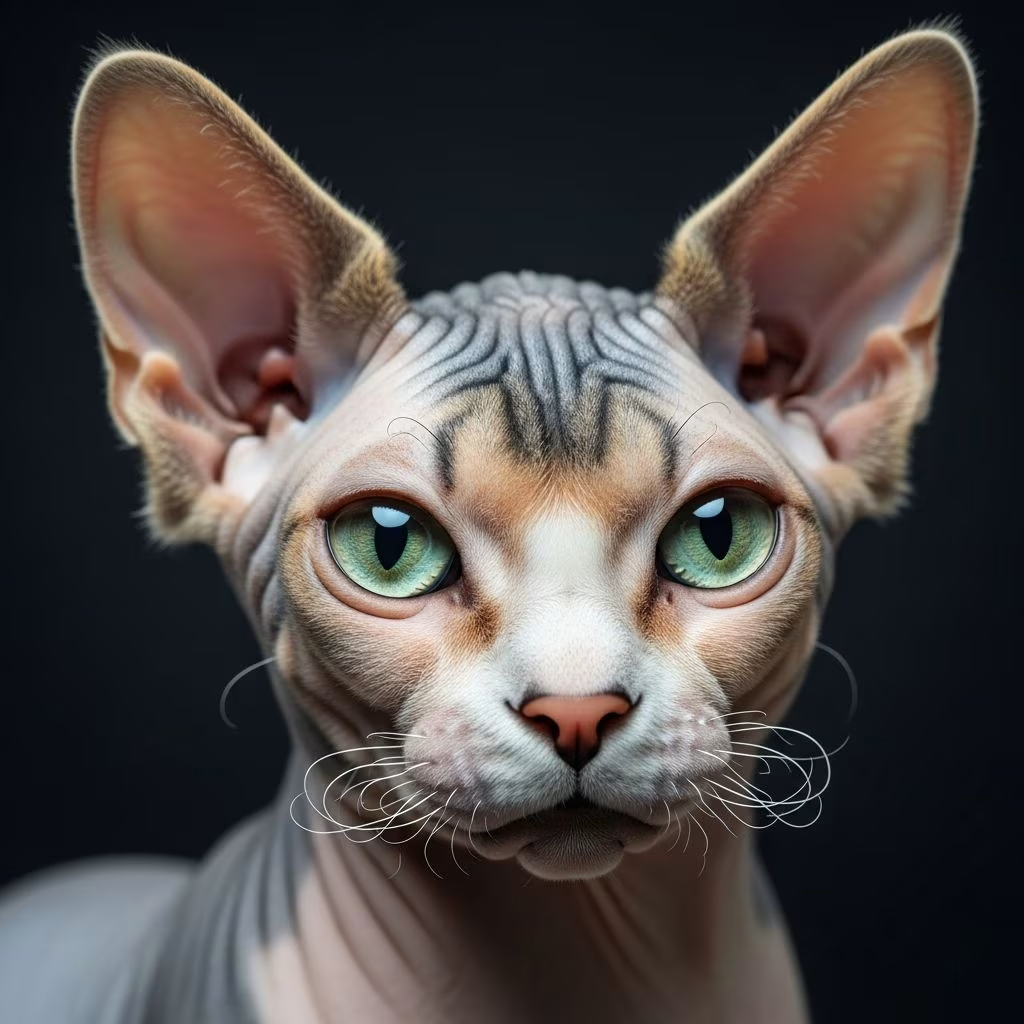
The Sphynx cat captivates with its bald, wrinkled skin and vibrant personality, making it a standout choice among feline breeds. Far from the aloof stereotype of cats, Sphynxes thrive on human interaction, blending the independence of felines with dog-like devotion.
Distinctive Physical Features of Sphynx Cats
Sphynx cats are medium-sized, typically weighing 6 to 12 pounds, yet they boast a surprisingly muscular build that belies their slender frames. Their bodies feel warm to the touch due to the absence of insulating fur, and loose skin forms elegant wrinkles, especially around the shoulders, legs, and face.
Key standout traits include:
- Large, bat-like ears: Often exceeding 2-3 inches, positioned high on a wedge-shaped head with prominent cheekbones.
- Expressive lemon-shaped eyes: Wide-set, conveying perpetual curiosity and intelligence.
- Whip-like tail: Long, slender, and tapering to a fine point, aiding in their acrobatic feats.
- Thick paw pads: Cushioned for silent, agile movement, sometimes described as walking on pillows.
Though hairless, Sphynxes possess a fine layer of peach-fuzz down, most noticeable on ears, paws, and tails. This “suite” coat varies by individual, with some appearing completely bald and others sporting subtle fuzz.
| Body Part | Characteristic | Function/Benefit |
|---|---|---|
| Head | Modified wedge, prominent whiskers | Enhances alert, sweet expression |
| Body | Muscular, rounded belly appearance | Supports high energy and jumping ability |
| Legs | Sturdy, rear slightly longer | Enables powerful leaps and speed |
| Skin | Wrinkled, warm, soft texture | Regulates body heat effectively |
Color variations abound despite the lack of fur: solids like white, black, blue, red, and lavender; patterns such as tabby, calico, tortoiseshell, pointed, and mink. These show vividly on their skin.
Temperament and Behavioral Traits
Sphynxes are renowned for their extroverted, people-oriented nature, often called “Velcro cats” for their constant desire to be near owners. They follow family members room-to-room, perch on shoulders like parrots, and burrow under covers at night.
Highly intelligent and inquisitive, they demand mental stimulation through interactive toys, puzzle feeders, and simulated hunts. Their playful energy rivals puppies; many fetch toys and perform acrobatic jumps to entertain.
- Affectionate and loyal: Form deep bonds, thriving on cuddles and attention.
- Sociable with others: Excel with children, dogs, and other cats if properly socialized.
- Vocal communicators: Chatter steadily about needs like food or play, though not overly loud.
- Mischievous humor: Display unexpected antics despite their serious-looking faces.
Not suited for solitary lifestyles, Sphynxes may vocalize excessively or act out if ignored. They adapt well to calm households but require experienced owners prepared for their high-maintenance affection.
Historical Origins and Breed Development
The modern Sphynx emerged in 1966 from a hairless kitten born to a domestic cat in Toronto, Canada. Breeders selectively paired these mutants to establish the line, with later outcrosses to Devon Rex for vitality. Recognized by TICA in 1979 and CFA in 2002, Sphynxes gained global popularity for their exotic allure and companion qualities.
Ancient Egyptian cat depictions may have inspired the name, evoking statues of revered felines, though the breed is a 20th-century creation.
Essential Care and Grooming Routines
Without fur to self-clean, Sphynxes need weekly baths using mild, pet-safe shampoos to remove body oils that accumulate rapidly. Dry them thoroughly to prevent chills, and consider heated environments.
Nutrition and Environment:
- High-protein diets support their muscular builds; feed measured portions to avoid obesity from their hearty appetites.
- Maintain 70-80°F indoors; provide heated beds, ceramic bowls for warmth retention, and draft-free spaces.
- Nail trims bi-weekly, ear cleanings monthly to prevent buildup, and teeth brushing for oral health.
Skin protection includes occasional moisturizers, but avoid lotions with toxic ingredients like tea tree oil. Interactive play sessions (30-60 minutes daily) prevent boredom-induced mischief.
Health Considerations and Lifespan
Sphynxes enjoy 8-14 years on average, with robust health overall. Common concerns include:
- Hypertrophic Cardiomyopathy (HCM): Heart muscle thickening; screen via echocardiogram.
- Hereditary Myopathy: Muscle weakness; monitor for symptoms.
- Skin Issues: Acne, oil buildup, sunburn risk—use cat-safe sunscreen outdoors.
- Other: Dental disease, obesity if overfed.
Annual vet checkups, vaccinations, and parasite prevention are crucial. Indoor-only living minimizes risks.
Choosing and Living with a Sphynx
Prospective owners should seek reputable breeders adhering to health testing standards from CFA or TICA. Kittens cost $1,800-$4,500, reflecting rarity and care.
Ideal homes: Active singles/couples, families with older kids, multi-pet households. Avoid if allergies to cat dander persist (oils carry allergens) or if constant companionship isn’t feasible.
| Pros | Cons |
|---|---|
| Endless affection and entertainment | High grooming and warmth needs |
| Hypoallergenic potential | Potential health screenings |
| Great with kids/pets | Not low-maintenance |
Frequently Asked Questions (FAQs)
Are Sphynx cats hypoallergenic?
Partially; they produce less fur but oils trap dander. Many allergy sufferers tolerate them better.
Do Sphynx cats get cold easily?
Yes, keep homes warm and provide cozy spots like cat trees with heating pads.
Can Sphynx cats go outside?
Best indoors; skin burns easily, and they’re escape artists.
How often do I bathe a Sphynx?
Weekly to bi-weekly, depending on oiliness.
Are Sphynx cats good for beginners?
Best for experienced owners due to their needs.
Training and Enrichment Tips
Leverage their smarts with clicker training for tricks like sit, fetch, or high-five. Rotate toys, create obstacle courses, and use food puzzles to mimic hunting. Socialize early for well-adjusted adults.
Sphynxes flourish in enriched environments, turning homes into playgrounds of tunnels, shelves, and perches.
References
- Sphynx Cat Personality Traits: How Do Sphynx Cats Act? — Litter-Robot. 2023. https://www.litter-robot.com/blog/sphynx-cat-personality/
- Sphynx Cat Breed — Hill’s Pet Nutrition. 2024. https://www.hillspet.com/cat-care/cat-breeds/sphynx
- Sphynx Cat Breed Information — Purina UK. 2024. https://www.purina.co.uk/find-a-pet/cat-breeds/sphynx
- All About Sphynx Cats — ASPCA Pet Health Insurance. 2024. https://www.aspcapetinsurance.com/resources/sphynx-cat-breed-information/
- Sphynx — The International Cat Association (TICA). 2024. https://tica.org/breed/sphynx/
- Sphynx — The Cat Fanciers’ Association (CFA). 2024. https://cfa.org/breed/sphynx/



