

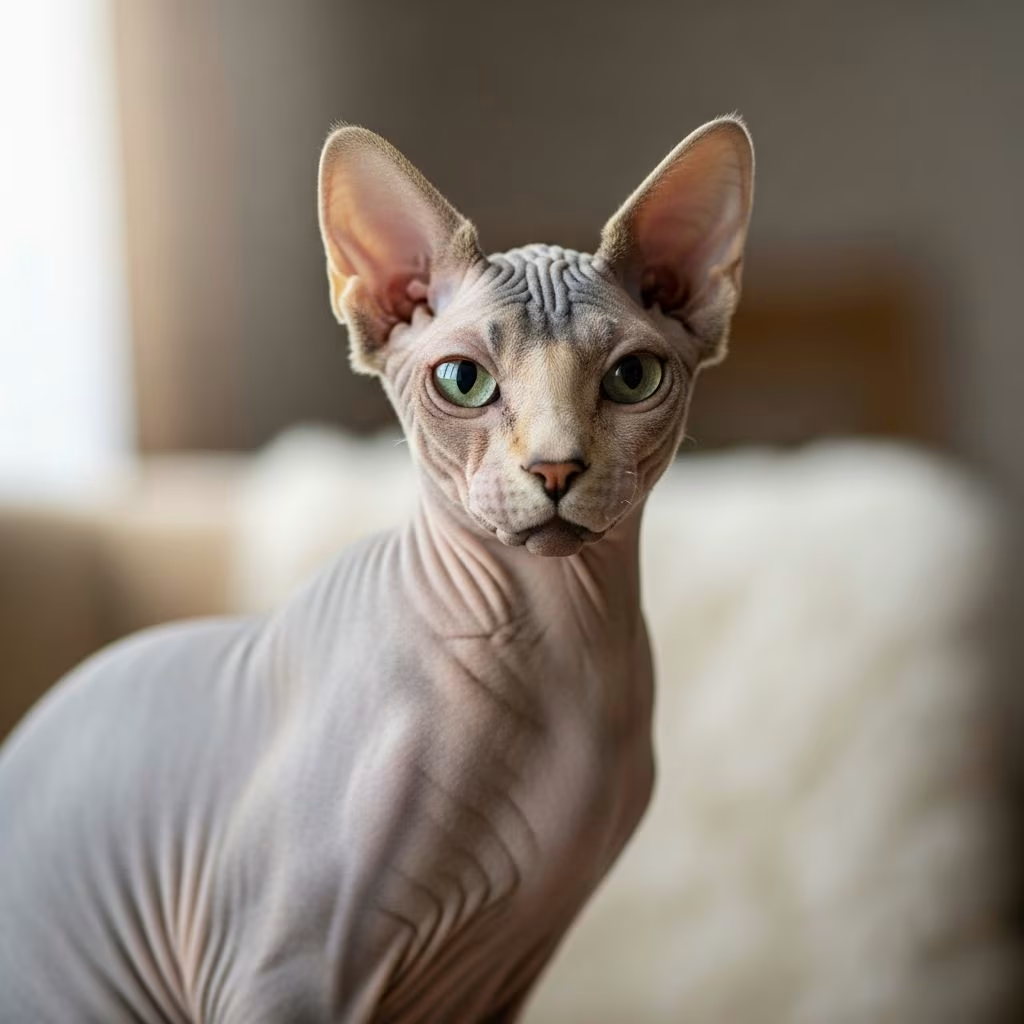
Among the world’s cat breeds, few capture attention quite like the Sphynx. With their striking hairless bodies, prominent ears, and wrinkled skin, these felines stand out dramatically from their fur-covered cousins. Yet what truly sets them apart extends far beyond their unusual appearance. The Sphynx cat represents a fascinating intersection of genetics, selective breeding, and unexpected personality traits that have made them increasingly popular among dedicated cat enthusiasts seeking a truly unique companion.
Tracing the Remarkable Origins of This Modern Breed
Contrary to what their Egyptian-sounding name might suggest, the Sphynx cat has no connection to ancient Egypt or the African continent. Instead, this breed emerged from a serendipitous genetic event in Toronto, Canada, during 1966.During this year, a domestic shorthair cat gave birth to a hairless kitten named Prune due to a natural genetic mutation, marking the beginning of what would become a globally recognized breed.This spontaneous hairlessness sparked the curiosity of local breeders who recognized an opportunity to develop and refine this unusual trait.
The development of the modern Sphynx breed accelerated throughout the 1970s and 1980s. Breeders in Canada initially called their emerging cats “Canadian Hairless,” working diligently to stabilize and enhance the genetic mutation responsible for hairlessness. To broaden the genetic diversity and improve overall breed health, these pioneering breeders strategically crossed Sphynx cats with domestic shorthairs and other established breeds. This careful genetic management helped create the robust, healthy felines we recognize today.
As interest in the breed grew, it spread beyond Canada into the United States and Europe. When breeders in different regions began developing their own lines, they produced variations that eventually culminated in the contemporary Sphynx we know today. The International Cat Association officially recognized the Sphynx as a distinct breed in 2005, providing formal legitimacy to decades of selective breeding efforts. Despite this recognition, some cat registries remain skeptical about endorsing a breed based on what they consider a genetic abnormality, though responsible breeding has produced healthy, thriving cats.
The Distinctive Physical Appearance That Defines the Breed
The most immediately apparent characteristic of any Sphynx cat is the absence of a traditional fur coat. However, these cats are not completely hairless. Most Sphynx cats display varying degrees of hairlessness, with some possessing a very fine “peach fuzz” covering their entire body while others may have only subtle fuzz on their extremities or a fine hair bridge across the nose. This delicate coating gives their skin a characteristic suede-like texture when touched.
Without fur to conceal their underlying structure, the Sphynx’s muscular physiology becomes fully visible, revealing a remarkably robust and well-proportioned frame. Their body composition reflects both power and elegance, built on long, slender lines that give them an athletic appearance despite their sometimes thin presentation.
Key Physical Characteristics
- Head Shape: Distinctly wedge-shaped with prominent cheekbones that add to their exotic appearance
- Eyes: Large and lemon-shaped, typically bright and alert, conveying their intelligent nature
- Ears: Exceptionally large, bat-like proportions with hair on the inner surface but soft down on the outer edges
- Body Structure: Medium-length, well-muscled neck supporting a barrel-chested torso with a characteristic rounded abdomen
- Legs and Paws: Long, elegant legs that appear disproportionately lengthy relative to body size, paired with rounded paws featuring unusually thick paw pads
- Tail: Whip-like and tapering from body to tip, sometimes featuring fur coverage or a distinctive lion-like puff at the terminus
- Skin: Displays wrinkles, particularly around the face and neck, with variable coloration and pigmentation patterns
The overall impression created by these combined features is one of alertness, intelligence, and unmistakable uniqueness. These cats possess bone structure and musculature visible to observers, displaying a remarkably robust physique with somewhat loose skin that creates wrinkles in various locations.
Understanding Sphynx Personality and Behavioral Traits
Perhaps more remarkable than their appearance is the Sphynx cat’s distinctive personality profile. These felines exhibit behavioral characteristics that defy many traditional feline stereotypes, earning them frequent comparison to dogs in terms of social orientation and loyalty.
Social and Affectionate Nature
Sphynx cats are energetic, intelligent, and affectionate creatures, known for their almost dog-like friendliness toward both family members and strangers. These cats genuinely crave human interaction and do not accept being ignored or left alone for extended periods. They actively seek involvement in their owner’s daily activities, often “supervising” household tasks and attempting to “help” with everything from paperwork to home repair projects.
Rather than the independent nature typical of many cat breeds, Sphynx felines form intense bonds with their human companions. They tend to follow their owners from room to room, maintaining constant awareness of their person’s location and activities. This attachment style makes them excellent companions for individuals seeking an interactive, involved pet rather than a distant or aloof animal.
Communication and Vocalization
Sphynx cats are notably talkative, communicating their needs—which typically revolve around attention or food—very clearly through steady chatter as they follow owners from room to room. While not necessarily classified as loud cats, they maintain a more vocal presence than many breeds, expressing themselves through various meows and vocalizations. This tendency to communicate verbally reflects their intelligence and desire for ongoing interaction with their human household members.
Intelligence and Curiosity
Sphynx cats demonstrate curious, outgoing, and highly intelligent personalities, showing anything but shyness in their interactions. These felines display problem-solving abilities and genuine interest in their environment, making them capable of learning tricks and responding to training techniques typically associated with dog ownership. Their inquisitive nature means they benefit from environmental enrichment, interactive play, and mental stimulation to maintain psychological well-being.
Essential Care and Maintenance Requirements
The unique physical characteristics of Sphynx cats necessitate specialized care protocols that differ significantly from those required by traditional furred breeds. Prospective owners must understand and commit to these specific maintenance needs before acquiring a Sphynx.
Skin Care and Hygiene
Without a fur coat to absorb and manage natural body oils, Sphynx cats require regular skin maintenance. Their hairless bodies accumulate oils on the skin surface, necessitating periodic bathing to prevent buildup that can cause discomfort or skin irritation. Regular cleaning is essential to manage body oils on their skin, with grooming typically required once weekly. Bathing should be performed gently using warm water and mild, cat-appropriate cleansers.
Beyond bathing, owners must pay attention to the cat’s ears, which due to their large size and inner hair covering, can accumulate debris and require regular cleaning. The facial wrinkles that contribute to their distinctive appearance also need attention, as they can trap moisture and require careful drying to prevent fungal or bacterial growth.
Environmental Sensitivity
The absence of a protective fur coat makes Sphynx cats significantly more sensitive to environmental temperature fluctuations compared to furred breeds. These cats are soft and delicate with very loose skin, requiring protection from cold weather similar to other cats despite their unique physiology. They require consistently warm indoor environments and benefit from heated beds, warm blankets, and protected spaces away from drafts or air conditioning vents.
Equally important is protection from excessive heat and direct sunlight, as their exposed skin can sunburn. Indoor housing is typically essential for Sphynx cats, as outdoor exposure poses multiple risks including temperature extremes, pest bites, and environmental hazards.
Nutritional Considerations
Sphynx cats generally possess faster metabolic rates compared to typical house cats, resulting in greater caloric requirements and voracious appetites. Providing high-quality, nutritionally complete cat food in appropriate portions helps maintain their health and energy levels. Owners should consult veterinary professionals regarding optimal dietary choices and feeding schedules specific to individual cats’ needs.
Health Considerations for Sphynx Cat Ownership
While responsible breeding has produced generally healthy Sphynx cats, potential owners should understand breed-specific health considerations. Some registries historically rejected breed recognition because the hairlessness is based on a genetic abnormality that may potentially impact the cat’s lifespan and overall health. Working with reputable breeders who implement rigorous health screening and genetic testing significantly reduces the likelihood of inheriting health problems.
Common health concerns in Sphynx cats may include heart conditions, skin sensitivities, and ear infections. Regular veterinary check-ups, preventive care, and prompt attention to any health changes help ensure these cats maintain good quality of life throughout their years.
Suitability for Different Household Environments
Sphynx cats benefit from experienced owners and need high-level enrichment including simulated hunting games and interactive play. These requirements make them more suitable for dedicated, knowledgeable cat enthusiasts rather than first-time cat owners or households unable to provide substantial daily interaction.
These highly active and inquisitive cats need calm environments and are dependent on their human companions, making them not ideal for family homes with young children or those where cats will be regularly left alone. They can typically tolerate a few hours of solitude, but extended periods without human interaction can lead to behavioral issues and anxiety.
Comparing Sphynx Cats to Other Breeds
| Characteristic | Sphynx | Devon Rex | Cornish Rex | Standard Domestic Cat |
|---|---|---|---|---|
| Coat Type | Hairless/fine fuzz | Soft, wavy coat | Soft, curly coat | Traditional fur |
| Sociability | Extremely high | Very high | High | Variable |
| Grooming Needs | Frequent bathing | Regular brushing | Regular brushing | Minimal to moderate |
| Temperature Sensitivity | High | Moderate | Moderate | Low |
| Vocalization | High | Moderate to high | Moderate | Variable |
| Activity Level | Very high | Very high | High | Variable |
Frequently Asked Questions About Sphynx Cats
Are Sphynx cats truly hairless?
Not entirely. Most Sphynx cats have a fine layer of downy fuzz covering their bodies or concentrated in specific areas. The degree of hairlessness varies among individual cats, with some displaying more visible fuzz than others. This soft covering gives their skin a distinctive suede-like texture.
Do Sphynx cats require special bathing?
Yes, regular bathing is essential for Sphynx cats to manage skin oils. Most owners bathe their cats weekly using warm water and gentle, cat-safe cleansers. The frequency may vary based on individual cats’ oil production levels and owner preferences.
Can Sphynx cats live outdoors?
Indoor living is strongly recommended for Sphynx cats due to their temperature sensitivity, lack of protective fur against parasites and insects, and vulnerability to sunburn. Their unique physiology makes outdoor exposure potentially dangerous.
Are Sphynx cats hypoallergenic?
While some people with allergies find Sphynx cats more tolerable than furred breeds, true hypoallergenic cats do not exist. Allergic reactions to cats result from proteins in their saliva, urine, and skin secretions rather than fur alone. Sphynx cats still produce these allergens.
What is the typical lifespan of a Sphynx cat?
With proper care from responsible breeders and attentive owners, Sphynx cats typically live 8 to 15 years. Individual longevity depends on genetics, health screening, quality of care, and early detection and treatment of any health issues.
Do Sphynx cats get along well with other pets?
Sphynx cats’ social nature typically extends to other animals. Many do well with other cats, dogs, and household pets, though individual personalities vary. Early socialization helps ensure positive interactions with other animals.
Making the Decision: Is a Sphynx Cat Right for You?
Sphynx cat ownership represents a significant commitment that differs substantially from caring for traditional furred cats. These remarkable felines demand engaged, knowledgeable owners who can provide consistent interaction, specialized care, and appropriate environmental conditions. For individuals seeking an interactive, affectionate, and genuinely unique feline companion—and who possess the time, resources, and commitment to meet their specialized needs—a Sphynx cat can provide devoted companionship that few other cat breeds can match.
Their combination of striking physical appearance, dog-like personality traits, and intelligent engagement makes them endlessly fascinating to those prepared for their demanding nature. Understanding both the rewards and responsibilities of Sphynx ownership ensures that both cat and owner can thrive in their relationship.
References
- Sphynx Cat Breed Information — The Cat Fanciers’ Association. https://cfa.org/breed/sphynx/
- Sphynx Cat | The History, Traits, and Care — Feline Fancy. https://felinefancy.co.uk/blogs/cat-breeds-info/sphynx-cat
- History of the Hairless Cat | Sphynx — Dan’s Pet Care. https://danspetcare.com/pets/cmn5kbb9jkxj6ylrg864ne9wl2sz6w
- Sphynx Cat Breed Information — Purina UK. https://www.purina.co.uk/find-a-pet/cat-breeds/sphynx



