

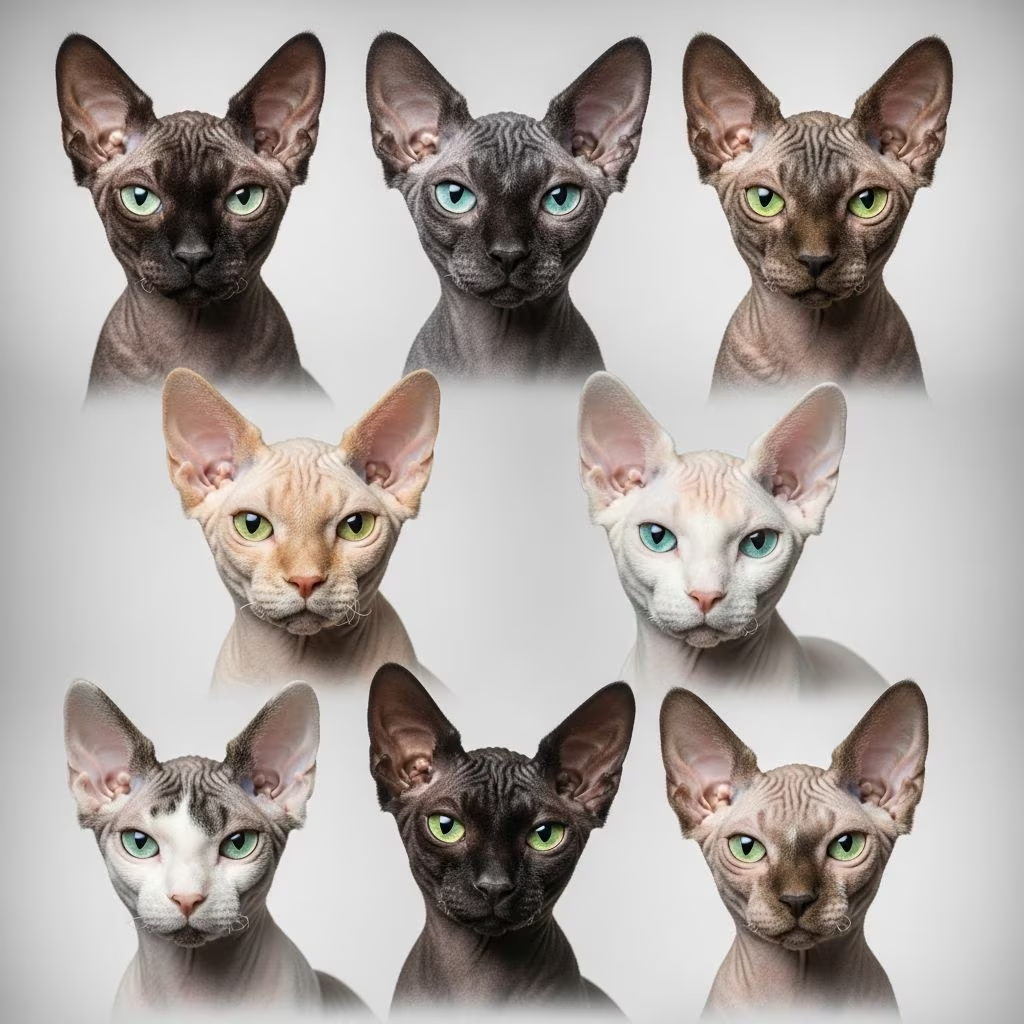
Sphynx cats, known for their hairless bodies and wrinkled skin, display a stunning array of colors and patterns directly on their skin. Unlike furry breeds where fur hides pigmentation, the Sphynx’s exposed skin showcases vivid hues that can intensify with sun exposure. This guide covers the eight primary Sphynx cat colors recognized by cat registries like the Cat Fanciers’ Association (CFA), including solids, bi-colors, tabbies, tortoiseshells, calicos, pointed, mink, and other Sphynx colors (OSC). We’ll explore genetics, variations, eye colors, and care tips to help owners appreciate and maintain these unique felines.
The 8 Sphynx Cat Colors
Sphynx cats come in nearly every color and pattern found in the feline world, thanks to their diverse genetics. All combinations are acceptable in shows, with sun exposure often darkening or intensifying shades. Kittens are typically born lighter and darken over the first two years.
1. Solid Color Sphynx
Solid color Sphynx feature one predominant shade across their skin, though nose leather and paw pads may vary slightly. Common solids include white, black, blue, red, cream, chocolate, lavender (lilac), cinnamon, fawn, sable, champagne, and platinum. Black skin appears dark gray in sunlight, while blue is a diluted black with a slate tone. Red gives a sun-kissed salmon look from phaeomelanin pigment. Chocolate evokes warm brown, and its dilute lavender adds a pinkish-gray hint.
These colors stem from melanin: eumelanin for black-based shades (black, chocolate, blue) and phaeomelanin for red-based (red, cream). Sun exposure intensifies them, so owners should use cat-safe sunscreen on ears and noses. Solid Sphynx are loving, playful companions regardless of hue.
2. Bi-Color
Bi-color Sphynx combine white with patches of solid colors, tabby, tortoiseshell, or pointed patterns. The van bi-color restricts color to head, tail, and legs, while harlequin features 50-75% white with markings on body and tail. Examples include white with black, blue, red, or tabby patches. These majestic combos create unique, striking appearances on hairless skin.
- White base with solid color patches
- White mixed with tabby or tortie
- Van: Color only on extremities
- Harlequin: Balanced white and color
Bi-colors add visual interest and are popular for their high-contrast patterns.
3. Tabby
Tabby patterns are complex, featuring concentric rings on legs and tails, ‘necklaces’ on the chest, an ‘M’ on the forehead, and a spine stripe. Sphynx tabbies come in mackerel (striped), spotted, and patched varieties. Colors include brown, silver, blue, red, cream, chocolate, chocolate-silver, cinnamon, cinnamon-silver, lavender, lavender-silver, and fawn.
On Sphynx skin, these markings are boldly visible, making tabbies stand out. The pattern genes overlay base colors for endless variety.
4. Tortoiseshell
Tortoiseshell (tortie) Sphynx display black mottled or patched with red or cream, often with a facial blaze. Variations include blue-cream, chestnut, cinnamon, lavender-cream, and fawn-cream. Unlike calicos, torties lack significant white, showing uneven blotches of color.
This pattern results from X-chromosome linked genes, making most torties female. The mottled effect is mesmerizing on smooth Sphynx skin.
5. Calico
Calico Sphynx have a white base with black and red patches, almost always female due to genetics (males are rare). Van calicos limit patches to extremities; dilute calicos use blue and cream. Other colors like fawn, lavender, cinnamon, and chocolate appear in classic or van styles.
Calicos are rarer on Sphynx, making them prized. White underbellies and legs enhance the tri-color drama.
6. Pointed
Pointed Sphynx, influenced by the Himalayan (colorpoint) gene, have lighter bodies with darker cooler areas: ears, face, paws, tail. Colors include seal, chocolate, blue, lilac points. Kittens start pale and darken over years. Nose and paw pads match points.
This temperature-sensitive pigmentation creates soft contrasts on hairless skin, distinct from furred Siamese.
7. Mink Pattern
Mink Sphynx resemble pointed but have even color distribution with slightly darker points and mild aqua eyes. They combine with other patterns (except pointed) in any color. Born darker than pointed kittens, minks maintain consistent shading lifelong.
Mink is a hybrid of pointed and sepia genes, offering subtle elegance.
8. OSC: Other Sphynx Colors
Other Sphynx Colors (OSC) is a catch-all for unique combos not fitting other categories, like any color with white feet (beyond locket/button allowance). All feline patterns qualify if unclassified elsewhere. Examples: smoke, shaded, or novel mixes.
OSC celebrates Sphynx diversity, with no penalties for minor white spots in shows.
Sphynx Cat Eye Colors
Sphynx eyes captivate, especially in white or fawn cats prone to heterochromia—one blue, one gold eye. Common colors: blue, copper, yellow, gold, orange, green. Pointed and mink often have aqua or blue eyes; solids pair with copper or green.
- Heterochromia: Rare, striking mismatch
- Blue: Common in pointed, white cats
- Copper/Gold: Matches warm skins
- Green/Odd: Unique pops
Sphynx Color Genetics Simplified
Sphynx colors arise from melanin types and modifier genes. Eumelanin (black) dilutes to blue/gray; phaeomelanin (red) to cream. Tabby, spotting, smoke genes add patterns. Temperature-sensitive genes create points/mink. Nearly all combos occur.
| Base Pigment | Colors | Dilute Version |
|---|---|---|
| Eumelanin (Cool) | Black, Chocolate | Blue, Lavender |
| Phaeomelanin (Warm) | Red | Cream |
| Pattern Modifiers | Tabby, Tortie | Spotted, Calico |
Grooming by Sphynx Color
Skin color influences care. Darker shades hide oil buildup; lighter ones show dirt/sun damage.
| Color Group | Care Tips |
|---|---|
| White & Cream | Cat-safe sunscreen on ears/nose; weekly pink skin checks; UV window film |
| Red & Tortoiseshell | Monitor sun redness; oatmeal baths; cotton shirts for outings |
| Black & Blue | Wipe folds with damp cloth; flashlight checks; oil baths |
| Point & Mink | Dry after baths; warm home for light tones |
Bathe bi-weekly with gentle shampoo, moisturize with vet-approved oil. Spay/neuter aids health.
Frequently Asked Questions (FAQs)
What are the most common Sphynx cat colors?
Solids like black, blue, white, and cream are widespread, followed by bi-colors and tabbies.
Do Sphynx kittens change color?
Yes, they lighten at birth and darken over 2 years, especially pointed and solids.
Can Sphynx cats have blue eyes?
Yes, common in pointed, white, or heterochromia cases.
Are calico Sphynx rare?
Yes, due to genetics requiring two X chromosomes; mostly female.
How does sun affect Sphynx colors?
It intensifies solids and reveals patterns; use protection to prevent burns.
This comprehensive look at Sphynx cat colors highlights their genetic marvels and care needs. Whether solid black or calico patchwork, these hairless wonders charm with personality and pigment.
References
- 8 Different Sphynx Cat Colors: Vet-Verified Info & Pictures — Catster. 2023. https://www.catster.com/lifestyle/sphynx-cat-colors/
- What Colors Can Sphynx Cats Be? — Litter-Robot. 2023. https://www.litter-robot.com/blog/sphynx-cat-colors/
- CFA Colors & Patterns — Beeblebrox Sphynx. 2023. https://www.beeblebroxsphynx.com/showing-sphynx/showing-sphynx/sphynx-colors
- Understanding Sphynx Cat Colors: A Complete Guide — WOpet. 2023. https://wopet.com/sphynx-cat-colors/



