

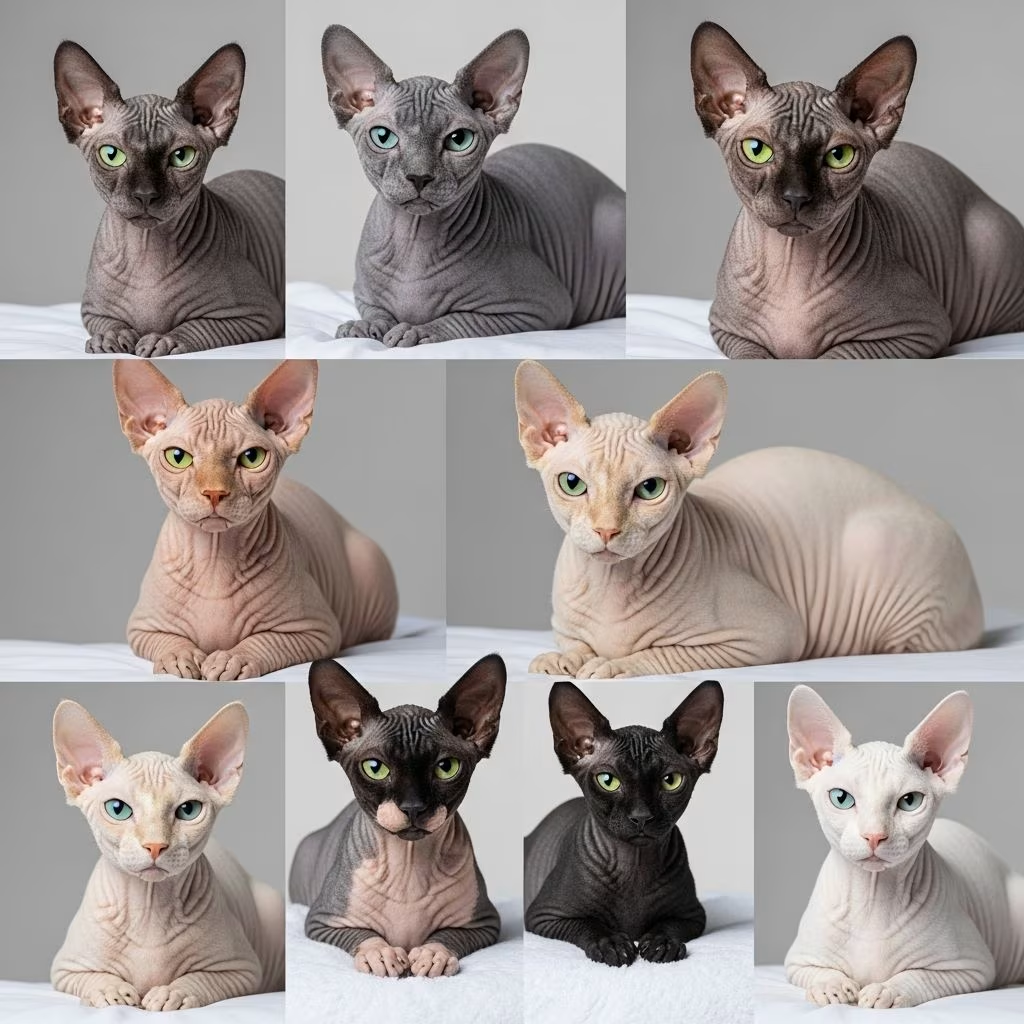
Sphynx cats, known for their hairless bodies and wrinkled skin, display a remarkable variety of colors and patterns directly on their skin. Unlike furry breeds where fur obscures pigmentation, the Sphynx’s exposed skin showcases vibrant hues ranging from solids to complex multicolored patterns. These colors are determined by genetics, with melanin pigments creating eumelanin (black-based) or phaeomelanin (red-based) shades, modified by dilution, spotting, and tabby genes. Sun exposure can intensify colors, making skin care essential. This guide covers the 8 main Sphynx cat colors recognized by bodies like the Cat Fanciers’ Association (CFA), including eye variations and practical tips.
The 8 Sphynx Cat Colors
Sphynx cats fit into eight primary color categories, each offering unique visual appeal on their sleek skin. These classifications help breeders and owners identify traits, though individual cats may blend categories under ‘Other Sphynx Colors’ (OSC). Understanding these aids in appreciating their genetics and selecting the right companion.
1. Solid Color Sphynx
Solid color Sphynx feature one predominant shade across their body, with nose leather and paw pads possibly matching or slightly differing. Common solids include white, black, blue, red, cream, chocolate, lavender, cinnamon, fawn, sable, champagne, and platinum. Black appears as dark gray in sunlight, while blue (diluted black) shows a steely slate tone. Red gives a sun-kissed salmon hue, and chocolate evokes warm brown. Sunlight intensifies these colors, so protection from direct UV is key to prevent fading or burns. Solid Sphynx are striking in their uniformity, making them popular for minimalist aesthetics.
- White: Pure pinkish skin, highly prone to sunburn.
- Black: Deep gray-black, hides oil buildup well.
- Blue: Cool dilute shade with steely blue pads.
- Red/Cream: Vibrant orange to soft peach tones.
- Chocolate/Lavender: Warm brown to pinkish-gray.
2. Bi-Color
Bi-color Sphynx combine white with patches of solid colors, tabby, tortoiseshell, or pointed patterns. The white acts as a base, with color confined to specific areas. Special types include van bi-color, where color limits to head, tail, and legs, and harlequin, featuring 50-75% white with markings on body and tail. Examples: black-and-white or tabby-and-white. These patterns create a majestic, high-contrast look unique to the hairless breed.
Bi-colors are playful and loving, their patterns enhancing their affectionate personalities. Owners often note how light plays on the white sections, highlighting wrinkles.
3. Tabby
Tabby patterns on Sphynx display classic stripes, swirls, or spots in various colors like brown, black, blue, cream, fawn, red, chocolate, or lavender. Skin folds accentuate the mackerel (striped), classic (swirled), or spotted tabs. These are bold and camouflaged in nature but pop vividly on bare skin. Tabbies are energetic, matching their dynamic patterns.
- Mackerel Tabby: Narrow stripes like a fish skeleton.
- Classic Tabby: Marble-like swirls on sides.
- Spotted Tabby: Round spots along the spine.
4. Tortoiseshell
Tortoiseshell (tortie) Sphynx show black mottled or patched with red or cream, often with a facial blaze. Varieties include blue-cream, chestnut, cinnamon, lavender-cream, and fawn-cream. Without white, torties feature uneven blotches of intermixed colors, creating a patchwork effect on the skin. Almost always female due to X-chromosome linkage, they exude feisty charm.
5. Calico
Calico Sphynx have a white base with distinct patches of black and red. Mostly female, rare males occur genetically. Van calicos limit patches to extremities; dilute calicos use blue and cream. Other combos: fawn, lavender, cinnamon, chocolate in classic or van styles. The tri-color display is jackpot-rare on hairless cats, with white underbellies and legs.
6. Pointed
Pointed Sphynx, influenced by the Himalayan gene, have lighter bodies with darker cooler areas: ears, face, paws, tail. Colors: seal, chocolate, blue, lilac points. Kittens start pale, darkening over two years. Aqua eyes distinguish similar minks. These elegant cats thrive in warmer homes to maintain light body tones.
7. Mink Pattern
Mink Sphynx resemble pointed but with even color distribution and mild aqua eyes. Darker body with slightly tinted points, stable from birth. Combinable with other patterns (except pointed) in any color. The subtle shading contrasts beautifully with eye hue.
8. OSC: Other Sphynx Colors
Other Sphynx Colors (OSC) catches all non-fitting combos, like solid color with white feet or unusual mixes. Examples: four differently colored paws or smoke/shaded effects where pale bases show under folds. This category celebrates the breed’s diversity.
Sphynx Cat Eye Colors
Sphynx eyes captivate, especially in white or fawn cats prone to heterochromia—one blue eye, one differently colored (gold, green, copper). Common colors: blue, copper, yellow, gold, orange, green. Odd-eye combos like blue-gold or blue-green are sought-after for drama. Eye color stabilizes post-kittenhood, complementing skin hues.
- Blue: Striking in whites and odds.
- Copper/Gold: Warm, classic Sphynx glow.
- Green: Rare, vibrant contrast.
- Heterochromia: Genetic treasure, healthy trait.
Sphynx Cat Color Genetics
Sphynx colors stem from melanin: eumelanin (black/chocolate/blue) and phaeomelanin (red/cream). Dilution genes lighten (black to blue), while tabby adds patterns. Sex-linked tortie/calico favors females. Temperature-sensitive points darken extremities. Smoke adds silver underlayers visible in folds. Breeders track these for predictable litters.
Skin Care by Sphynx Color
Hairless skin demands tailored care. Use sunscreen on lights, check folds on darks.
| Color Group | Care Tips |
|---|---|
| White & Cream | Cat-safe sunscreen on ears/nose; weekly pink skin checks; UV window film. |
| Red & Tortoiseshell | Monitor post-sun redness; oatmeal baths; cotton shirts for walks. |
| Black & Blue | Wipe oils with damp cloth; flashlight fold checks. |
| Point & Mink | Dry after baths; warm home for light tones. |
Bathe bi-weekly, moisturize, spay/neuter for health.
Frequently Asked Questions (FAQs)
What are the most common Sphynx cat colors?
Solids like black, blue, white, and cream dominate, followed by bi-colors and tabbies.
Can Sphynx cats have heterochromia?
Yes, especially whites/fawns; blue-gold is popular and healthy.
Do Sphynx colors change over time?
Pointed/mink darken for 2 years; sun intensifies solids.
Are calico Sphynx rare?
Yes, tri-color genetics make them mostly female and uncommon.
How to care for Sphynx skin by color?
Light colors need sun protection; darks require oil wiping.
(Word count: 1678)
References
- 8 Different Sphynx Cat Colors: Vet-Verified Info & Pictures — Catster. 2023-10-15. https://www.catster.com/lifestyle/sphynx-cat-colors/
- The Naked Truth About Odd Eye Sphynx Cats: Complete Guide — Think Sphynx Cattery. 2025-01-01. https://www.thinksphynxcattery.com/the-naked-truth-about-odd-eye-sphynx-cats-complete-guide-to-heterochromia-in-hairless-breeds-2025/
- What Colors Can Sphynx Cats Be? — Litter-Robot. 2024-05-20. https://www.litter-robot.com/blog/sphynx-cat-colors/
- Understanding Sphynx Cat Colors: A Complete Guide — WOpet. 2024-08-10. https://wopet.com/sphynx-cat-colors/
- Sphynx Color Q&A — Sphynx Lair. 2023-03-12. https://sphynxlair.com/community/threads/sphynx-color-q-a.25625/



