

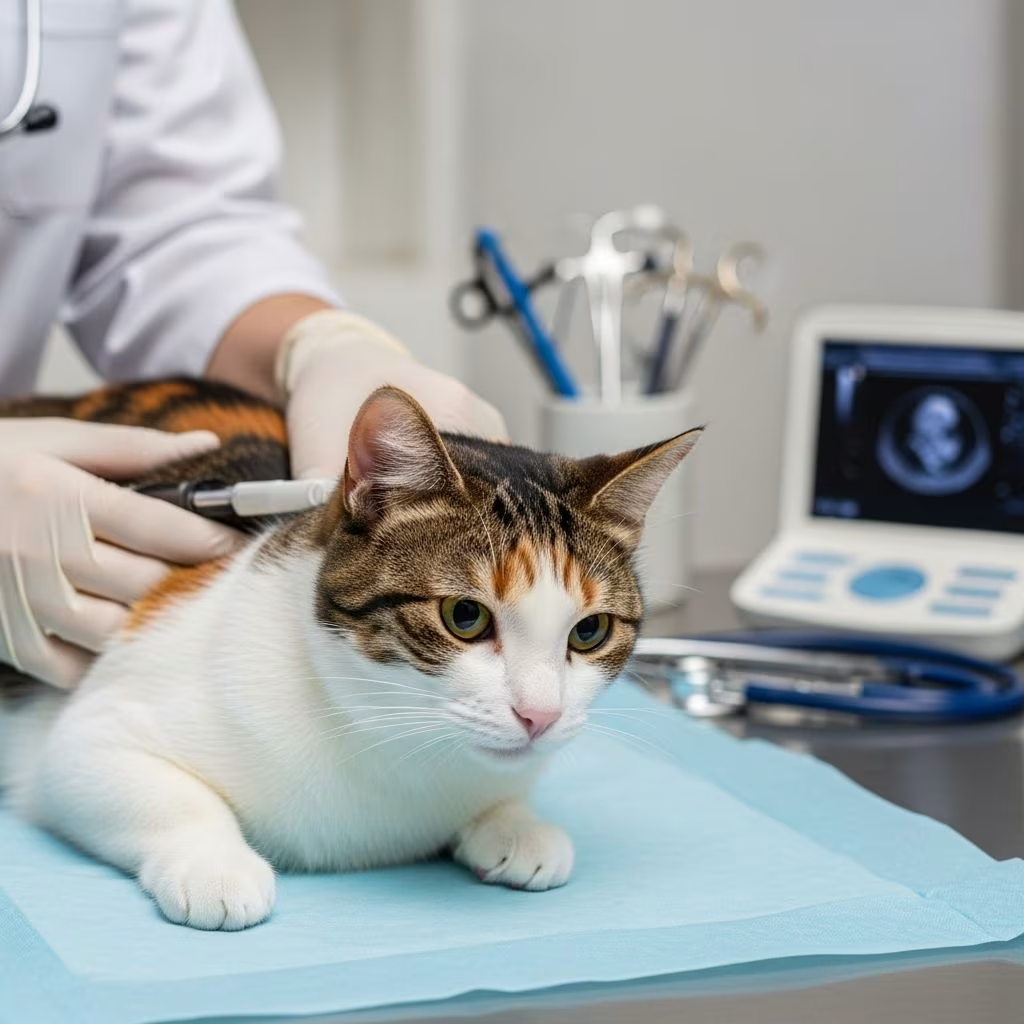
Spaying a pregnant cat is a viable veterinary procedure that terminates the pregnancy while preventing future litters, though it carries elevated risks depending on gestation stage and requires professional evaluation.
Understanding Feline Pregnancy and Spaying Basics
Female cats, or queens, reach sexual maturity around four to six months and can become pregnant shortly after their first heat cycle. Gestation lasts about 63 days, during which the uterus undergoes significant changes, including increased vascularization that complicates surgery. Spaying, or ovariohysterectomy, involves removing the ovaries and uterus, effectively sterilizing the cat and halting any ongoing pregnancy.
This procedure is routine for non-pregnant cats but demands caution in pregnant ones due to physiological shifts. Early detection through veterinary exams, such as palpation or ultrasound around 20 days post-mating, allows timely decisions.
Health Benefits of Spaying for Cats
Spaying offers lifelong health protections. It eliminates risks of pyometra, a potentially fatal uterine infection affecting unspayed cats, and drastically cuts mammary cancer odds—cats spayed before their first heat have under 0.5% risk. Additional gains include preventing ovarian/uterine cancers and stabilizing conditions like diabetes by removing hormonal fluctuations.
- Pyometra prevention: Nearly 25% of unspayed cats develop this by age 10; spaying reduces it to zero.
- Cancer reduction: 91% lower mammary cancer risk if done before six months.
- Longevity boost: Spayed cats often live longer due to fewer reproductive diseases.
For pregnant cats, these benefits extend post-procedure, outweighing pregnancy-related strains like nutritional demands or delivery complications.
Surgical Risks During Feline Pregnancy
While feasible at any stage, risks rise with pregnancy advancement. Early gestation (first 15-20 days) mirrors standard spays with minimal added complications, as fetal development is limited. Later stages increase hemorrhage chances from engorged blood vessels and larger uteri.
| Gestation Stage | Risk Level | Key Concerns |
|---|---|---|
| Early (0-20 days) | Low | Standard surgical risks; minimal vascular changes |
| Mid (21-40 days) | Moderate | Increased bleeding; anesthesia sensitivity |
| Late (41-63 days) | High | Hemorrhage, prolonged surgery; specialized care needed |
Anesthesia adjustments are crucial, as pregnant cats show heightened sensitivity. Overall mortality remains low at 0.05%, akin to non-pregnant spays in healthy cats. Studies from high-volume clinics report 99.95% survival rates.
Optimal Timing for Spaying Cats
The gold standard is spaying before the first heat, ideally at four to six months or as early as eight weeks if the kitten weighs at least two pounds. This avoids pregnancy entirely and maximizes health protections.
For already pregnant cats, intervene within the first few weeks to minimize risks. Spaying during heat is possible but not preferred due to swollen tissues increasing bleeding and recovery time. Postpartum spaying, after kittens wean, is an option but riskier due to lactation-induced uterine changes.
Population Control and Shelter Practices
Uncontrolled breeding fuels cat overpopulation, with millions entering shelters yearly, many euthanized. Trap-neuter-return (TNR) programs routinely spay pregnant ferals early to curb litters without contributing to homelessness.
Shelters prioritize spaying pregnant intakes to prevent resource strain from litters, guided by AVMA-supported policies. This humane approach reduces euthanasia and stabilizes feral colonies.
Alternatives to Immediate Spaying
Some opt to let pregnancies proceed, spaying postpartum. Queens can re-enter heat within days of birth, risking repeat pregnancies. Litter care demands significant resources: space, food, socialization, and finding homes.
- Post-birth spay: Delays sterilization; higher surgical complexity from milk production.
- Fostering litters: Ideal for rescues with capacity, but not feasible for most.
- Adoption with spay contracts: Ensures future sterilization but allows current litter.
These options suit committed owners but amplify overpopulation pressures.
Recovery Process After Spaying a Pregnant Cat
Post-surgery, cats need 7-14 days of quiet recovery. Monitor the incision for swelling, discharge, or lethargy, and restrict activity—no jumping or outdoor access.
- Administer prescribed pain meds and antibiotics.
- Prevent licking with an e-collar.
- Feed small, frequent meals; transition to spay-specific diet if advised.
- Schedule a 10-14 day recheck.
Behavioral shifts are minimal beyond ending heat cycles—no laziness or guaranteed weight gain, which stems from diet/exercise.
Common Misconceptions Debunked
Myths persist despite evidence:
- Myth: Cats need one litter for health. Fact: No benefits; increases cancer risks.
- Myth: Spaying pregnant cats is cruel. Fact: Humane when professional; prevents overpopulation suffering.
- Myth: Only non-pregnant cats qualify. Fact: Performed routinely in clinics.
Ethical and Emotional Considerations
Decisions evoke guilt, especially for pet owners viewing fetuses as viable. Vets weigh maternal health, owner resources, and societal impacts objectively. Rescuers prioritize preventing shelter overload. Consult always—many vets decline late-term spays or charge extra for complexity.
Frequently Asked Questions
Is spaying a pregnant cat always safe?
Safe for the mother generally, especially early; risks rise later. Survival exceeds 99% in studies.
Does it change the cat’s personality?
No; eliminates heat behaviors like yowling, potentially calming her.
How much does it cost?
$50-$500, higher for pregnant cases due to added time.
Can I spay during heat?
Yes, but riskier—avoid if possible.
What if I want the kittens?
Allow birth, then spay post-weaning; prepare for full litter commitment.
Cost Comparison Table
| Procedure Type | Avg. Cost Range | Notes |
|---|---|---|
| Standard Kitten Spay | $50-$200 | Low-risk, routine |
| Adult Non-Pregnant | $150-$400 | Clinic-dependent |
| Pregnant Early | $200-$500 | Extra fee possible |
| Late-Term Pregnant | $300-$700 | Higher complexity |
References
- Can a Cat Be Spayed While Pregnant? Yes, But With Risks — Alibaba Cat Lovers. 2023. https://catlovers.alibaba.com/question/can-a-cat-be-fixed-while-pregnant
- Spaying in Cats — VCA Animal Hospitals. 2024-10-01. https://vcahospitals.com/know-your-pet/spaying-in-cats
- Cat Spay: Benefits, Cost, and How To Prepare Your Cat — PetMD. 2024. https://www.petmd.com/cat/procedure/cat-spay
- Can You Spay a Pregnant Cat? Vet-Reviewed Risks — Catster. 2024. https://www.catster.com/cat-health-care/can-you-spay-pregnant-cat/
- Cat Spaying FAQs — Animal Care Center Veterinary Clinic. 2023. https://www.accvets.net/wellness/pet-spay-neuter/feline-spay-faq/



