Spaying in Rabbits: Health Benefits and Care Guide
Complete guide to spaying female rabbits: benefits, procedures, and post-operative care.
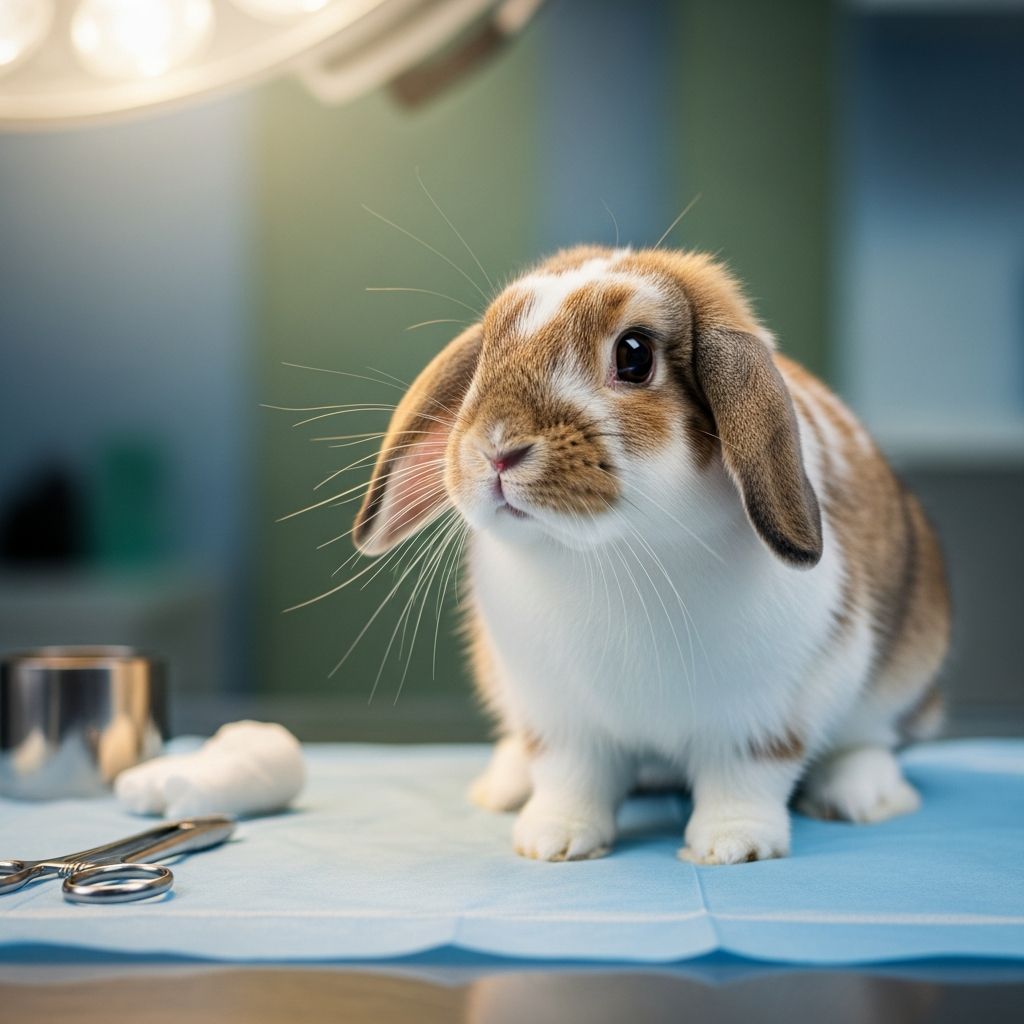
Spaying in Rabbits: A Comprehensive Guide to Female Rabbit Health
Spaying is one of the most important health decisions rabbit owners can make for their female companions. While many people are familiar with spaying in dogs and cats, the significance of this procedure for rabbits is often overlooked. Female rabbits face unique reproductive health challenges that can have serious consequences without proper surgical intervention. Understanding the importance of spaying, the procedure itself, and the recovery process will help you make an informed decision about your rabbit’s long-term health and well-being.
What Is Spaying?
Spaying is a surgical procedure in which a veterinarian removes the ovaries and uterus from a female rabbit. This is a permanent form of birth control that eliminates the rabbit’s ability to reproduce. The procedure is performed under general anesthesia by an experienced exotic animal veterinarian. A spay involves the complete removal of both reproductive organs, which distinguishes it from other forms of birth control and ensures complete prevention of pregnancy and related hormonal cycles.
Health Benefits of Spaying Female Rabbits
The health advantages of spaying extend far beyond simple population control. Spaying provides significant and life-changing benefits to your rabbit’s overall health and longevity.
Cancer Prevention
One of the most compelling reasons to spay your female rabbit is cancer prevention. Unspayed female rabbits have an estimated 80% chance of developing uterine cancer by age five. This is an extraordinarily high cancer risk for any species. Uterine adenocarcinoma, the most common type of reproductive cancer in rabbits, is particularly prevalent in intact females. While some breeds, including English and Netherland Dwarf, Dutch, and Dwarf lop rabbits, may be more susceptible than others, any breed can develop this life-threatening illness.
By choosing to spay your rabbit before these cancers develop, you virtually eliminate this risk entirely. Spayed rabbits cannot develop uterine cancer since the uterus has been surgically removed. This single benefit alone makes spaying one of the most important preventive health measures you can provide for your female rabbit.
Reduced Risk of Other Reproductive Diseases
Beyond uterine cancer, spayed rabbits experience significantly reduced risks of other serious reproductive conditions. These include mammary tumors, ovarian cancer, and reproductive tract infections such as pyometra—a potentially life-threatening uterine infection that can occur in intact females. Spaying eliminates the hormonal fluctuations that contribute to these conditions, providing comprehensive protection against a range of reproductive diseases.
Improved Urinary and Overall Health
Spayed rabbits typically experience improved urinary health and reduced likelihood of urinary complications. Additionally, the hormonal stabilization that follows spay surgery contributes to better overall physical and emotional health. Studies demonstrate that spayed rabbits generally enjoy longer lifespans than their unspayed counterparts, making spaying an effective investment in your rabbit’s longevity.
Behavioral Benefits of Spaying
Beyond the significant health advantages, spaying provides substantial behavioral improvements that enhance your rabbit’s quality of life and your relationship with your pet.
Reduction of Hormonal Behaviors
Unspayed female rabbits experience reproductive cycles that trigger challenging and problematic behaviors, including:
- Aggressive lunging or biting toward handlers and other pets
- Excessive urine marking to establish territory
- Destructive chewing and digging behaviors
- Restlessness, irritability, and mood swings
- Inconsistent or poor litter box habits
- Territorial aggression toward other rabbits and household members
These behaviors are not character flaws but natural hormonal responses that can make living with an unspayed female rabbit significantly challenging. Fortunately, spaying eliminates these hormonal fluctuations, resulting in dramatic behavioral improvements.
Improved Temperament and Bonding
After spaying, most rabbits become noticeably calmer, more relaxed, and significantly more affectionate companions. Spayed rabbits tend to be friendlier toward their human caregivers and more tolerant of handling. Their litter box habits typically improve dramatically, and their urine becomes less pungent and easier to manage. These changes make spayed rabbits much more enjoyable to share your home with and simplify daily maintenance and cleaning.
Better Social Compatibility
If you have a male rabbit—even one that is already neutered—an unspayed female will experience repeated false pregnancies that can cause behavioral problems. Spaying eliminates this issue. Additionally, spayed and neutered rabbits can live together in compatible groups without the risk of unwanted breeding. With proper introductions, spayed females and neutered males become compatible companions rather than territorial adversaries.
When Should Rabbits Be Spayed?
Female rabbits can be spayed as early as 10-12 weeks of age, once they have reached sufficient size for safe anesthesia. However, many veterinarians recommend spaying between 4-6 months of age, when rabbits are more developed but before they reach sexual maturity. Early spaying prevents the onset of hormonal behaviors and eliminates cancer risk from the earliest possible age.
It is crucial not to delay spaying beyond sexual maturity. If spaying is postponed, an owner risks unintended pregnancy and the serious health complications associated with rabbit childbirth. Additionally, the longer a female rabbit remains unspayed, the greater her cumulative cancer risk becomes.
The Spaying Procedure: What to Expect
Understanding what the spaying procedure involves can help you feel confident in your decision and prepare your rabbit for surgery.
Pre-Surgical Preparation
Before the spaying procedure, your veterinarian will conduct a thorough pre-surgical examination to assess your rabbit’s overall health. This includes detailed blood work and laboratory tests to ensure your rabbit can safely undergo anesthesia. Your veterinarian will review your rabbit’s medical history, current medications, and any previous health concerns. Fasting instructions will be provided before surgery, typically requiring 6-8 hours without food or water to prepare the digestive system.
Surgical Process
Rabbit spaying typically includes the following steps:
- Administration of pre-operative medications to prepare the rabbit for anesthesia
- Careful anesthesia monitoring throughout the entire procedure using modern, rabbit-safe anesthetic agents
- Minimally invasive surgical techniques to remove both ovaries and the uterus
- Precise surgical closure using absorbable or removable sutures
- Continuous pain management during the surgical procedure
- Post-operative monitoring as the rabbit recovers from anesthesia
Modern veterinary techniques and safer anesthetic drugs have made rabbit spaying a relatively safe procedure when performed by an experienced exotic animal veterinarian. The risk of severe complications in healthy rabbits is approximately 0.7%, and this rate continues to improve with advancing surgical techniques and medications.
Safety Considerations and Anesthesia Risk
While all surgical procedures carry some level of risk, spaying rabbits by an experienced veterinarian is considered a safe, low-risk procedure. Historically, anesthesia posed greater risks for rabbits, but modern anesthetic protocols and experienced exotic veterinarians have dramatically improved safety outcomes.
Common concerns about rabbit anesthesia are often based on outdated information. The frequently cited “1 in 70 mortality rate” is misleading because it includes elderly rabbits, sick rabbits, and emergency procedures—not just routine spaying of healthy rabbits. When looking at healthy rabbits undergoing routine spaying, the complication rate is significantly lower.
To minimize anesthesia risk, ensure your veterinarian is experienced with rabbit surgery and uses modern, rabbit-appropriate anesthetic agents. Pre-operative blood work helps identify any underlying health conditions that might complicate anesthesia. Older rabbits may require additional pre-surgical screening but can still safely undergo spaying if medically appropriate.
Recovery and Post-Operative Care
Proper post-operative care is essential for optimal healing and preventing complications after spaying.
Initial Recovery Period
Most rabbits recover quickly from spaying and can return to normal daily activities within 1-2 weeks. However, careful monitoring during the first few days is critical. Your veterinarian will provide specific post-operative care instructions tailored to your individual rabbit’s needs.
Post-Operative Care Guidelines
Follow these important care recommendations during recovery:
- Keep your rabbit in a quiet, comfortable space away from other pets and household disruptions
- Provide soft, easily digestible food during the first week of recovery
- Ensure constant access to fresh water to support hydration and healing
- Limit activity and exercise according to your veterinarian’s recommendations
- Monitor the surgical site for signs of infection, swelling, or discharge
- Keep the incision clean and dry to prevent contamination
- Administer pain medication as prescribed by your veterinarian
- Attend all follow-up veterinary appointments
- Report any concerning symptoms immediately to your veterinarian
Incision Care
Your veterinarian will advise whether sutures need removal or whether absorbable sutures were used that will dissolve on their own. If removable sutures are present, they are typically removed 10-14 days after surgery. Keep the incision area clean and monitor it daily for signs of infection such as redness, warmth, swelling, or discharge.
Cost Considerations
While the cost of spay surgery may seem significant initially, it is important to consider it as an investment in your rabbit’s health and longevity. The expense of treating reproductive cancers, managing behavioral issues, or handling emergency reproductive infections far exceeds the cost of preventive spaying surgery. Many veterinary clinics work with pet insurance providers to make the procedure more affordable. Some rabbit rescue organizations may also offer discounted spay surgeries for rabbits, making the procedure more accessible to rabbit guardians.
Frequently Asked Questions
Q: Is spaying safe for older female rabbits?
A: Yes, though opinions vary among veterinarians, most exotic animal veterinarians agree that the health benefits of spaying often outweigh the risks, even in older adult rabbits. However, older rabbits will require more extensive pre-surgical screening and may take slightly longer to recover from anesthesia.
Q: At what age should I spay my female rabbit?
A: Female rabbits can be safely spayed as early as 10-12 weeks of age. Many veterinarians recommend spaying between 4-6 months of age, before sexual maturity begins. Early spaying provides the longest period of cancer protection and prevents the development of hormonal behaviors.
Q: How long does recovery take after spaying?
A: Most rabbits recover quickly and can return to normal daily activities within 1-2 weeks. However, you should limit activity during the first week and follow your veterinarian’s specific post-operative care instructions carefully.
Q: Will my rabbit’s personality change after spaying?
A: Yes, most rabbits become calmer, more affectionate, and easier to handle after spaying. Hormonal aggression and territorial behaviors typically resolve completely, resulting in a friendlier, more relaxed companion.
Q: Can my rabbit get pregnant before spaying?
A: Yes, female rabbits can become pregnant if not spayed. If spaying is delayed, the rabbit risks unintended pregnancy and serious health complications associated with rabbit childbirth. It is best to spay before sexual maturity to prevent these risks.
Making the Decision
Spaying your female rabbit is a straightforward decision that can dramatically improve her health, behavior, and quality of life. The procedure reduces the risk of uterine cancer, prevents unwanted litters, and helps curb hormonal behaviors like aggression and territorial marking. Spayed rabbits are often calmer, more affectionate, and easier to bond with other rabbits, making them happier and more enjoyable companions.
By choosing to spay your rabbit, you are giving her the best chance at a long, healthy, and stress-free life. The investment in this procedure pays dividends throughout your rabbit’s lifetime in improved health, better behavior, and enhanced bonding with your beloved pet. Discuss spaying with your exotic animal veterinarian to determine the best timing and approach for your individual rabbit’s needs and circumstances.
References
- Beyond Birth Control: The Benefits of Spaying Female Rabbits — Oradell Animal Medical Center. 2024. https://www.oradell.com/services/other/blog/beyond-birth-control-benefits-spaying-female-rabbits
- A Complete Guide to Spaying or Neutering Your Rabbit — Oxbow Animal Health. 2024. https://oxbowanimalhealth.com/blog/the-importance-of-spaying-or-neutering-your-rabbit/
- Rabbit anaesthesia for neutering. Do the benefits outweigh the risks? — Goddard Veterinary Group. 2024. https://www.goddardvetgroup.co.uk/blog/rabbit-anaesthesia-for-neutering-do-the-benefits-outweigh-the-risks/
- Spaying and Neutering Rabbits — Dupont Veterinary Clinic. 2024. https://www.dupontvet.com/blog/dont-let-the-benefits-of-rabbit-neutering-hop-past-you/
Similar Articles








Read full bio of Sneha Tete