
Spaying in Cats: Benefits, Procedure, and Recovery Guide
Complete guide to cat spaying: health benefits, surgery details, recovery care, and FAQs.
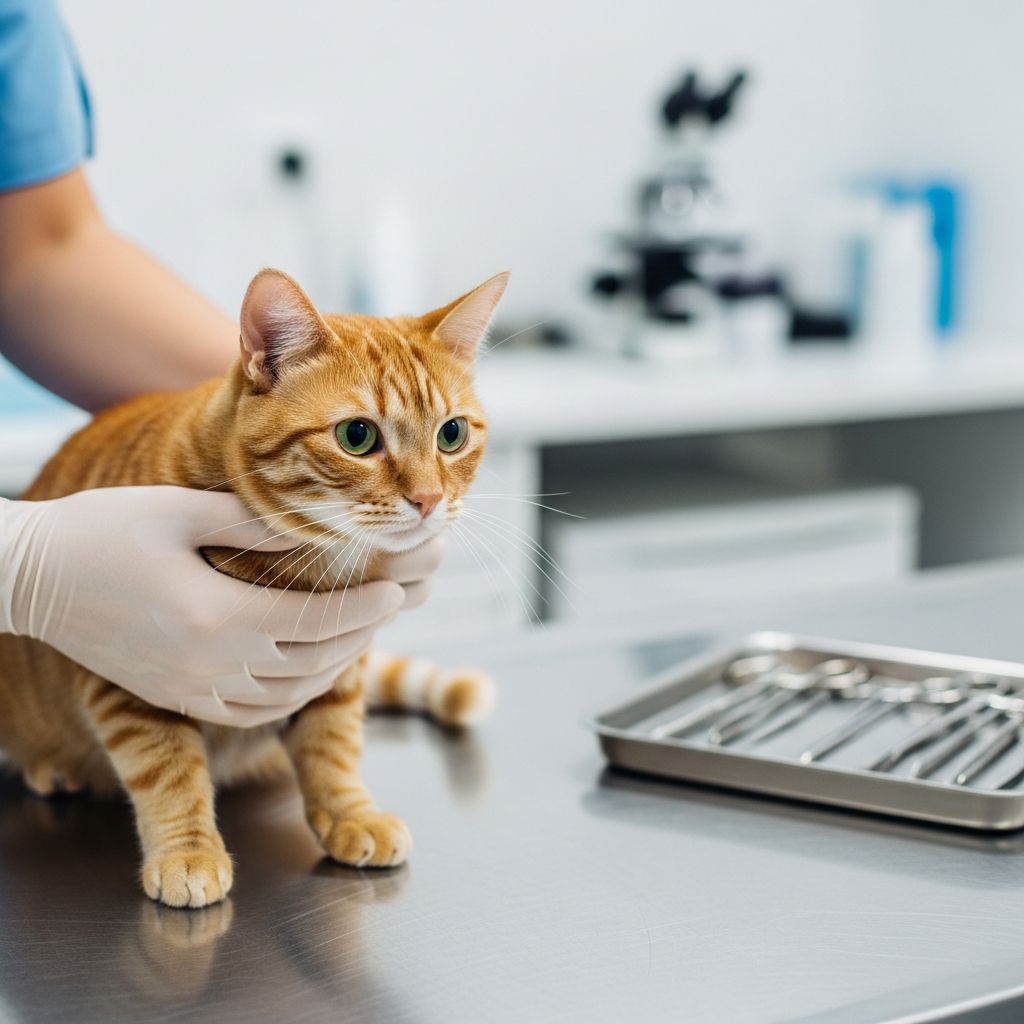
Spaying in Cats: A Complete Guide to Benefits and Recovery
Spaying is one of the most important surgical procedures you can have performed on your female cat. This procedure, also known as an ovariohysterectomy, involves the surgical removal of the ovaries and uterus. Beyond population control, spaying offers significant health and behavioral benefits that contribute to a longer, healthier life for your feline companion. Understanding the reasons for spaying, what to expect during the procedure, and how to care for your cat afterward will help you make an informed decision about this important aspect of responsible pet ownership.
What is Spaying?
Spaying is a surgical procedure that permanently removes a female cat’s reproductive organs, including the ovaries and uterus. This eliminates her ability to reproduce and prevents the hormonal changes associated with the estrous cycle. The procedure is performed under general anesthesia by a licensed veterinarian and typically takes 20 to 90 minutes, depending on the cat’s age, health status, and individual anatomy. Modern spaying techniques have become increasingly refined, making the procedure safer and more efficient than ever before.
Health Benefits of Spaying
One of the primary reasons veterinarians recommend spaying is the substantial health benefits it provides. Spaying eliminates the risk of ovarian and uterine cancers entirely, which is a significant advantage for long-term feline health. Additionally, spaying dramatically reduces the risk of breast cancer, the most common type of cancer diagnosed in intact female cats. Cats that are spayed before their first heat cycle have less than 0.5% chance of developing breast cancer compared to unspayed females.
Beyond cancer prevention, spaying prevents a fatal uterine infection called pyometra, which can develop in unspayed cats and requires emergency treatment. This infection occurs when bacteria enter the uterus and can be life-threatening if not treated promptly. Spaying also eliminates the risk of other reproductive disorders including uterine rupture, torsion, metritis, and cystic changes. For cats with certain medical conditions like diabetes or epilepsy, spaying prevents hormonal changes that may interfere with medication effectiveness.
Cancer Risk Reduction
The cancer prevention benefits of spaying cannot be overstated. Female cats that remain unspayed face significantly higher risks of developing mammary tumors, many of which are malignant. By spaying your cat, you essentially eliminate several dangerous forms of cancer. The earlier the procedure is performed, the greater the protective benefits, particularly regarding breast cancer risk.
Prevention of Reproductive Diseases
Beyond cancer, spaying protects your cat from numerous reproductive diseases that can cause serious complications. Pyometra, in particular, is a life-threatening condition that develops in intact female cats and can lead to septic shock and death if untreated. Spaying completely eliminates this risk along with other reproductive disorders that may require costly emergency veterinary care.
Behavioral Benefits of Spaying
In addition to the health advantages, spaying provides substantial behavioral improvements that enhance your cat’s quality of life and your experience as a pet owner. Intact female cats experience regular heat cycles characterized by behaviors driven by reproductive instincts. These behaviors can be disruptive and stressful for both the cat and household members.
Spaying eliminates heat cycles, which means your cat will no longer experience the associated behaviors such as excessive vocalization, restlessness, and the tendency to seek mates. Female cats in heat often become more demanding, seeking constant attention and affection, and may display increased anxiety. By spaying your cat before her first heat cycle, you prevent these behaviors from ever developing. Spayed cats typically become calmer, more affectionate, and easier to live with, making them more enjoyable companions.
Population Control Benefits
Beyond personal benefits to your cat, spaying contributes to the larger issue of pet overpopulation. Shelters and rescue organizations across the country are overwhelmed with homeless cats, and feral cat populations cause significant problems for wildlife ecosystems. By spaying your cat, you prevent her from contributing to this overpopulation crisis and eliminate the challenge of finding homes for unwanted kittens. Each cat spayed represents multiple potential litters that will not burden the shelter system or contribute to feral populations.
The Spaying Procedure: What to Expect
Understanding what happens during the spaying procedure can help ease any concerns you may have about the surgery. Before the procedure, your veterinarian will conduct a thorough physical examination and may recommend pre-operative blood work to ensure your cat is healthy enough for anesthesia. Your cat will receive fasting instructions, typically requiring her to have nothing to eat or drink for 6-12 hours before surgery.
Pre-operative Preparation
On the day of surgery, your cat will be given a pre-operative injection to help her relax and manage pain. An intravenous catheter is placed to administer fluids and medications during the procedure. Your veterinarian will then administer general anesthesia, and your cat will be carefully monitored throughout the surgery using modern monitoring equipment that tracks heart rate, blood pressure, oxygen levels, and other vital parameters.
The Surgical Process
During the ovariohysterectomy, the veterinarian makes a small incision in the abdomen, typically one to two inches long. Through this opening, the surgeon carefully locates and removes the ovaries and uterus. The blood vessels are tied off to prevent bleeding, and the incision is closed with sutures or surgical glue. The entire procedure is typically completed within 20 to 90 minutes, depending on various factors including the cat’s age and the surgeon’s experience.
Modern spaying techniques are minimally invasive compared to procedures performed decades ago, resulting in less tissue trauma and faster recovery times. Some veterinarians now offer laparoscopic spaying, which uses even smaller incisions and specialized instruments, potentially reducing pain and recovery time further.
Post-operative Care and Recovery
Proper post-operative care is essential for your cat’s successful recovery. After surgery, your cat may spend a few hours in the recovery area, where she’ll be monitored as the anesthesia wears off. Most cats can go home the same day, though some veterinarians may recommend overnight observation. Your veterinarian will provide detailed post-operative instructions that you must follow carefully.
Recovery Timeline
The initial recovery period typically lasts 7-10 days. During this time, your cat should rest quietly indoors and avoid strenuous activity. Most cats feel noticeably better within a few days, but complete healing of the internal incision takes longer. Sutures or surgical glue should remain in place for the recommended time, usually 10-14 days, after which they’re removed during a follow-up visit.
Pain Management
Your veterinarian will provide pain medication to keep your cat comfortable during recovery. It’s important to administer this medication exactly as prescribed, even if your cat seems to feel better. Pain management promotes faster healing and allows your cat to rest properly, which is crucial for recovery.
Activity Restrictions
During the recovery period, limit your cat’s activity to prevent complications. This means no jumping, running, or rough play. Keep your cat indoors in a quiet, comfortable space. Provide food and water bowls, litter box, and bedding in easily accessible locations. Avoid bathing your cat until the incision has completely healed, as water can compromise the surgical site.
Incision Care
Check the incision daily for any signs of problems. The area should remain dry and clean. Some mild swelling and bruising is normal initially, but these should gradually resolve. Contact your veterinarian if you notice excessive swelling, discharge, opening of the incision, or if your cat seems to be in pain or having difficulty.
Potential Complications and Risks
While spaying is considered a safe procedure, particularly with modern anesthetics and monitoring equipment, it is still a major surgery requiring general anesthesia. The risk of serious complications is very low with contemporary veterinary practices, but pet owners should be aware of potential issues.
Common Post-operative Complications
Complications after spaying are uncommon in healthy cats, but can occasionally occur. Possible post-operative issues include inflammation or infection at the incision site, the incision reopening, or swelling under the skin at the surgical site. Some cats may develop bladder infections or, in rare cases, urinary incontinence after spaying. These complications are typically manageable with veterinary care and usually resolve with appropriate treatment.
Anesthetic Risks
With any anesthetic procedure, there is always a small risk of serious complications, including death, though this risk is extremely low with modern anesthetics and monitoring equipment. Pre-operative blood work helps identify cats at higher risk, allowing your veterinarian to take additional precautions. Older cats or those with underlying health conditions may face slightly elevated risks, which your veterinarian will discuss with you before the procedure.
Weight Management After Spaying
Many cat owners notice that their cats gain weight after spaying. This occurs because spaying slightly slows a cat’s metabolism, reducing her caloric requirements. Spayed cats are more at risk of gaining weight than intact cats and require adjustments to their diet and activity levels to maintain a healthy weight. After spaying, consider switching to a diet formulated for spayed cats, which typically contains fewer calories and higher fiber to promote satiety. Additionally, increase your cat’s physical activity and playtime to help prevent obesity and maintain muscle mass.
Spaying Your Cat in Heat
While spaying is generally recommended as soon as possible, the timing relative to the heat cycle deserves consideration. Spaying a cat while she’s in heat is not ideal because during this time the blood vessels in the ovaries, uterus, and fallopian tubes become enlarged, which can make surgery more difficult and increase recovery time. However, some veterinarians will still spay cats in heat, though they may charge more for the procedure due to the increased complexity.
For most situations, it’s preferable to wait until the heat cycle has passed before scheduling the procedure. However, if your cat will continue cycling or if you prefer to spay immediately, discuss the risks and benefits with your veterinarian to make the best decision for your specific situation.
When to Spay Your Cat
The ideal timing for spaying is generally before your cat’s first heat cycle, which typically occurs around 5-6 months of age, though some cats cycle as early as 4 months. Spaying at this early age maximizes the health benefits, particularly regarding breast cancer prevention. Cats spayed before their first heat have less than 0.5% chance of developing breast cancer, compared to much higher risks in unspayed cats or those spayed later.
However, spaying can be performed safely at virtually any age. Even adult and senior cats can be spayed, provided they’re in reasonably good health. Many rescue cats spayed in adulthood continue to live long, healthy lives. If you have an adult cat that hasn’t been spayed, consult with your veterinarian about whether spaying would be beneficial for her specific situation.
Frequently Asked Questions About Spaying Cats
Q: Is spaying a painful procedure?
A: The procedure itself is performed under general anesthesia, so your cat won’t feel pain during surgery. After the procedure, your cat may experience discomfort, which is managed with prescribed pain medication. Most cats recover quickly with proper post-operative care.
Q: How long does the spaying procedure take?
A: The surgery typically takes 20 to 90 minutes, depending on your cat’s age, health status, and individual anatomy. Your veterinarian can provide a more specific estimate based on your cat’s examination.
Q: Will spaying change my cat’s personality?
A: Spaying may reduce heat-related behaviors like excessive vocalization and restlessness, making your cat calmer and more affectionate. However, your cat’s core personality traits typically remain unchanged. Most owners find their spayed cats are more pleasant and easier to live with.
Q: Can I spay my cat if she’s pregnant?
A: While spaying a pregnant cat is technically possible and may be recommended in certain circumstances, most veterinarians prefer to spay non-pregnant cats. Discuss your specific situation with your veterinarian to determine the best course of action.
Q: How soon after spaying can my cat return to normal activity?
A: While most cats feel better within a few days, full recovery typically takes 7-10 days. During this period, activity should be restricted to allow proper healing. Most cats can gradually return to normal activity levels after the incision has healed and sutures are removed.
Q: Is spaying expensive?
A: Spaying costs vary depending on your location, veterinary clinic, and your cat’s age and health status. However, the cost of spaying is typically much less than the expense of treating reproductive cancers, infections, or complications from unplanned pregnancies. Many clinics offer payment plans or discounts for early spaying.
Q: What should I feed my cat after spaying?
A: Your veterinarian may recommend a specialized diet for spayed cats formulated with appropriate calorie levels and nutrients to support recovery and prevent excessive weight gain. Follow your veterinarian’s dietary recommendations and adjust portions as needed.
Making the Decision to Spay Your Cat
In almost all cases, spaying your cat is the right choice. Unless you plan to breed your cat responsibly and have the resources to do so properly, the health and behavioral benefits of spaying far outweigh any drawbacks. Spaying provides protection against serious diseases, reduces undesirable behaviors, helps control pet overpopulation, and contributes to a longer, healthier life for your feline companion. Spaying is a well-established, routine procedure with minimal risks when performed by a qualified veterinarian with modern equipment and anesthetics.
If you have questions about whether spaying is right for your specific cat, consult with your veterinarian. Your veterinary team can assess your cat’s individual health status and provide personalized recommendations to help you make the best decision for your pet.
References
- Spaying a Cat: Everything You Need to Know — Small Door Veterinary. 2024. https://www.smalldoorvet.com/learning-center/medical/spaying-cats-everything-you-need-to-know
- Spaying in Cats — VCA Animal Hospitals. 2024. https://vcahospitals.com/know-your-pet/spaying-in-cats
- Cat Spaying and Neutering — Cobblestone Veterinary Hospital. 2024. https://www.cobblestone.vet/services/cats/spay-neuter
- Spay/Neuter Your Pet — ASPCA. 2024. https://www.aspca.org/pet-care/general-pet-care/spayneuter-your-pet
- Cat Spaying & Neutering: Benefits & Risks — Royal Canin US. 2024. https://www.royalcanin.com/us/cats/preventative-veterinary-care-cat/neutering-spaying-a-cat
Similar Articles








Read full bio of Sneha Tete




