

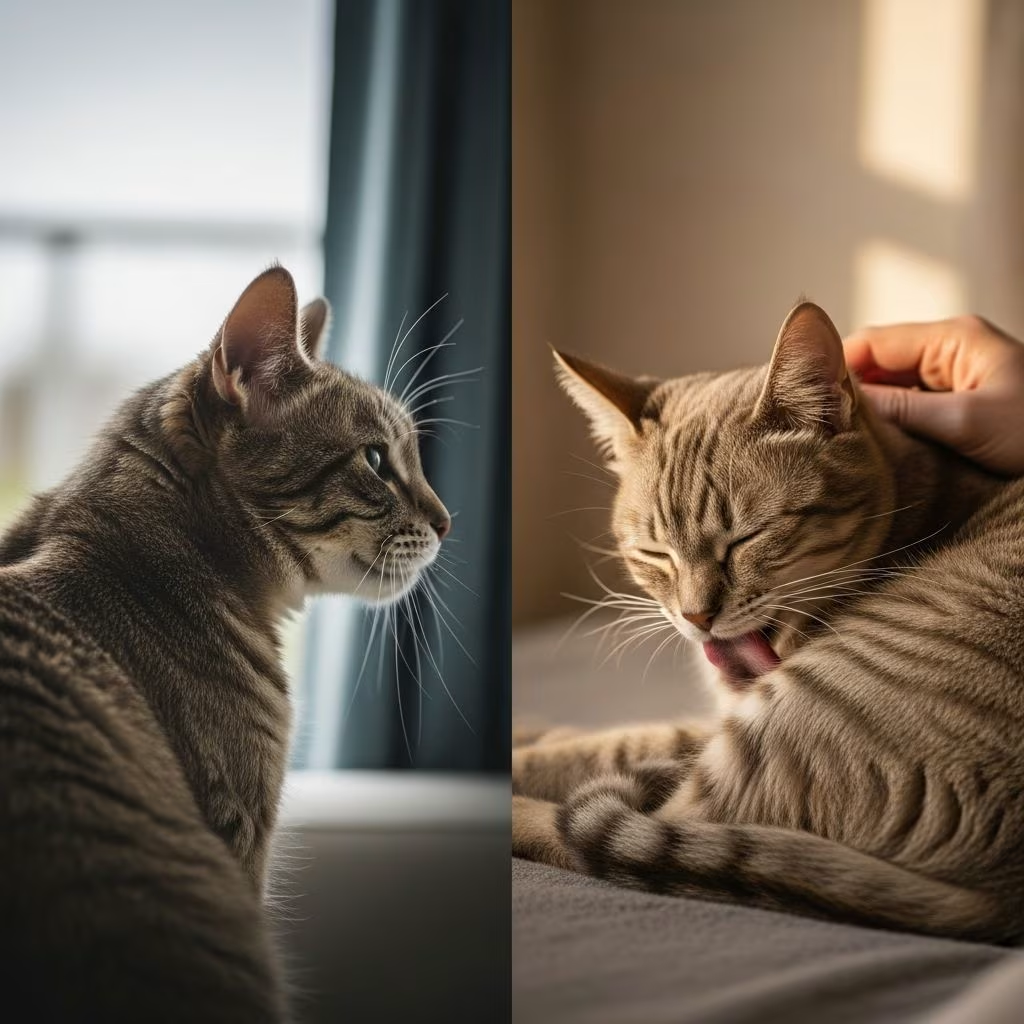
Spaying, the surgical removal of a female cat’s ovaries and uterus, profoundly influences her conduct by halting reproductive hormone production. This procedure leads to noticeable shifts, primarily eliminating heat-related disruptions while fostering a more serene temperament over time.
Immediate Post-Operative Adjustments
Right after surgery, cats often display subdued energy levels as anesthesia wears off and the body begins healing. Expect your pet to sleep more, move less, and possibly seem disoriented for the first 24-48 hours. These responses stem from the physical stress of the operation rather than the absence of hormones.
Appetite might dip temporarily, but hydration remains crucial—ensure fresh water is always available. Some cats become unusually timid, reacting strongly to noises or touch due to incision discomfort. Veterinary guidelines recommend limiting activity, using protective collars if licking occurs, and monitoring for prolonged lethargy beyond three days, which could signal complications.
- Sleepiness and low energy: Normal for 1-3 days post-surgery.
- Reduced eating: Mild and short-lived; encourage small meals.
- Heightened sensitivity: Avoid rough play to prevent strain on the wound.
Short-Term Recovery Dynamics
During the 10-14 day healing window, behavioral nuances emerge tied to pain management and confinement. Cats may withdraw socially or show mild irritability if disturbed near the surgical site. Owners frequently note increased clinginess as a comfort-seeking response.
Strict rest is vital: no jumping onto high surfaces or chasing toys. A quiet, confined space aids recovery, helping your cat regain normal patterns swiftly. By week’s end, most resume eating, grooming, and light exploration without issue.
| Recovery Phase | Typical Behaviors | Owner Actions |
|---|---|---|
| Day 1-2 | Lethargy, disorientation | Provide soft bedding, monitor vitals |
| Day 3-7 | Gradual energy return, possible grumpiness | Check incision daily, restrict movement |
| Day 8-14 | Normal activity resumes | Gradual reintroduction to routine |
Lasting Hormonal Rebalancing
Hormone levels stabilize over weeks, ushering in enduring changes. The core transformation is the end of estrus cycles, erasing the cyclical frenzy that unspayed cats endure multiple times yearly. No more frantic vocalizations or mate-seeking antics disrupt household peace.
Spayed females generally adopt a laid-back lifestyle, lounging more and wandering less. This stems from removed estrogen surges that previously fueled restlessness and territorial displays. Indoor living becomes preferable, slashing risks like traffic accidents or fights with strays.
Decline in Heat-Driven Habits
Pre-spay, heat prompts excessive meowing—often piercing at night—to attract toms. Post-procedure, this vanishes entirely. Restlessness, floor-rolling, and hyper-affection toward objects or people also fade, as they served scent-spreading purposes.
Urine spraying, a territorial signal during fertility peaks, drops sharply. Neighborhood males no longer congregate, curbing outdoor chaos and potential litters. These shifts create a stable environment, allowing focus on companionship rather than instincts.
Temperament Enhancements Over Time
Many report spayed cats as calmer and more consistently loving. Without hormonal mood swings, interactions feel predictable and affectionate. Aggression linked to cycles—hissing or swatting—lessens, though fear-based issues persist independently.
Activity levels may subtly decrease, prompting weight monitoring through diet control. Core personality traits like playfulness endure, often amplified without distractions. Owners enjoy a more bonded, low-drama pet.
- Increased relaxation: More napping, less pacing.
- Steady affection: Cuddles without the ‘heat flirtation’.
- Reduced roaming: Safer, home-centered habits.
- Milder aggression: Especially cycle-related spats.
Potential Drawbacks and Management
Not all changes are ideal; metabolism slows, raising obesity risks. Counter this with portioned high-quality food and interactive play. Rare cases show lingering estrus-like signs from pre-surgery follicle activity, resolving naturally.
Personality alterations are minimal—spaying preserves individuality while smoothing extremes. If unusual aggression or lethargy lingers beyond recovery, consult a vet to rule out pain or health issues.
Health Benefits Reinforcing Behavior
Beyond conduct, spaying slashes mammary tumors and pyometra risks, indirectly supporting vitality for playful behaviors. Early procedures (before first heat) maximize these gains, yielding healthier, happier cats long-term.
Supporting Your Cat’s Transition
Ease adaptation with pheromone diffusers for calm, puzzle feeders for mental stimulation, and routine vet check-ins. Track weight monthly and maintain litter hygiene to reinforce positive shifts.
Frequently Asked Questions
Will my cat’s personality change completely after spaying?
No, core traits remain; hormones only amplify certain instincts, which fade post-surgery.
How long until heat behaviors stop?
Immediately for new cycles, though residual effects may linger weeks during rebalance.
Does spaying make cats lazy?
Energy redirects from roaming; encourage exercise to prevent weight gain.
Can spayed cats still get aggressive?
Yes, if fear or socialization-based, but hormone-driven types reduce.
Is spaying recommended for all females?
Yes, for health and behavior, ideally young; discuss with your vet.
References
- Female Cat Behavior After Spaying: Vet Reviewed Changes to Expect — Catster. 2023. https://www.catster.com/cat-behavior/female-cat-behavior-after-spaying-changes-to-expect/
- Do female cats change after being spayed? — Paumanok Veterinary Hospital. 2023. https://www.paumanokvethospital.com/do-female-cats-change-after-being-spayed/
- Do Female Cats Change After Being Spayed? — Madison Animal Care. 2023. https://www.madisonanimalcare.com/do-female-cats-change-after-being-spayed
- Change in Cat Behavior After Spaying? | Expert Insights — The Cat Behavior Clinic. 2023. https://www.thecatbehaviorclinic.com/is-there-change-in-cat-behavior-after-spaying/
- Top 5 Common Behavior Changes in Female Cats After Being Spayed — Riverbank Pet. 2023. https://www.riverbankpet.com/female-cat-behavior-after-spaying/



