

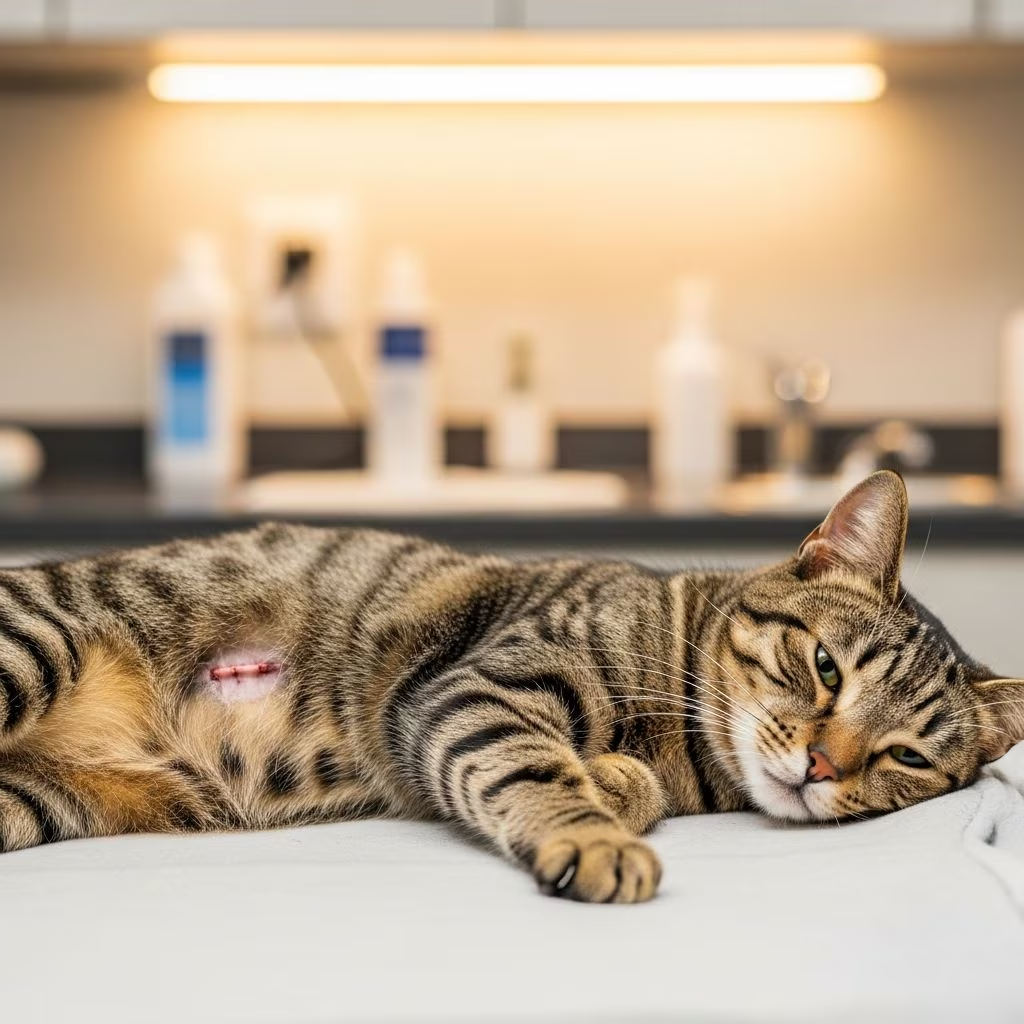
Female cats can be spayed while in heat, but the procedure carries additional challenges due to physiological changes during estrus. Veterinary experts confirm it’s feasible with skilled surgeons, though many prefer postponing until the cycle ends to minimize complications.
The Feline Reproductive Cycle Explained
Understanding a cat’s heat cycle is crucial for pet owners deciding on spaying timing. Female cats, or queens, reach sexual maturity between 4 and 12 months, often around 6 months. They are induced ovulators and seasonally polyestrous, entering estrus multiple times from spring to fall if unbred. A typical cycle lasts 4 to 10 days, marked by vocalizations, rubbing, and raised hindquarters. Without mating, cycles repeat every 2-3 weeks, causing stress and behavioral shifts.
- Proestrus: Lasts 1-2 days; subtle signs like affection-seeking.
- Estrus: 3-7 days; peak fertility with overt mating behaviors.
- Interestrus: Brief interval before next cycle.
During estrus, ovaries and uterus enlarge with blood flow, complicating surgery. This vascular congestion is why vets hesitate, as it heightens procedural demands.
Is Spaying During Heat Medically Feasible?
Yes, spaying a cat in heat is possible and sometimes essential. Experienced veterinarians perform ovariohysterectomies (OHE) on estrus queens routinely, using enhanced hemostatic techniques. However, engorged tissues demand precision to avoid excessive bleeding or prolonged anesthesia. Studies and clinical guidelines affirm safety in capable hands, though recovery might extend slightly.
| Factor | During Heat | Post-Heat |
|---|---|---|
| Surgery Duration | 10-20 minutes longer | Standard 20-30 minutes |
| Bleeding Risk | Higher due to vessel dilation | Lower, tissues normalized |
| Anesthesia Time | Extended | Shorter |
| Cost | Often higher | Standard fee |
This table highlights key differences, emphasizing why post-heat timing is preferred when feasible.
Potential Complications of Spaying in Estrus
While viable, spaying during heat introduces specific risks that owners should weigh. Primary concerns stem from hyperemia—the increased blood supply to reproductive organs.
- Heightened Hemorrhage: Fragile, dilated vessels may rupture, requiring ligation or cautery. Vets mitigate with absorbable hemostats.
- Extended Operative Time: Surgeons navigate swollen ovaries and uterus, adding 10-20 minutes under anesthesia, slightly elevating risks like hypotension.
- Tissue Fragility: Edematous structures tear easier, demanding meticulous handling to prevent postpartum-like issues.
- Infection Potential: Though rare, prolonged exposure increases minor wound risks if sterility lapses.
- Anesthesia Sensitivity: Hormonal fluctuations may alter responses, necessitating tailored protocols.
These factors explain veterinary reluctance; a 2023 review notes complication rates under 5% with expertise, versus 1-2% routinely.
When Spaying During Heat Becomes Necessary
Not all situations allow waiting. Urgent cases prioritize intervention despite risks.
- Imminent Pregnancy Threat: Outdoor access or male exposure means high fertility; one mating suffices for conception. Delaying risks litters.
- Prolonged Estrus: Abnormal cycles exceeding 10 days, or continuous ones, cause exhaustion, anorexia, and dermatitis from excessive grooming.
- Behavioral Extremes: Severe aggression, spraying, or escapes warrant prompt relief for welfare.
- Medical Urgencies: Early pyometra signs or ovarian cysts demand excision.
In shelters or feral programs, timing constraints often necessitate in-heat procedures, proving efficacy at scale.
Optimal Timing for Spaying: Before the First Heat
The gold standard is pre-pubertal spaying at 4-6 months, ideally 8-16 weeks. This preempts cycles entirely, maximizing health gains. Kittens recover swiftly, with minimal incision sites.
For adults, any age works if healthy; benefits persist, though cancer protections wane per cycle experienced.
Long-Term Health Advantages of Spaying
Spaying transcends heat cessation, conferring profound protections.
- Mammary Tumor Reduction: Pre-first heat slashes risk by 91%; each cycle elevates odds exponentially.
- Pyometra Elimination: This fatal uterine infection strikes 25% of unspayed queens over 5 years; OHE prevents it utterly.
- Extended Lifespan: Spayed cats outlive intact peers by 39%, dodging reproductive crises.
- Cancer Prevention: Nullifies ovarian/uterine neoplasms.
Behavioral perks include quelling yowls, marking, and roaming, fostering calmer homes.
Caring for Your Cat Post-Spaying
Recovery spans 10-14 days. Key steps:
- Monitor incision for swelling/redness; prevent licking with cones.
- Restrict activity; confine indoors.
- Feed small, bland meals initially.
- Watch for lethargy, vomiting, or discharge—contact vets promptly.
Weight management post-op is vital; caloric needs drop 30%, demanding portion control.
FAQs on Spaying Cats in Heat
Q: How do I know if my cat is in heat?
A: Look for loud meowing, rolling, tail elevation, and male attraction.
Q: Can all vets spay in-heat cats?
A: Experienced ones yes; inquire about their protocol.
Q: Does spaying alter personality?
A: No, it curbs hormone-driven behaviors, often improving temperament.
Q: What’s recovery like in heat cases?
A: Similar, potentially slower due to bleeding control.
Q: Is early spaying safe for kittens?
A: Yes, guidelines endorse 8 weeks onward.
Community and Population Impacts
Spaying curbs overpopulation; one queen births 100+ kittens lifetime sans intervention. Programs target ferals, enhancing welfare community-wide.
References
- Can You Spay a Cat in Heat? | AZ Vet Direct — AZ Vet Direct. 2023. https://azvet.direct/low-cost-cherry-eye-surgery-in-mesa-and-the-entire-southeast-valley-of-phoenix/can-you-spay-a-cat-in-heat-5-risks-of-spaying-cats-in-heat/
- Spaying Reduces the Risk of Feline Reproductive Cancers — Raleigh NC Vet. 2024. https://raleighncvet.com/cat-care/spaying-reduces-the-risk-of-feline-reproductive-cancers/
- Spay/Neuter: Good for Cats, Good for Communities — Alley Cat Allies. 2023. https://www.alleycat.org/resources/spayneuter-good-for-cats-good-for-communities/
- Preventing Heat-Related Stress in Pets: The Role of Spaying and Neutering — Paws Vet. 2024. https://www.paws.vet/blog/1176940-preventing-heat-related-stress-in-pets-the-role-of-spaying-and-neutering
- Why You Should Spay Your Pet — Kenai Veterinary Hospital. 2023. https://kenaiveterinaryhospital.com/why-you-should-spay-your-pet/



