

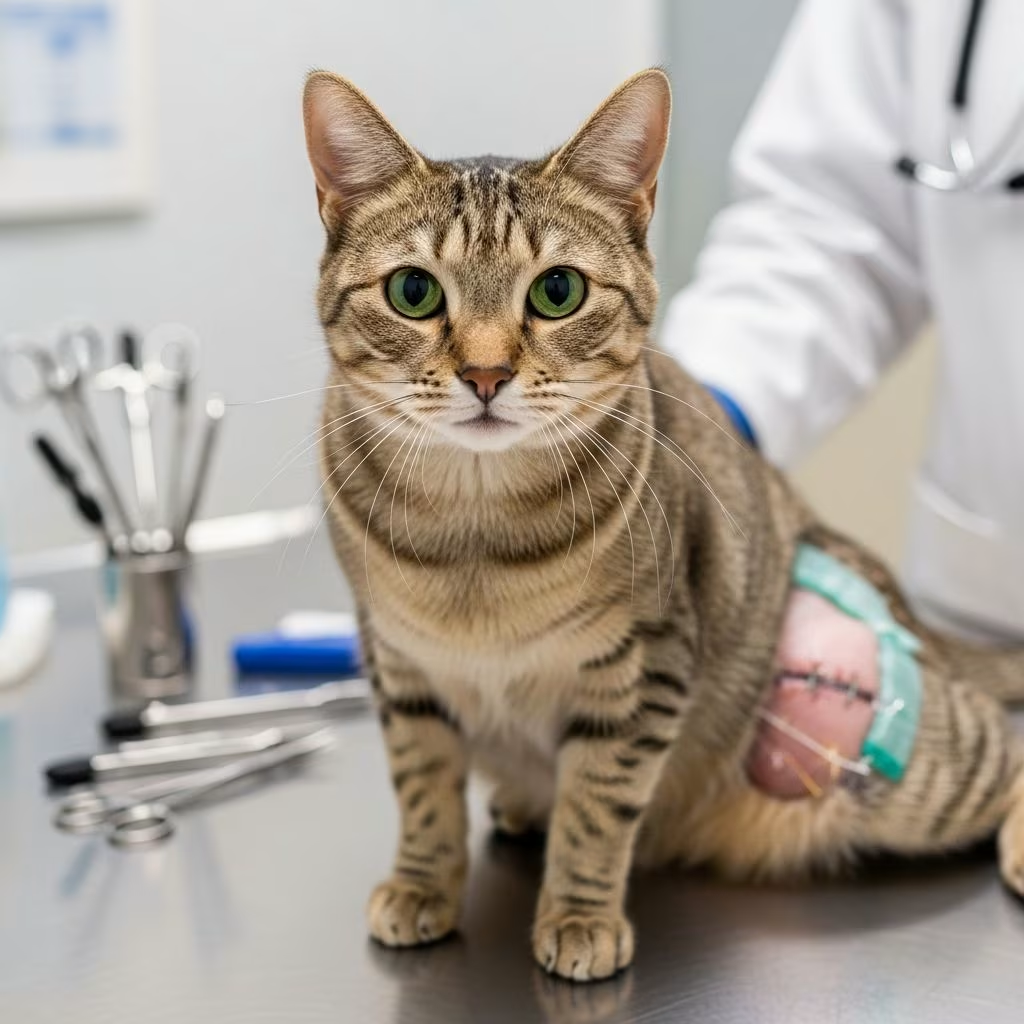
Spaying a female cat after she has given birth to kittens is a crucial step for her health and preventing future litters. Veterinary guidelines generally recommend scheduling the procedure 5 to 8 weeks after delivery, once the kittens are weaning and the mother has recovered. This timing balances maternal recovery with the need to avoid rapid re-breeding, as cats can enter heat cycles shortly postpartum.
Why Spay Your Cat After Kittens?
Spaying, or ovariohysterectomy, removes the ovaries and uterus, eliminating reproductive capabilities and associated risks. Key benefits include:
- Pyometra prevention: This life-threatening uterine infection is common in unspayed females, but spaying eliminates it entirely.
- Cancer risk reduction: Lower incidence of mammary tumors and ovarian cancers in spayed cats.
- Behavioral improvements: Ends heat-related yowling, spraying, and roaming.
- Population management: Prevents overpopulation from unplanned pregnancies, especially vital for community cats.
- Longer lifespan: Spayed cats often enjoy healthier, extended lives with fewer complications.
Timely spaying post-litter supports these advantages without compromising nursing if done correctly.
Optimal Timing for the Procedure
The ideal window is when kittens reach 5-6 weeks old and begin solid foods, reducing mom’s milk dependency. This aligns with 6-8 weeks postpartum for most cats, allowing uterine involution—the natural shrinking of the uterus. Waiting 2-3 months post-weaning is also advised in some cases for full recovery.
| Factor | Recommended Wait Time | Source Rationale |
|---|---|---|
| Kitten Weaning | 5-6 weeks | Kittens eat solids; mom’s milk slows. |
| Standard Recovery | 6-8 weeks | Uterus returns to normal; no birth complications. |
| Extended Cases | 2-3 months | Post-weaning for complex births or older cats. |
Consult a vet for personalized scheduling, as early intervention curbs re-pregnancy risks.
Factors Influencing Spay Timing
Mother’s Recovery and Health Status
A cat’s age and birth experience matter. Younger, healthy queens (under 2 years) recover swiftly, often ready at 6 weeks. Older cats or those with dystocia (difficult labor) may need 8+ weeks for healing from infections or tears.
Kitten Development Stage
Weaning is pivotal: kittens need 4-6 weeks of nursing before transitioning. Spaying earlier risks milk drop-off, but by 5-6 weeks, it’s safe as they self-regulate nursing post-surgery.
Upcoming Heat Cycles
Cats ovulate post-partum rapidly—sometimes 1-2 weeks after birth—risking ‘back-to-back’ litters. Monitor for signs like vocalizing or restlessness; spay promptly to halt cycles.
Special Circumstances
- Feral/Community Cats: Spay ASAP post-weaning in TNR programs for population control.
- Breeds: Larger breeds may delay slightly for growth, but post-litter prioritizes health.
- Health Issues: Stabilize conditions like allergies first.
The Spaying Process Explained
Under general anesthesia, vets make a small abdominal incision to excise reproductive organs. For nursing moms, the procedure mirrors standard spays but considers lactation. Recovery is swift: most resume nursing in 12-24 hours with a quiet space.
Pre-op: Fast the cat overnight; bloodwork checks anesthesia safety. Post-op: Pain meds, cone collar, and incision monitoring prevent licking.
Post-Spay Care for Nursing Mothers
Provide a calm environment to minimize stress. Key steps:
- Limit activity for 7-10 days.
- Monitor incision for swelling/redness.
- Ensure kitten access but separate if aggressive.
- High-calorie food supports milk production initially.
Most cats return to normal within days, with no long-term nursing impact.
Risks and Myths Debunked
Myth: Spaying nursing cats stops milk production. Fact: Milk continues 24-48 hours post-op; kittens adapt.
Risk: Anesthesia complications are rare (under 1%) with modern protocols, especially in healthy adults.
Delaying increases pyometra odds exponentially after repeated heats.
Long-Term Health Outcomes
Spayed post-litter cats show reduced mammary cancer if done before second heat, and zero pyometra risk. Behavior stabilizes, enhancing home life. For multi-litter moms, early spay post-weaning optimizes longevity.
Frequently Asked Questions (FAQs)
Can I spay my cat while she’s still nursing?
Yes, safely at 5-6 weeks kitten age; she resumes nursing quickly.
What if my cat goes into heat before spaying?
Keep indoors and schedule ASAP to avoid pregnancy.
Is spaying older post-litter cats riskier?
Slightly, due to age/health; vet assesses individually.
How soon can kittens be adopted post-mom’s spay?
Once weaned (6-8 weeks), independent of mom’s surgery.
Does spaying affect weight or energy?
Monitor diet; activity often increases sans hormones.
Spaying after kittens safeguards health and curtails overpopulation. Partner with your vet for tailored advice.
References
- How Soon Can a Cat Be Spayed After Having Kittens? — Hudson Animal Hospital NYC. 2023. https://www.hudsonanimalhospitalnyc.com/services/cats/when-to-spay-a-cat-after-kittens/
- Spaying in Cats — VCA Animal Hospitals. 2024. https://vcahospitals.com/know-your-pet/spaying-in-cats
- Spaying a Nursing Cat: Timing, Myths, and Best Practices — Kitten Alliance. 2023. https://www.kittenalliance.org/post/spaying-a-nursing-cat-timing-myths-and-best-practices
- When Should You Spay a Cat? Special Considerations — West Hills Veterinary Centre. 2024. https://westhillsvetcentre.com/pet-care-services-in-henderson-nc/when-should-you-spay-a-cat-special-considerations-for-different-types-of-cats/
- When to Spay or Neuter Your Kitten — Banfield Pet Hospital. 2024. https://www.banfield.com/Wellness-at-banfield/kitten-hub/spaying-or-neutering



