
Spark Your Dog’s Play Drive with Toys
Discover proven strategies to ignite your dog's interest in toys and turn fetch into their favorite game for better bonding and exercise.
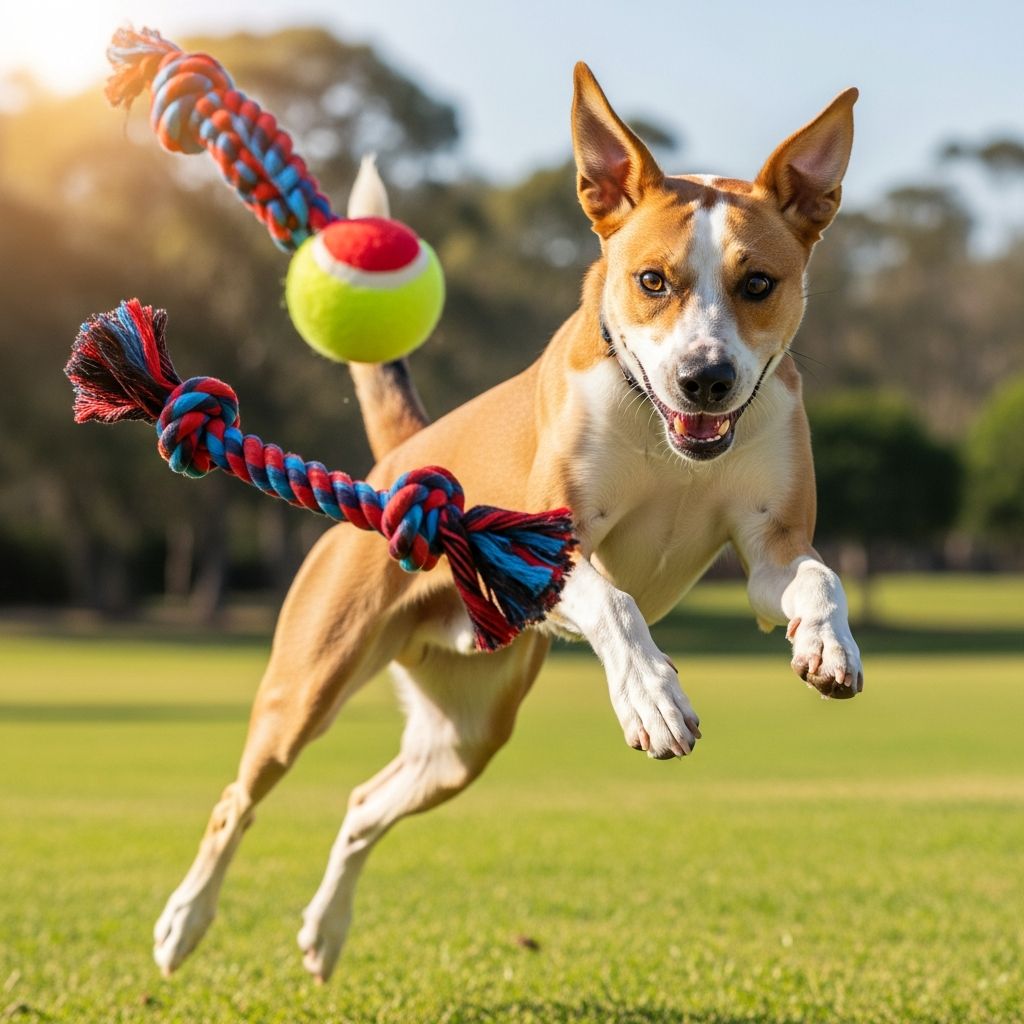
Engaging your dog in play with toys fosters physical fitness, mental sharpness, and a stronger human-canine bond. Many dogs naturally gravitate toward fetch or tug, but others need guidance to discover the fun. This guide explores toy selection, safety essentials, play style matching, and training techniques to awaken your dog’s inner player.
Why Toys Matter for Your Dog’s Well-Being
Toys serve multiple roles beyond entertainment. They provide exercise to prevent obesity, reduce destructive behaviors through outlet for energy, and offer mental challenges via puzzle designs. Regular play strengthens trust, as dogs associate owners with positive rewards like chase games or treat releases. For puppies, toys aid teething; for seniors, they maintain mobility without overexertion.
Without structured play, dogs may chew furniture or bark excessively from boredom. Introducing toys early builds preferences, ensuring lifelong engagement. Studies from veterinary sources emphasize play’s role in stress reduction and cognitive health.
Assessing Your Dog’s Unique Play Personality
Every dog has a distinct play style influenced by breed, age, and temperament. Observe behaviors to categorize: chasers love flying discs, chewers prefer durable bones, and cuddlers seek plush items. Herding breeds like Border Collies excel at fetch, while terriers favor tug.
- Chasers: Enthusiastic about balls or frisbees that bounce or soar.
- Chewers: Drawn to tough rubber or nylon for gnawing satisfaction.
- Tuggers: Enjoy ropes for pull-and-shake action.
- Independent players: Opt for puzzle toys dispensing treats.
- Comfort seekers: Plush squeakers for carrying and nuzzling.
Test toys by presenting options without handing them over—note tail wags or focused stares to gauge interest. Rotate selections weekly to maintain novelty.
Essential Criteria for Selecting Safe and Effective Toys
Choosing the right toy prevents injuries and maximizes fun. Prioritize size: toys must be larger than what fits behind molars to avoid choking. Durability matches chew intensity—soft for gentle pups, reinforced for power chewers.
| Dog Size | Recommended Toys | Key Features |
|---|---|---|
| Small Breeds | Plush balls, small ropes | Lightweight, non-swallowable |
| Medium Breeds | Tennis balls, chew rings | Balanced durability, versatile |
| Large/Giant | Extra-tough discs, large Kongs | Heavy-duty, mouth-safe |
| Puppies | Teething gels, soft rubbers | Gum-soothing, flexible |
Materials matter: avoid small parts or toxins. Opt for natural rubber, nylon, or cotton ropes. Squeakers add appeal but supervise to prevent ingestion. For water play, select floaters.
Top Toy Categories to Ignite Interest
Bounce and Retrieve Options
Balls dominate for their versatility—rubber for bounce, foam for indoors, glow-in-dark for evenings. Tennis balls suit most but wear quickly; upgrade to dog-specific for longevity. Flying rings or discs thrill aerial chasers, softer on mouths than human frisbees.
Chew and Gnaw Favorites
Hard rubbers like Kongs hold treats, turning chew time productive. Rope bones encourage flossing via tugging fibers. Dental chews satisfy while cleaning teeth.
Brain-Teasing Puzzle Toys
Treat-dispensers challenge noses and paws, ideal for food-motivated dogs. Slide pieces to reveal kibble, promoting problem-solving.
Tug and Interactive Pull Toys
Knoted ropes build strength; add squeaks for excitement. Great for bonding during controlled tugs.
Soft Comfort Companions
Plush with squeakers mimic prey, perfect for carriers. Washable fabrics ensure hygiene.
Building Toy Interest from Scratch
Not all dogs engage immediately. Start with high-value motivators like food. Smear peanut butter (xylitol-free) on toys to link scent with reward. Shake or squeak to draw attention, then roll gently for chase invitation.
Short sessions prevent overwhelm: 5 minutes, multiple times daily. Praise lavishly for any interaction. If ignoring, pair your excitement—”toy is fun!” tone works wonders.
Mastering the Fetch Game Step by Step
Fetch teaches impulse control and recall. Begin indoors with a hallway.
- Excite and Toss: Wave toy, short underhand throw. Call back immediately.
- Reward Return: Treat for bringing it near; don’t grab yet.
- Trade Up: Offer better treat for toy drop. Gradually extend distance.
- Add Distance: Progress outdoors, using two toys—one thrown, one kept.
- Fade Treats: Use praise or tug as reward once hooked.
Two-toy method: Throw one, show the other to prompt return. Stop before fatigue to end on high note.
Tailoring Play to Life Stages
Puppy Play Foundations
Pups explore via mouthing. Soft toys soothe emerging teeth; avoid hards. Short bursts build focus.
Adult Energy Channels
Match intensity: high-drive need durable fetch gear; mellow ones puzzle toys.
Senior Gentle Engagement
Low-impact: floating balls for pools, soft plush.
Safety Protocols and Maintenance
Inspect daily for wear—discard shredded items. Supervise interactive play; separate chewers from swallowable parts. Clean with mild soap; air dry. Rotate to extend life, introduce novelties monthly.
Watch for allergies or aversions. If toy ignored consistently, try textures or sounds.
BoostING ENGAGEMENT WITH ADVANCED TECHNIQUES
Hide toys for scent hunts. Fill Kongs with frozen yogurt mixes for long-lasting chews. Group play with compatible dogs amplifies fun, but monitor. Track progress: log preferred toys for future buys.
Common Hurdles and Fixes
- Drops and Runs: Use two toys; don’t chase.
- No Interest: Up value with food coatings.
- Chews Over Returns: Teach drop via trades.
- Over-Excitement: Calm cues like sit before play.
FAQs
How long until my dog loves toys?
Weeks with consistency; patience key.
Best first toy for fetch novices?
Soft ball or flirt pole.
Are squeaky toys safe?
Yes, if supervised; remove loose bits.
Can fetch tire high-energy dogs?
Yes, 15-20 mins equals walks.
What if my dog destroys everything?
Black Kongs or heavy ropes.
References
- Pro Dog Trainer’s Guide to Toy Selection #55 — YouTube. 2023. https://www.youtube.com/watch?v=kcSTI6aXjng
- Tips for Choosing the Best Dog Toys — Hill’s Pet Nutrition. 2024-01-15. https://www.hillspet.com/dog-care/play-exercise/choosing-dog-toys
- A Pet Owner’s Ultimate Checklist for Choosing the Best Pet Toys — Wags to Whiskers. 2023-12-12. https://www.wagstowiskers.com/pupdates/2023/12/12/a-pet-owners-ultimate-checklist-for-choosing-the-best-pet-toys
- Choosing the Right Dog Toys — SPCA. 2022. https://spca.org/file/Choosing-the-Right-Dog-Toys.pdf
- Dog Toys 101: A Comprehensive Guide — Hartz. 2024. https://www.hartz.com/dog-toys-101-a-comprehensive-guide/
- Which Dog Toys Are Right for Your Dog? — American Kennel Club. 2025-03-10. https://www.akc.org/expert-advice/lifestyle/best-dog-toys/
Similar Articles








Read full bio of medha deb




