
Spanish Greyhound: Breed Guide & Care Tips
Complete guide to Spanish Greyhounds: History, temperament, care, and training for this elegant sighthound breed.
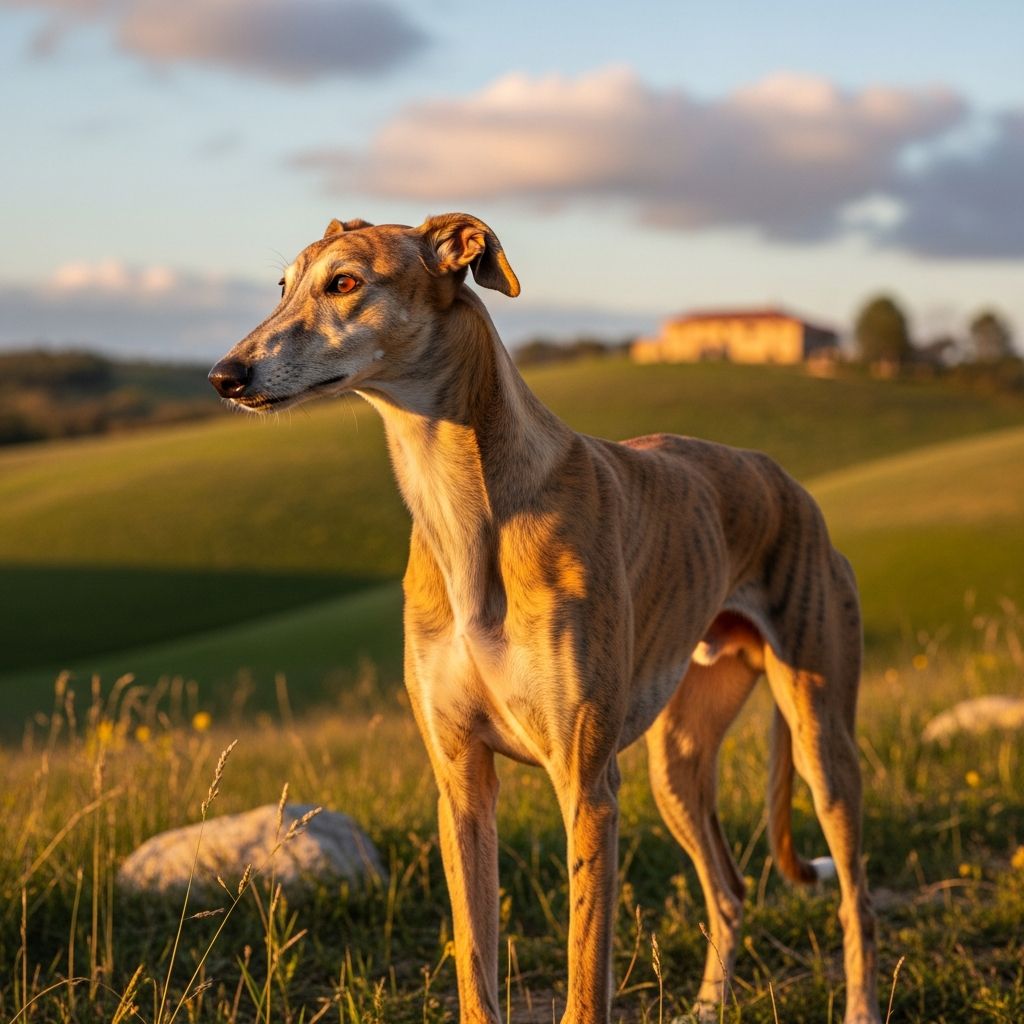
Spanish Greyhound: An Ancient and Elegant Sighthound
The Spanish Greyhound, known in its native land as the Galgo Español, is an ancient breed steeped in Spanish heritage and tradition. Often confused with its English counterpart, the Spanish Greyhound is actually a distinct breed with its own unique characteristics and history. This elegant sighthound has been bred for centuries specifically for hunting hare and other game in the open fields of Spain, and has developed into a gentle, calm companion that thrives in both active and family-oriented households.
While many assume the English Greyhound descended from Spanish stock, the relationship between these two breeds is more complex than commonly believed. The Spanish Greyhound is likely the predecessor to the English Greyhound, representing an ancient lineage that has been carefully preserved in Spain for generations. Understanding this breed requires appreciating both its working heritage and its modern role as a beloved family pet.
Physical Characteristics and Appearance
The Spanish Greyhound possesses a distinctive physical structure that sets it apart from other sighthound breeds. These dogs are characterized by an elegant, streamlined build designed for endurance rather than sprinting. Their appearance reflects their purpose as long-distance hunters capable of pursuing game across vast Spanish terrain.
Size and Build
Spanish Greyhounds typically stand between 60-70 centimeters (24-28 inches) in height, with males generally being taller than females. Despite their height, they maintain a relatively lean and lightweight frame. They are higher in the rear than in the front, a conformation characteristic that distinguishes them from English Greyhounds. This unique body structure provides the leverage needed for the sustained running and quick directional changes required during hunts.
Their musculature is distinctly different from English Greyhounds, featuring flatter, longer muscles that are characteristic of endurance runners rather than sprinters. The chest, while well-developed, is not as deep as that of an English Greyhound and should not extend to the point of the elbow. This leaner construction allows for greater agility and stamina over long distances.
Head and Facial Features
One of the most distinctive features of the Spanish Greyhound is its long, narrow head that gives an impression of larger ears than typically found in English Greyhounds. The head is streamlined and elegant, contributing to the breed’s aristocratic appearance. Their almond-shaped eyes reflect their sighthound heritage and their keen ability to track movement across open terrain. The long, pointed muzzle is another defining characteristic that contributes to their unique profile.
Tail and Coat Variations
Spanish Greyhounds possess exceptionally long, fine tails that are held low when the dog is at rest. The tail serves both aesthetic and functional purposes, aiding in balance during running and quick turns. Another distinguishing feature is that Spanish Greyhounds come in two distinct coat varieties: smooth-coated and rough-coated (wire-haired). This dual coat option is not found in English Greyhounds, further emphasizing the Spanish breed’s distinctness.
The breed comes in a remarkable variety of colors and patterns, including brindle (barcino or atigrado), black (negro), golden (barquillo), toasted (tostado), cinnamon (canela), yellow (amarillo), red (rojo), white (blanco), white with patches (berrendo), and combinations with white markings on the muzzle and forehead (pío). This color diversity reflects the breed’s long history and natural genetic variation.
Temperament and Personality
Despite their athletic prowess and hunting heritage, Spanish Greyhounds are renowned for their calm, gentle, and laid-back temperament. Often described as “40 mph couch potatoes,” these dogs are content to spend their days relaxing and lounging with their families. This apparent contradiction between their ability as working hunters and their preference for home comfort makes them surprisingly adaptable to various living situations.
General Disposition
Spanish Greyhounds are typically quiet, reserved dogs that display gentle and affectionate behavior toward their family members. They tend to be introspective and somewhat shy with strangers, though they are not aggressive. This reserved nature often makes them excellent apartment and city dogs, as they take up minimal space indoors and require relatively little activity while at home. Their calm demeanor and quiet nature are particularly valued by owners seeking peaceful companions.
Social Compatibility
These sighthounds generally get along well with other dogs and can coexist peacefully with cats when properly socialized from puppyhood. Their gentle nature extends to interactions with people, and they are capable of being well-behaved family companions. However, early socialization is important to ensure they develop confidence and appropriate social skills. With their innate docility and tendency toward quietude, Spanish Greyhounds make excellent pets for families and individuals seeking a calm, affectionate companion.
Activity Level and Exercise Needs
While Spanish Greyhounds are calm indoors, they require a significant amount of daily outdoor exercise and mental stimulation to prevent boredom and destructive behavior. These dogs need regular access to safe, enclosed areas where they can run freely and burn off their considerable energy reserves. Daily walks, combined with opportunities to run in secure spaces, are essential for their physical and mental well-being.
They excel at performance activities such as lure coursing and racing, where they can utilize their natural talents and athletic abilities. These activities provide both physical exercise and mental enrichment, contributing to a well-balanced, happy dog. Owners should plan for at least one to two hours of active engagement daily, supplemented with indoor relaxation time.
Grooming and Coat Care
Maintaining a Spanish Greyhound’s appearance and health requires regular grooming tailored to their specific coat type and needs.
Brushing and Coat Maintenance
Both smooth-coated and rough-coated varieties should be brushed at least once weekly to maintain coat health and minimize shedding. For smooth-coated dogs, a rubber curry brush, soft slicker brush, or hound mitt is appropriate for regular grooming. Rough-coated or wire-haired varieties can be groomed with similar tools, though their facial hair requires special attention using a metal comb to prevent matting and maintain the distinctive beard and mustache.
The rough-coated variety’s facial hair requires more frequent combing if food particles become trapped, as neglect can lead to unpleasant odors. Regular attention to these areas helps maintain both hygiene and the breed’s characteristic appearance.
Bathing and Skin Care
Spanish Greyhounds should be bathed every three to four months rather than more frequently, as excessive bathing can cause skin irritation and dandruff. When bathing is necessary, use gentle, dog-appropriate shampoos that won’t strip the natural oils from their coat. While they don’t possess a strong dog odor, regular bathing helps maintain cleanliness and skin health.
Nail and Foot Care
Nails should be trimmed every few weeks to prevent overgrowth and discomfort. However, sighthounds are characteristically sensitive about having their feet handled, making nail trimming potentially stressful. Starting foot handling from puppyhood helps desensitize them and makes routine maintenance easier throughout their lives. Gentle handling and positive reinforcement during nail care sessions can reduce anxiety associated with this necessary grooming task.
Other Grooming Considerations
Spanish Greyhounds shed mildly throughout the year, making regular brushing important for managing loose hair. They are not hypoallergenic, so individuals with allergies may experience reactions. Regular ear checks and dental care should also be incorporated into their grooming routine to maintain overall health and prevent infections.
Health and Wellness
Spanish Greyhounds are generally a healthy breed with relatively few breed-specific health concerns compared to many other dog breeds. However, like all sighthounds, they have specific health considerations that owners should understand.
General Health Status
The breed is considered fairly robust and disease-resistant, which contributes to their longevity and quality of life. Their natural, working-dog heritage has maintained genetic diversity and health throughout the breed’s history. However, responsible breeding practices remain important for preserving these health advantages.
Sensitivity to Anesthesia
One important health consideration specific to Spanish Greyhounds and other sighthounds is their sensitivity to certain anesthetics. Veterinarians treating this breed should be informed of their sighthound status, as some anesthetic protocols may need adjustment. This sensitivity is a known characteristic of the breed and requires communication with your veterinary professional regarding any surgical procedures.
Climate Considerations
Spanish Greyhounds have minimal body fat and short coats, making them particularly sensitive to cold temperatures. Outside of warm climates like their native Spain, they require warm clothing during winter months and colder weather. Providing appropriate coats, sweaters, or other protective wear in cold climates is essential for their comfort and health. They also appreciate warm bedding and may need to limit outdoor time during extreme cold.
Training and Behavioral Management
Spanish Greyhounds respond well to positive, consistent training methods that take advantage of their intelligence and desire to please. Understanding their independent nature and sighthound instincts is key to successful training and behavior management.
Training Approaches
These dogs respond best to reward-based training that emphasizes positive reinforcement. Their calm, somewhat independent nature means they may not be as enthusiastically responsive to commands as some other breeds, but they are capable learners. Consistency, patience, and appealing rewards such as treats or play sessions help motivate Spanish Greyhounds during training exercises.
Prey Drive and Off-Leash Safety
It’s important to remember that Spanish Greyhounds are sighthounds with a strong prey drive developed over centuries of hunting. Small animals, including cats and small dogs, can trigger their hunting instincts, particularly in dogs not raised with them from puppyhood. Off-leash freedom should only occur in securely fenced areas where they cannot chase prey animals or get lost chasing movement across open spaces.
Behavioral Characteristics to Manage
While generally calm indoors, Spanish Greyhounds are curious and many are excellent jumpers. Baby gates and standard four-foot fences may not contain them, requiring secure fencing of adequate height. Boredom can lead to destructive behavior, so adequate exercise and mental stimulation are crucial for preventing behavioral problems.
Suitability for Different Living Situations
Spanish Greyhounds adapt remarkably well to various living arrangements when their exercise needs are met.
Apartment and City Living
Despite their size, Spanish Greyhounds can make excellent apartment and city dogs. Their calm indoor demeanor and quiet nature mean they don’t require extensive space while indoors. They are generally well-mannered and unobtrusive, making them suitable for urban environments where noise levels are a concern.
Family Homes
In family settings, Spanish Greyhounds thrive as gentle, affectionate companions. Their patience and calm temperament make them suitable for families with older children. However, their reserved nature and potential sensitivity mean they require households that understand and respect their personality. Supervision with young children is advisable due to their size and thin frames, which can be easily injured by rough play.
Active Individuals and Runners
For active owners, Spanish Greyhounds make excellent jogging and running companions. They can maintain steady paces alongside joggers and appreciate the mental and physical stimulation these activities provide. Their endurance capabilities make them ideal for owners seeking an athletic companion for regular exercise routines.
Frequently Asked Questions (FAQs)
Q: How are Spanish Greyhounds different from English Greyhounds?
A: Spanish Greyhounds are likely the predecessors to English Greyhounds. They are distinctly different breeds with different conformations—Spanish Greyhounds are higher in the rear, have flatter musculature characteristic of endurance runners, smaller and lighter builds, longer tails, and come in two coat varieties (smooth and rough). English Greyhounds have a sprinter’s build, deeper chests, and only smooth coats.
Q: Can Spanish Greyhounds live in apartments?
A: Yes, Spanish Greyhounds can adapt well to apartment living due to their calm indoor demeanor and quiet nature. They require regular outdoor exercise in secure areas, but their subdued behavior indoors makes them suitable for urban living situations.
Q: What climate conditions do Spanish Greyhounds prefer?
A: Spanish Greyhounds prefer warm climates due to their minimal body fat and short coats. In colder climates, they require warm clothing during winter months and may be sensitive to extreme cold, often needing sweaters and protected outdoor time.
Q: How much exercise do Spanish Greyhounds need?
A: Spanish Greyhounds require daily exercise and outdoor time to prevent boredom. While content to relax indoors, they need access to secure areas where they can run freely and benefit from regular walks, jogging, or structured activities like lure coursing.
Q: Are Spanish Greyhounds good with other pets?
A: They generally get along well with other dogs and can coexist peacefully with cats when properly socialized from puppyhood. However, their prey drive requires careful introduction and ongoing supervision with small animals.
Q: What grooming maintenance do they require?
A: Spanish Greyhounds should be brushed weekly using appropriate tools for their coat type. They should be bathed every three to four months, have nails trimmed every few weeks, and require regular foot handling to manage sensitivity. Rough-coated varieties need additional attention to facial hair grooming.
References
- Galgo Español – Wikipedia — Wikimedia Foundation. 2024. https://en.wikipedia.org/wiki/Galgo_Espa%C3%B1ol
- Spanish Galgo Breed Information — Embark Veterinary. 2024. https://embarkvet.com/resources/dog-breeds/spanish-galgo/
- What Is A Galgo — Galgos del Sol. 2024. https://galgosdelsol.org/what-is-a-galgo/
- Spanish Greyhound Breed Information — Royal Canin US. 2024. https://www.royalcanin.com/us/dogs/breeds/spanish-greyhound
- Spanish Greyhound – Dog Breed Facts and Information — Wag Walking. 2024. https://wagwalking.com/breed/spanish-greyhound
Similar Articles








Read full bio of medha deb


