

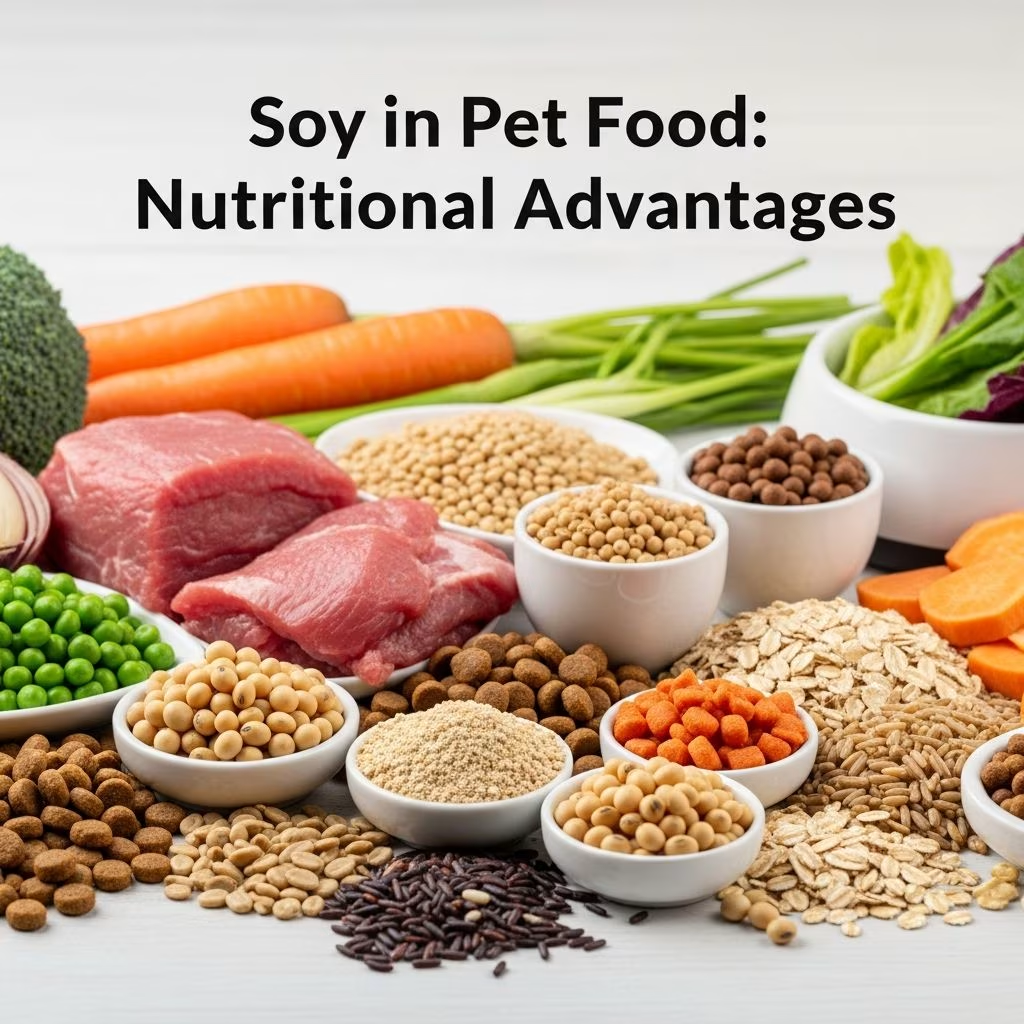
Soy has emerged as a valuable ingredient in modern pet foods, offering a plant-based source of high-quality nutrition that complements traditional animal proteins. This article delves into the multifaceted benefits of soy, from its rich profile of essential amino acids to its role in supporting overall pet health.
Understanding Soy’s Role in Pet Diets
Pet food formulations increasingly incorporate plant proteins like soy to meet the growing demand for balanced, sustainable nutrition. Soybean meal, soy protein concentrate (SPC), and soy protein isolate provide consistent protein levels, typically ranging from 44-48% crude protein in soybean meal and higher in refined forms. These ingredients are processed to remove undesirable elements like beany flavors and flatulence-causing carbohydrates, making them suitable for dry kibble, semi-moist, and canned products at inclusion levels of 5-15%.
Unlike perceptions of soy as a mere filler, experts affirm its nutritional density. Dr. George Fahey, Jr., notes that soy products, especially concentrates and isolates, are purified and costly, used strategically for their superior value. Soy complements grains and meats by supplying missing amino acids, ensuring complete protein profiles for dogs and cats.
Protein Powerhouse for Muscle and Growth
At the core of soy’s appeal is its exceptional protein content. Soy protein concentrate delivers a well-balanced amino acid profile that meets or exceeds canine and feline requirements, particularly rich in lysine, an essential amino acid often limited in other plant sources. Studies show soy protein digestibility rivals or surpasses poultry by-product meal, with total amino acid digestibility higher in low-oligosaccharide soy formulations.
- Lysine abundance: Supports protein synthesis and growth, crucial for active pets.
- Complementary pairing: Pairs effectively with corn or meat to form complete proteins.
- High digestibility: Up to 89.8% for SPC, aiding nutrient absorption.
For cats, while taurine must be supplemented separately, soy enhances overall amino acid balance when combined with animal sources. This makes soy ideal for weight management and metabolic health in pets.
Vital Vitamins and Minerals from Soy
Soy packs a nutrient punch beyond protein, serving as a concentrated source of vitamins and minerals essential for pet vitality.
| Nutrient | Benefit for Pets | Source Contribution |
|---|---|---|
| Folic Acid (Vitamin B9) | Supports DNA production, blood cell formation, and cell growth during key life stages like puppyhood or gestation. | High natural levels in soy. |
| Vitamin C | Acts as an antioxidant, reducing inflammation and combating free radicals; beneficial supplementation despite canine liver synthesis. | Present in soy products. |
| Vitamin E | Protects cells, supports fat metabolism, prevents eye/muscle issues and fertility problems. | Key antioxidant in soy. |
| Vitamin K | Essential for blood clotting, countering toxin-induced bleeding risks. | Found in soy. |
| Potassium | Maintains heart, nerve, and muscle function; prevents lethargy and muscle loss. | Abundant in soy. |
These nutrients position soy as a multifunctional ingredient, addressing deficiencies common in less varied diets.
Healthy Fats and Fiber for Wellness
Soy contributes essential polyunsaturated fatty acids vital for skin, coat health, immune function, and energy. Unlike saturated fats, these unsaturated fats are readily metabolized by healthy pets, with digestibility around 85%. Soy’s vegetable oils nourish coats without cholesterol, even aiding cholesterol reduction in animals.
Fiber from soy promotes digestive health, providing fermentable fibers that support gut microbiota. Refined SPC minimizes issues like loose stools by removing indigestible carbs, resulting in firmer, lower-volume feces compared to unprocessed soy. Dogs on SPC diets show reduced fecal output and improved dry matter content.
Allergy-Friendly and Heart-Healthy Option
Soy stands out for its low allergenicity in dogs compared to meat or dairy, making it suitable for sensitive pets. Its isoflavones, potent antioxidants, mirror human health benefits like cholesterol lowering and potential cancer protection. In pets, soy supports heart health, obesity management, and even lymphoma treatment adjuncts.
Processing advancements eliminate flatulence risks from oligosaccharides, enhancing palatability and owner satisfaction.
Processing Innovations and Practical Applications
Soy’s versatility shines in manufacturing. SPC improves extrusion efficiency in dry kibble, enhances texture in semi-moist foods, and stabilizes canned products. It aids emulsification and kibble structure, allowing formulators to boost protein without excess animal sources.
U.S. Soy products meet needs for dogs, cats, rabbits, birds, and fish, promoting sustainability amid rising plant-protein demand.
Addressing Common Myths About Soy
- Myth: Soy is just filler. Fact: High protein and nutrient density make it premium, not cheap.
- Myth: Causes digestive upset. Fact: Processed forms like SPC reduce flatulence and improve stool quality.
- Myth: Inferior to meat protein. Fact: Comparable digestibility and amino profiles.
Integration Tips for Pet Owners
Choose AAFCO-compliant foods listing soy ingredients transparently. Transition gradually to monitor tolerance. Consult vets for pets with thyroid or hormonal concerns, though evidence shows safety in moderation.
Frequently Asked Questions
Is soy safe for dogs with allergies?
Yes, soy is less allergenic than many animal proteins, ideal for rotation diets.
Can cats eat soy-based food?
In balanced formulas with taurine, yes; soy complements meat proteins effectively.
Does soy cause weight gain in pets?
No, its fiber and protein support weight management.
How much soy is too much in pet food?
5-15% inclusion is optimal; higher refined forms are safe.
Is soy sustainable for pet nutrition?
Absolutely, consistent supply reduces reliance on animal proteins.
References
- The Benefit of Soy as a Pet Food Ingredient — Hill’s Pet. Accessed 2026. https://www.hillspet.ca/en-ca/pet-care/nutrition-feeding/benefits-of-soy-in-pet-food
- The Benefit of Soy as a Pet Food Ingredient — CKCUSA. 2022-12. https://ckcusa.com/blog/2022/december/the-benefit-of-soy-as-a-pet-food-ingredient/
- Why soy? – pet food ingredients — Petfoodindustry.com. Accessed 2026. https://www.petfoodindustry.com/pet-food-market/article/15451487/why-soy-pet-food-ingredients
- U.S. Soy in Animal Nutrition — USSEC.org. Accessed 2026. https://ussec.org/why-choose-us-soy/animal-nutrition/
- Soy in Dog Food: What You Need to Know — AKC.org. Accessed 2026. https://www.akc.org/expert-advice/nutrition/soy-in-dog-food-what-you-need-to-know/
- Nutritional and health benefits of soy proteins — PubMed (Friedman M). 2001-04-25. https://pubmed.ncbi.nlm.nih.gov/11312815/
- Soy Protein — VCA Hospitals. Accessed 2026. https://vcahospitals.com/know-your-pet/soy-protein



