

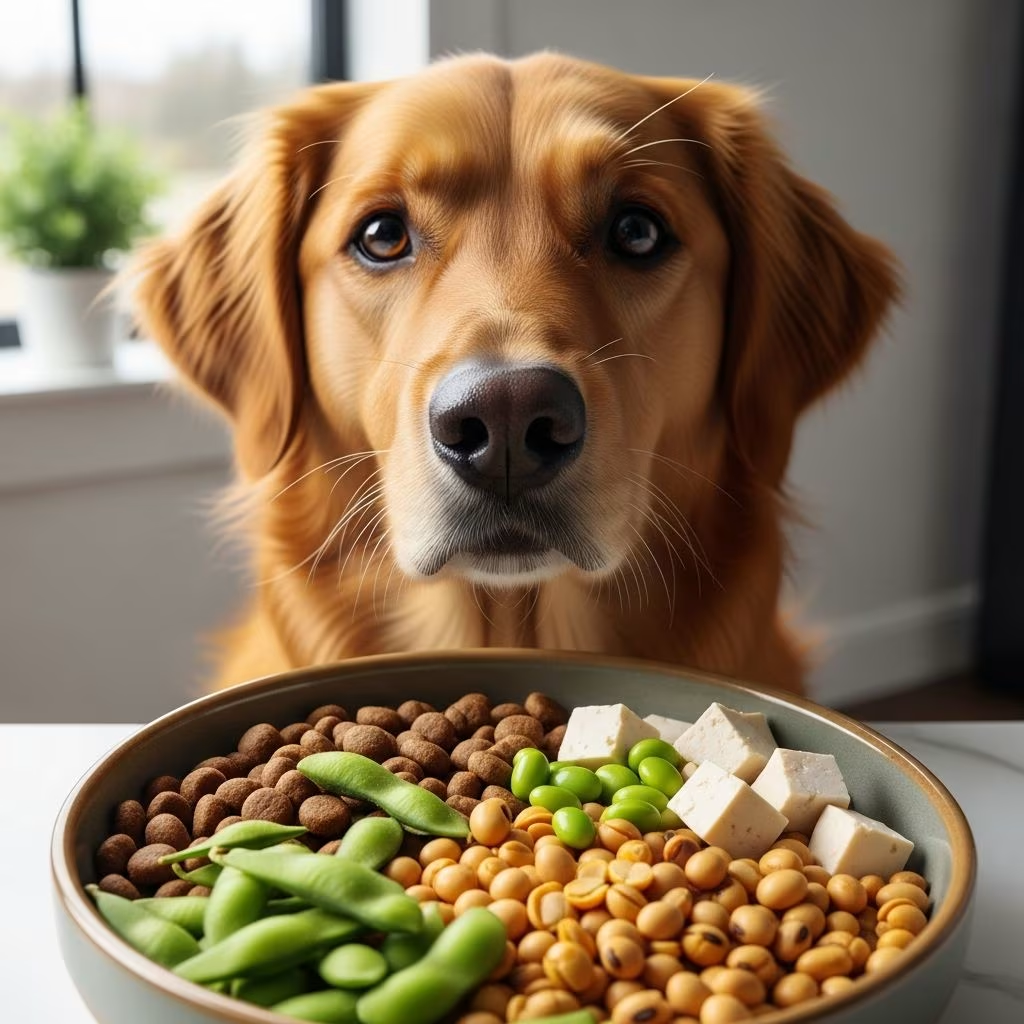
Pet owners frequently encounter soy as an ingredient in commercial dog foods, yet many remain uncertain about whether this legume-derived protein is genuinely beneficial for their canine companions. The question of soy safety in dog nutrition extends beyond simple toxicity assessments—it involves understanding how dogs metabolize plant-based proteins, evaluating potential allergenic responses, and weighing the advantages of affordability against nutritional completeness. This comprehensive guide explores the multifaceted relationship between soy and canine health.
Understanding Soy as a Dog Food Ingredient
Soy functions as a prevalent ingredient in the pet food industry, appearing in various forms including soybean meal, textured vegetable protein, and soy protein isolates. The inclusion of soy in commercial dog foods stems primarily from economic considerations rather than nutritional superiority. Soy represents the most complete vegetable protein source available in pet food manufacturing and offers manufacturers a cost-effective alternative to animal-derived proteins such as meat, poultry, or fish.
The regulatory framework governing dog food in the United States requires that all ingredients meet minimum standards for health and digestibility. Soy products generally satisfy these regulatory requirements, which means dogs can physiologically digest soy without severe adverse immediate reactions. However, regulatory approval for digestibility does not necessarily indicate optimal nutritional value or the absence of long-term health concerns.
Digestibility and Protein Quality Considerations
While soy contains protein, the quality and bioavailability of this protein differ significantly from animal-based sources. Dogs evolved as omnivores with a digestive system adapted to process meat-based proteins more efficiently than plant-based alternatives. The amino acid profile of plant proteins like soy lacks certain essential amino acids that dogs obtain more readily from animal sources.
The presence of antinutrient compounds in soy creates additional digestive complications. Lectins—sticky proteins found in legumes including soy—interfere with digestive enzyme function and impede the absorption of essential vitamins and minerals. This antinutrient effect can manifest as digestive disturbances including gas, bloating, and diarrhea in susceptible dogs.
Additionally, the processing methods used to create soy-based dog food ingredients often involve high-temperature treatments. These industrial processes can alter soy’s protein structure, potentially creating compounds like lysinoalanine and nitrosamines that may pose health risks.
Allergenic Potential and Sensitivity Reactions
Soy ranks among the most common food allergens affecting dogs, despite manufacturer claims about its hypoallergenic properties. Dogs with soy sensitivity may experience a range of clinical signs including:
- Obsessive or repetitive licking behaviors
- Hair loss and coat quality deterioration
- Chronic ear infections
- Itchy or irritated skin
- Digestive upset including vomiting and diarrhea
- Excessive paw licking
It is important to note that while soy allergies do occur, they represent a specific immune response rather than a universal reaction affecting all dogs. Some veterinarians actually prescribe hydrolyzed soy diets specifically for dogs undergoing allergy diagnosis and treatment. In hydrolyzed form, soy proteins are broken into smaller molecular fragments that the immune system may not recognize, potentially preventing allergic reactions in dogs with sensitivities to intact soy proteins.
Hormonal and Endocrine Effects
Soy contains phytoestrogens—plant-based compounds that mimic estrogen’s biochemical activity in the body. This hormonal mimicry presents a complex issue for dogs consuming soy-based diets long-term. The plant estrogens in soy may produce estrogen-like effects in spayed or neutered dogs, depending on their life stage and existing medical conditions.
Perhaps more concerning, scientific evidence suggests that soy consumption may suppress thyroid hormone production. Research indicates that soy interferes with the thyroid gland’s capacity to synthesize thyroxine (T4) and tri-iodothyronine (T3), hormones essential for normal metabolic function. Dogs with hypothyroidism or predisposition to thyroid disease should particularly avoid soy-based diets, as the ingredient may exacerbate existing thyroid dysfunction.
Genetically Modified Soy and Chemical Residues
The majority of soy cultivated globally undergoes genetic modification for herbicide resistance. A 2014 Norwegian study documented that genetically modified soy contained elevated glyphosate residues at concentrations of 3.3 mg/kg. Beyond the direct toxicity concerns associated with glyphosate exposure, the research revealed that genetically modified soybeans demonstrated nutritional profiles significantly different from organically grown or conventional varieties, containing notably lower protein levels and higher concentrations of omega-6 fatty acids.
Glyphosate’s mechanism of action extends beyond plant herbicide activity—it also disrupts beneficial bacterial populations in the gastrointestinal microbiome. This disruption compromises the intestinal barrier function and weakens overall immune system response, potentially increasing susceptibility to infections and inflammatory conditions.
Soy Sauce and Other Processed Soy Products
While soy as a food ingredient presents mixed nutritional value, certain processed soy derivatives pose direct toxicity risks. Soy sauce contains extraordinarily high sodium concentrations that can produce serious adverse health effects in dogs. Even minimal consumption—such as a few licks of spilled soy sauce—may trigger gastrointestinal upset.
Excessive sodium intake in dogs can precipitate multiple serious complications including:
- Severe dehydration
- Vomiting and diarrhea
- Kidney strain and dysfunction
- Sodium ion poisoning
Pet owners who observe their dog consuming soy sauce should immediately contact their veterinarian to assess for sodium toxicity and receive appropriate supportive care.
Soy milk, conversely, presents a different safety profile. In moderate quantities, soy milk is neither toxic nor particularly difficult for dogs to digest, though it offers minimal nutritional benefit compared to meat-based protein sources.
Risk Stratification for Specific Health Conditions
Certain canine populations face elevated risks when consuming soy-based diets. Veterinary medical literature recommends cautious use or avoidance of soy protein in dogs with:
- Diagnosed thyroid disease or hypothyroidism
- Liver dysfunction or disease
- Kidney disease or compromised renal function
- Pregnancy or nursing status
- Documented soy allergy or sensitivity
- History of seizures, which some research has associated with soybean products
- Conditions where estrogen activity requires minimization
Dogs with existing food sensitivities to other ingredients may paradoxically tolerate soy well, making soy-based prescription diets appropriate for select individuals under veterinary guidance.
Comparing Nutritional Profiles: Plant Versus Animal Proteins
| Protein Source | Bioavailability | Essential Amino Acid Profile | Cost | Allergenic Potential |
|---|---|---|---|---|
| Soy | Moderate to Low | Complete but lower digestibility | Lower | Relatively High |
| Meat/Poultry | High | Complete and highly digestible | Higher | Lower |
| Fish | Very High | Complete with omega fatty acids | Higher | Very Low |
| Eggs | Very High | Complete and superior amino acid ratio | Higher | Low |
Regulatory Status and Manufacturing Standards
Pet foods containing soy in the United States must conform to Association of American Feed Control Officials (AAFCO) standards established to ensure minimum nutritional adequacy and ingredient safety. Meeting these standards indicates that soy-containing formulations provide adequate protein quantity and digestibility for maintenance of canine health.
However, regulatory adequacy represents a baseline threshold rather than an endorsement of optimal nutrition. A diet meeting minimum standards may technically support life and basic function while offering less nutritional value than alternatives using higher-quality protein sources.
Making Informed Dietary Decisions
When evaluating whether to feed soy-containing dog foods, pet owners should consider their individual dog’s health status, age, and any existing medical conditions. Dogs with hypothyroidism, sensitivities to other proteins, or allergic predispositions warrant veterinary consultation before introducing soy-based diets.
For dogs without specific contraindications, occasional soy consumption in moderate quantities appears safe, though superior nutritional alternatives exist. Many affordable dog food brands formulate complete and balanced diets using meat-based proteins without relying on soy as a primary ingredient.
Key Takeaways for Pet Owners
- Soy is non-toxic but represents a lower-quality protein source compared to animal-derived proteins
- Soy allergies rank among the most common food sensitivities in dogs despite being less frequent than some other allergens
- Phytoestrogens in soy may disrupt hormone balance and thyroid function with long-term consumption
- Processed soy products like soy sauce pose direct toxicity risks due to sodium content
- Hydrolyzed soy diets may benefit specific dogs with certain allergic conditions under veterinary supervision
- Dogs absorb nutrients from animal proteins more efficiently than from plant-based alternatives
- Regulatory approval for soy in dog food indicates basic safety and digestibility, not nutritional superiority
References
- Can Dogs Eat Soy? The Risks of Feeding Soy Dog Food — Sundays for Dogs. 2024. https://sundaysfordogs.com/blog/can-dogs-eat-soy
- Can Dogs Eat Soy? — PetLab Co. 2024. https://www.petlabco.co.uk/learn/nutrition/can-dogs-have-soy
- Can Dogs Eat Soy? (& How Safe Is It?) — Hill’s Pet Nutrition. 2024. https://www.hillspet.com/dog-care/nutrition-feeding/can-dogs-eat-soy
- Can Dogs Eat Soy? — PetCareRx. 2024. https://www.petcarerx.com/article/can-dogs-eat-soy/1572
- Can Dogs Eat Soy? — Dogs Naturally Magazine. 2024. https://www.dogsnaturallymagazine.com/soy-pet-food/
- Soy in Dog Food: What You Need to Know — American Kennel Club. 2024. https://www.akc.org/expert-advice/nutrition/soy-in-dog-food-what-you-need-to-know/
- Soy Protein — VCA Animal Hospitals. 2024. https://vcahospitals.com/know-your-pet/soy-protein



