

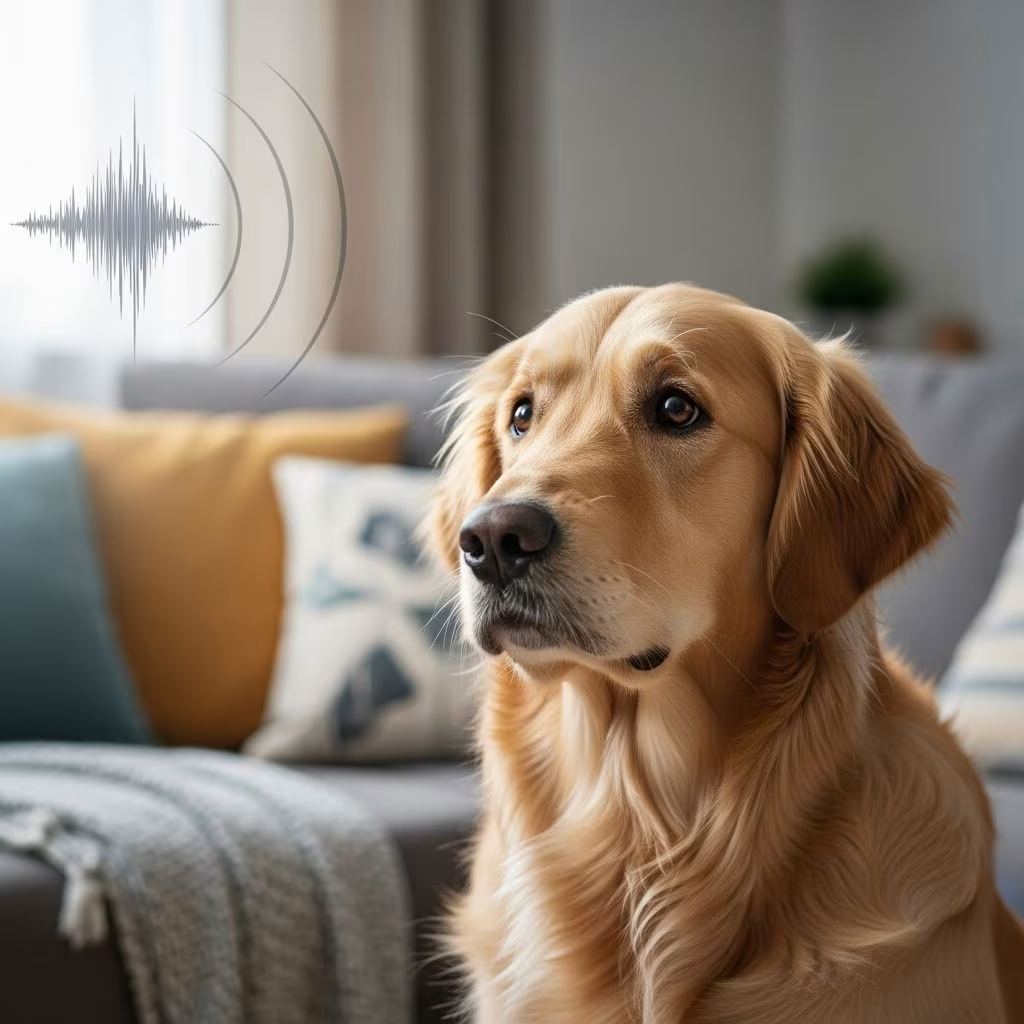
Dogs possess hearing capabilities far superior to humans, detecting frequencies up to 65,000 Hz compared to our 20,000 Hz limit, making many everyday noises overwhelming or painful for them. This sensitivity often leads to anxiety, fear responses, or avoidance behaviors when exposed to specific sounds.
The Science Behind Canine Auditory Sensitivity
Canine ears are structured to capture a broader spectrum of sounds, particularly high-pitched tones that humans barely perceive. Research indicates dogs hear four times better at high frequencies and have greater sound localization precision. Low-frequency rumbles and sudden bursts register intensely, triggering the fight-or-flight response. A 2021 study analyzing owner reports and videos revealed that household appliances and alerts provoke stress in many dogs, often underestimated by owners.
Physiologically, this heightened detection aids survival in the wild but clashes with modern environments filled with mechanical whirs and electronic beeps. Barometric shifts during storms or visual cues like lightning compound auditory triggers, creating multi-sensory overload.
Everyday Household Noises Triggering Fear
Common appliances turn serene homes into stress zones for sound-sensitive dogs. Here’s a breakdown of prevalent culprits:
- Vacuum Cleaners: Their roar reaches 70-90 decibels with high-pitched whines, erratic movements mimicking predators, and floor vibrations amplifying terror.
- Hair Dryers and Power Tools: High-frequency hums (above 20 kHz) pierce canine ears painfully, often paired with unfamiliar scents.
- Washing Machines and Dishwashers: Continuous low-frequency drones cause prolonged unease, as identified in behavioral studies.
- Smoke Detectors and Alarms: Sharp, intermittent beeps at ultrasonic levels prompt panic; frequent chirps from low batteries exacerbate issues.
Owners report dogs fleeing rooms, trembling, or barking excessively during these episodes, with one-third retreating entirely.
Environmental and Outdoor Sounds Causing Panic
Beyond home confines, external noises pose significant challenges, especially during routine walks or neighborhood events.
| Sound Type | Why It Scares Dogs | Common Reactions |
|---|---|---|
| Thunderstorms | Loud claps (120 dB), pressure drops, wind howls | Hiding, pacing, escape attempts |
| Fireworks/Gunshots | Sudden explosions, distant detectability | Trembling, drooling, howling |
| Sirens | Wailing pitches designed for penetration | Barking, cowering |
| Traffic (Horns, Trucks) | Deep rumbles, abrupt honks | Pulling on leash, freezing |
These unpredictable events spike cortisol levels, leading to lasting phobias if unmanaged.
Subtle High-Pitch Terrors Humans Miss
Dogs detect ultrasonic beeps from TVs, phones, microwaves, and even squeaky toys that evade human ears. A University of California study notes these can cause ear flicking, head tilting, or agitation, sometimes bordering on pain. Electronic devices like doorbells or timers fall into this category, startling even calm breeds.
Recognizing Stress Signals in Your Dog
Subtle cues reveal discomfort before full-blown panic:
- Panting or lip-licking without exertion
- Ears pinned back or tail tucked
- Yawning excessively
- Avoidance of sound source
- Whining, howling, or destructive chewing
Video analysis from scared dogs shows body stiffening and gaze aversion as early indicators. Ignoring these risks chronic anxiety, potentially leading to aggression or health issues like elevated heart rates.
Proven Strategies to Mitigate Sound Fears
Desensitization works best: play low-volume recordings of feared sounds paired with treats, gradually increasing intensity over weeks.
- White Noise Machines: Mask triggers with steady fans or apps simulating rain.
- Calming Aids: Thunder shirts apply gentle pressure, mimicking swaddling; pheromone diffusers reduce baseline stress.
- Safe Spaces: Create quiet zones with crates covered by blankets.
- Exercise Pre-Exposure: Tire dogs out before predictable events like vacuuming.
- Professional Help: Vets may prescribe short-term anti-anxiety meds for severe cases.
Consistency yields results; one study found 70% improvement in desensitized dogs.
Breed and Age Factors Influencing Sensitivity
Herding breeds like Border Collies and herders show higher reactivity due to genetic vigilance. Puppies under 6 months and seniors over 10 are most vulnerable, with age-related hearing loss paradoxically heightening reactions to remaining frequencies. Rescue dogs carry trauma histories amplifying fears.
Long-Term Management for a Peaceful Life
Preventive training from puppyhood builds resilience. Monitor for escalating behaviors and consult vets to rule out pain-related sensitivities. Apps with customizable sound libraries aid home training, fostering confidence.
Integrate routines: groom during quiet times, avoiding dryers initially. Community fireworks? Plan ahead with distractions. Empathetic adjustments transform fearful episodes into manageable moments.
Frequently Asked Questions
Why do some dogs hate vacuums more than others?
Individual temperament, past experiences, and hearing acuity vary; herding breeds often react strongest due to predatory instincts.
Can thunder phobia be cured?
Not always fully, but desensitization reduces severity in 60-80% of cases with consistent effort.
Are earplugs safe for dogs?
No; they risk infection. Use environmental masking instead.
What if my dog ignores all noises?
Some breeds like Labradors are less sensitive, but watch for subtle stress.
Do CBD treats help with sound anxiety?
Emerging evidence suggests mild relief; consult vets for dosing.
References
- Common Sounds Dogs Hate — Whole Dog Journal. 2023-05-15. https://www.whole-dog-journal.com/care/common-sounds-dogs-hate/
- Noises That Dogs Hate: Common Sounds That Trigger Anxiety — PDGA Online. 2024-02-10. https://www.pdga.online/blog/noises-that-dogs-hate-common-sounds-that-trigger-anxiety
- Common Household Noises May Be Stressing Your Dog — UC Davis School of Veterinary Medicine. 2021-10-20. https://www.vetmed.ucdavis.edu/news/common-household-noises-may-be-stressing-your-dog
- These Common Household Noises Are Super Stressful for Dogs — Kinship. 2021-11-05. https://www.kinship.com/dog-behavior/noises-that-stress-out-dogs
- What sounds do dogs hate, and what frequencies do they hate? — Duz Dryer. 2023-08-12. https://en.duzdryer.com/blogs/news/what-sounds-do-dogs-hate-and-what-frequencies-do-they-hate



