

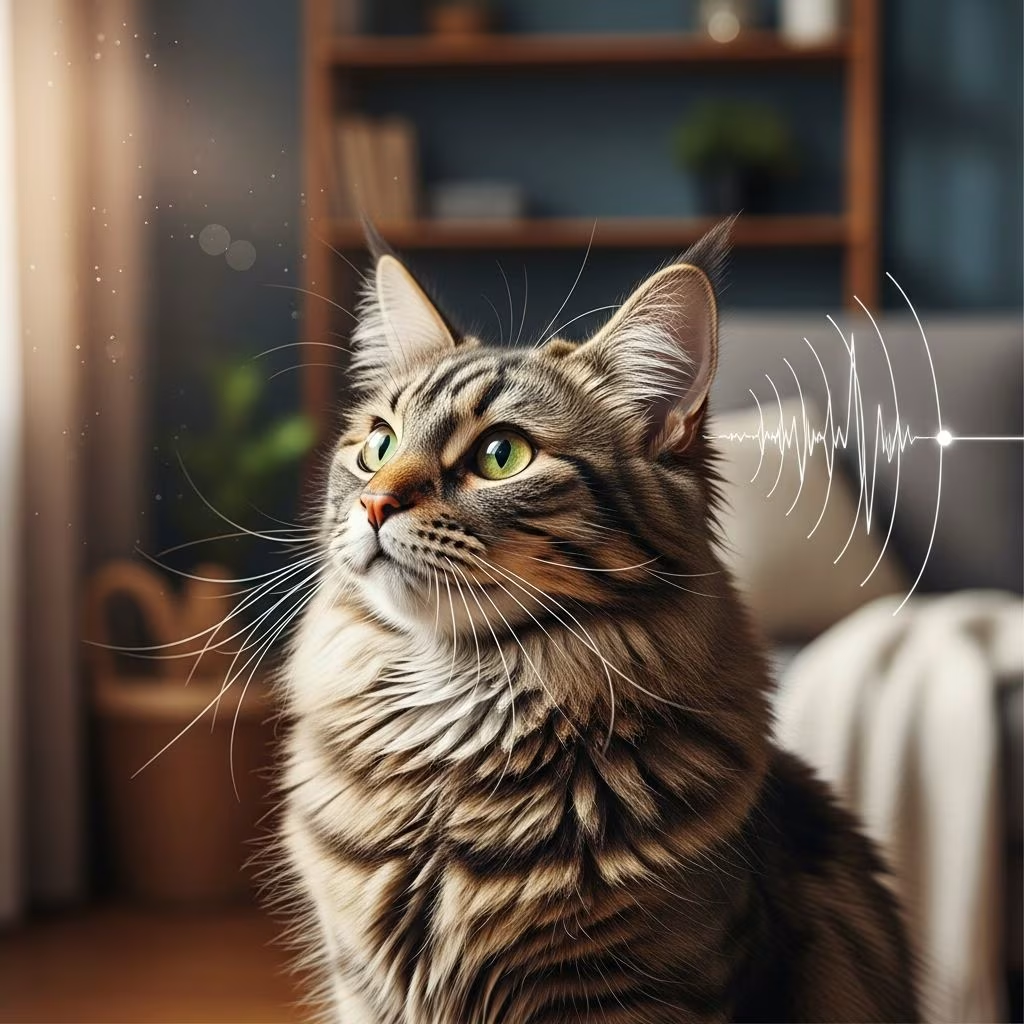
Cats possess a rich vocal repertoire that goes far beyond the familiar meow, using an array of sounds to express everything from contentment to excitement. These vocalizations, tailored especially for human interaction, reveal their inner world and preferences. Understanding these noises not only enhances your relationship with your cat but also helps you respond to their needs effectively.
The Universal Appeal of Feline Vocalizations
Feline communication relies heavily on sound, body language, and scent, but vocalizations stand out when interacting with people. Adult cats reserve many of these sounds primarily for humans, evolving them from kitten-mother exchanges into a sophisticated dialogue. A high-pitched, short meow often serves as a friendly greeting, signaling recognition and warmth toward their owners. This adaptation highlights cats’ intelligence in bridging species gaps through tailored noises.
Research into cat behavior shows that these sounds convey specific emotions and requests. For instance, prolonged meows demand attention or resources like food, while softer tones express satisfaction. Pet owners who attune to these variations report stronger bonds, as they can preemptively meet their cat’s desires.
Purring: The Soothing Symphony Cats Crave
Among the most cherished sounds in a cat’s world is the purr, a rhythmic vibration produced during both inhalation and exhalation. Commonly linked to happiness during petting or lap time, purring also serves deeper purposes. Cats emit this sound for self-healing, as the frequency—around 25 to 150 Hertz—promotes bone growth and pain relief, according to veterinary studies.
Context matters greatly; a relaxed cat with forward ears and half-closed eyes purrs from pure bliss, but a tense one might purr to cope with stress or injury. Owners often find their own stress levels drop when listening to this gentle rumble, creating mutual comfort. Encouraging purring through gentle strokes or quiet environments amplifies this shared joy.
Chirps and Trills: Joyful Calls of Affection
High-pitched chirps and trills act like musical hellos, often bubbling up when a cat greets you at the door or spots something intriguing. Mother cats use trills to summon kittens, a habit adults retain to get human attention or express delight. These sounds, short and melodic, indicate excitement without demand.
Picture your cat trilling while rubbing against your legs—this is peak affection. Such vocalizations strengthen social ties, mimicking wild cats’ contact calls. Responding with soft words or play invites more of these endearing noises, fostering trust.
Meows Decoded: From Greeting to Plea
Meowing dominates cat-human talks, varying by pitch, duration, and intensity to relay messages. A quick, upbeat meow welcomes you home, while a drawn-out version urges food or door access. Cats craft unique meow patterns per owner, much like personal dialects, refining them through your reactions.
Frustrated or insistent meows rise in volume, signaling unmet needs. Boredom or anxiety can alter typical patterns, prompting vet checks if persistent. Mastering these helps you anticipate wants, reducing stress for both.
| Meow Type | Description | Common Trigger |
|---|---|---|
| Short & High-Pitched | Quick, cheerful chirp-like | Greeting or hello |
| Long & Drawn-Out | Insistent, rising tone | Food, attention, or access |
| Low & Raspy | Guttural, repetitive | Frustration or discomfort |
Hunting Sounds: Chatter and Chirrups of Excitement
When birds flit by the window, cats unleash chatter—a rapid clicking or teeth-clacking mimicking prey calls to lure victims closer. This instinctual sound thrills them, blending frustration with predatory drive. Chirrups accompany it, short bursts of bird-like peeps expressing the thrill of the chase.
These noises reveal a cat’s wild heritage, even indoors. Interactive toys triggering chatter boost mental stimulation, satisfying their hunter’s heart without escape risks.
Warning Tones: Growls, Hisses, and Yowls Explained
Not all sounds delight cats; growls and hisses ward off threats, low rumbles escalating to sharp spits when cornered. Yowls, intense and prolonged, signal escalating distress, pain, or mating urges, especially in unspayed females.
Snarls amplify annoyance during territorial spats or unwanted petting. Recognizing these prevents escalation—back off to let your cat regain composure. Frequent yowling warrants veterinary attention for underlying health issues.
How Cats Use Sound to Bond with Humans
Cats tailor vocalizations for people, rarely meowing at fellow felines post-kittenhood. This human-centric evolution underscores domestication’s depth. Positive reinforcement—responding promptly to friendly sounds—encourages more interaction.
Observe patterns: your cat’s unique repertoire emerges from daily exchanges. Recording and noting contexts builds your ‘cat dictionary,’ enhancing empathy.
- Daily Rituals: Greet with meows at feeding times.
- Play Sessions: Chirps signal toy readiness.
- Rest Moments: Purrs invite cuddles.
Enhancing Your Cat’s Soundscape at Home
Create an environment rich in adored sounds. Soft music or nature recordings mimic birdsong, sparking chirps. Toys with bells elicit chatter during hunts. Quiet zones promote purring relaxation.
Avoid loud, sudden noises triggering defensive growls. Spaying/neutering curbs yowling. Health checks ensure vocal shifts aren’t illness signs.
Common Myths About Cat Noises Busted
Myth: All purring means happiness. Reality: It self-soothes too.
Myth: Meows are uniform. Reality: Each cat-owner pair develops dialects.
Myth: Chatter is random. Reality: Pure hunting instinct.
Frequently Asked Questions
Why does my cat meow only at me?
Adult cats meow primarily at humans, using it as a learned communication tool from kittenhood.
Is excessive purring a health concern?
Contextual purring is fine, but with signs of illness, consult a vet as it can mask pain.
What if my cat chatters at the TV?
It’s excitement from simulated prey, normal and engaging.
Do all cats trill?
Many do, especially affectionate ones, as a friendly contact sound.
Should I ignore demanding meows?
Address needs first, then train with schedules to avoid reinforcement of bad habits.
Deciphering Your Cat’s Unique Voice
Every cat’s sound profile is personal, shaped by breed, age, and experiences. Siamese cats vocalize more, while Persians purr softly. Kittens experiment broadly, adults refine for efficiency.
Journaling sounds alongside behaviors demystifies patterns. Apps analyzing vocalizations offer insights, but your observation trumps all. This attunement transforms coexistence into harmony.
Embracing these sounds deepens appreciation for cats’ expressiveness. From purrs lulling you to sleep to chirps heralding play, they weave joy into daily life.
References
- Listening and Understanding Your Cat’s Meow — Purina. 2023. https://www.purina.com.au/cat-meow-meaning.html
- 12 Cat Sounds and What They Mean — Chewy. 2024-01-15. https://www.chewy.com/education/cat/general/cat-sounds
- 9 Cat Noises and What They Mean — PetMD. 2024-05-20. https://www.petmd.com/cat/general-health/cat-noises
- Understanding Cat Behavior and Feline Language — Humane World. 2023-08-10. https://www.humaneworld.org/en/resources/understanding-cat-behavior-and



