

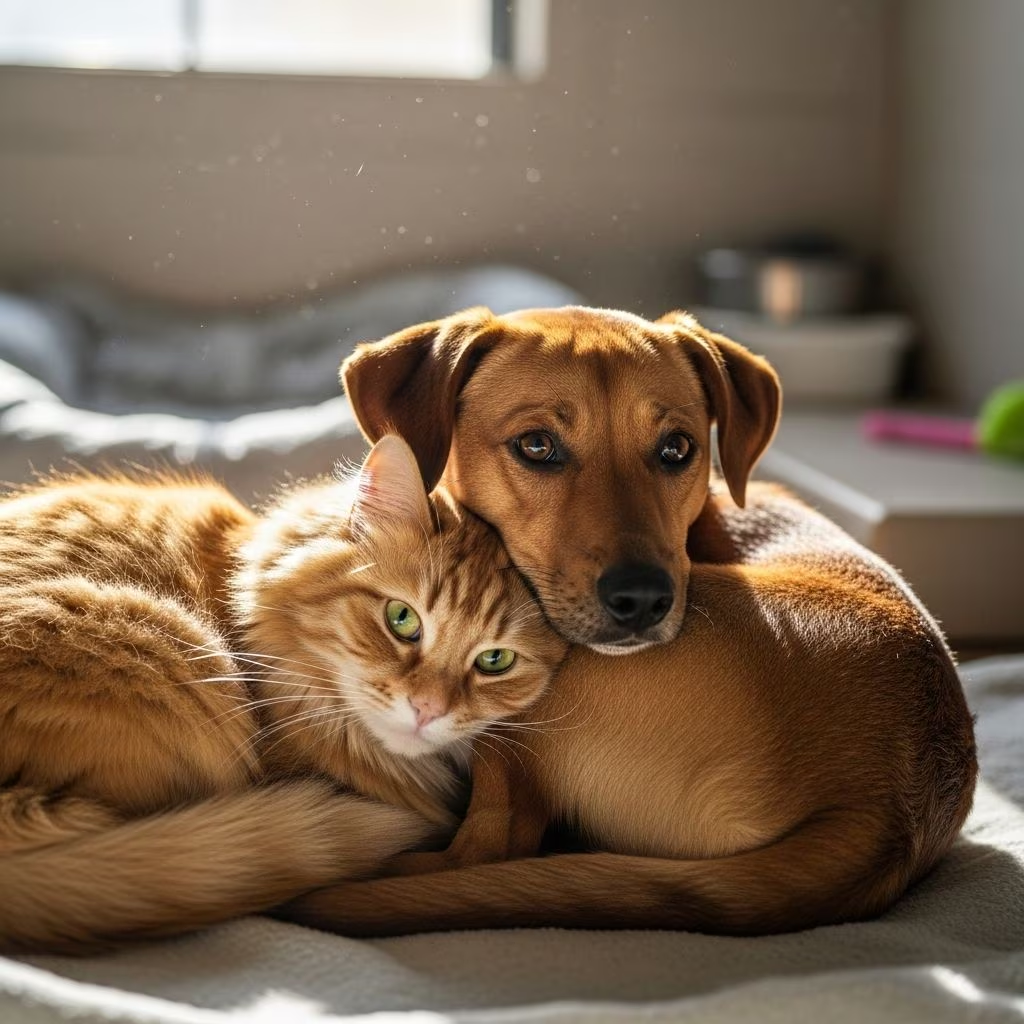
SOS Save Our Strays Animal Shelter: Transforming Lives Through Compassionate Care
SOS Save Our Strays Animal Shelter stands as a beacon of hope for abandoned, neglected, and stray animals in Coffee County. Operating as a non-profit, no-kill shelter, SOS has dedicated itself to rescuing dogs and cats from dire circumstances and providing them with the comprehensive care, medical attention, and loving homes they deserve. As a valued partner of Best Friends Animal Society, SOS participates in a nationwide network of thousands of animal welfare organizations committed to making the entire country no-kill by 2025.
The mission of SOS extends beyond simple shelter operations. The organization recognizes that every animal has intrinsic value and deserves a second chance at life. Whether animals arrive at SOS from hoarding situations, abandonment, neglect, or life on the streets, the shelter provides a safe haven where their physical and emotional well-being is prioritized. Through a combination of rescue efforts, medical care, behavioral rehabilitation, and adoption services, SOS has transformed the lives of countless animals while building stronger, more compassionate communities.
Comprehensive Health Evaluations and Medical Care
One of the cornerstone services provided by SOS Save Our Strays Animal Shelter is comprehensive health evaluation for every animal that enters the facility. Upon arrival, each dog and cat undergoes thorough veterinary assessment to determine their overall health status, identify any existing medical conditions, and establish appropriate treatment plans.
The shelter’s commitment to medical excellence ensures that animals receive necessary treatments before placement in homes. This proactive approach prevents health issues from escalating and reduces the likelihood of animals being returned to the shelter due to untreated medical problems. Veterinary staff at SOS work diligently to diagnose conditions ranging from minor issues such as skin infections or parasites to more serious concerns including chronic illnesses or injuries from life on the streets.
Health evaluations serve multiple critical functions within the shelter’s operations. They provide baseline information about each animal’s condition, help staff understand behavioral issues that may be related to pain or discomfort, and establish medical histories that can be shared with prospective adoptive families. This transparency builds trust with adopters and ensures that families are fully informed about the animals they are bringing into their homes.
Spay and Neuter Services: Breaking the Cycle
A fundamental component of SOS’s mission centers on spay and neuter services. The organization understands that pet overpopulation remains a significant crisis affecting shelters nationwide, and preventing uncontrolled reproduction is essential to addressing this problem. By spaying and neutering animals before they are adopted, SOS prevents the birth of thousands of unwanted litters that would likely end up in shelters or on the streets.
Every dog and cat that leaves SOS for an adoptive home has been spayed or neutered. This policy ensures that adopters cannot contribute to pet overpopulation through accidental breeding. Additionally, spaying and neutering provide health benefits to individual animals, including reduced risk of certain cancers and behavioral issues. The shelter’s investment in these procedures reflects a commitment to both individual animal welfare and community-wide population management.
The spay and neuter program also extends into the broader community through partnerships and collaborative initiatives. By working with other animal welfare organizations and municipal services, SOS amplifies its impact beyond the animals in its direct care. These community-focused efforts help address stray and feral cat populations through trap-neuter-vaccinate-return programs and other evidence-based strategies.
Partnerships with Best Friends Animal Society
SOS’s partnership with Best Friends Animal Society represents a strategic alliance that strengthens the shelter’s capabilities and extends its reach. Best Friends, one of the nation’s leading animal welfare organizations, has created a comprehensive network of thousands of shelters, rescue groups, spay and neuter organizations, and other animal welfare groups across the country. This Best Friends Network works collaboratively toward a shared vision: a nation where no healthy or treatable animal is killed in shelters.
Through this partnership, SOS gains access to resources, expertise, technical assistance, and networking opportunities that would be difficult to obtain independently. Best Friends provides guidance on shelter operations, animal behavior, adoption practices, and community engagement. The organization also facilitates connections between member shelters, enabling knowledge sharing and collaborative problem-solving around common challenges.
The partnership framework allows SOS to align its efforts with broader national initiatives aimed at ending animal homelessness. By participating in the Best Friends Network, SOS contributes to and benefits from collective data analysis, best practice development, and advocacy efforts. This collaborative approach recognizes that addressing animal welfare challenges requires coordinated action across multiple organizations and communities.
Rescue and Intake Operations
SOS Save Our Strays operates an active rescue program focused on identifying and removing animals from dangerous, neglectful, or unsustainable situations. The shelter’s team responds to reports of stray animals, works with animal control partners, and investigates hoarding situations where animals may be suffering from overcrowding, inadequate care, or poor living conditions.
The rescue operations at SOS demonstrate the organization’s proactive approach to animal welfare. Rather than limiting services to animals brought directly to the shelter by owners or animal control, SOS staff actively seek out animals in need. This rescue-oriented philosophy has enabled the shelter to assist animals that might otherwise languish in dangerous circumstances or be overlooked by traditional shelter systems.
When animals arrive at SOS through rescue operations, they often require immediate stabilization and intensive medical care. Animals pulled from hoarding situations may suffer from severe neglect, malnutrition, untreated injuries, or infectious diseases. Stray animals frequently arrive with parasites, skin conditions, or signs of abuse. The shelter’s veterinary and care staff are trained to assess these situations, provide emergency medical attention, and develop rehabilitation plans tailored to each animal’s specific needs.
Dog Rescue and Adoption
While many rescue organizations specialize exclusively in cats or dogs, SOS provides comprehensive services for both species. The shelter’s dog rescue program focuses on saving dogs from street situations, abusive environments, or overcrowded shelters facing capacity challenges.
Dogs arriving at SOS receive behavioral assessment alongside their medical evaluations. Staff work to understand each dog’s personality, socialization history, and any behavioral issues that may need addressing before adoption. This information helps ensure appropriate matching between dogs and adopters, reducing the likelihood of post-adoption returns or unsuccessful placements.
The adoption process for dogs at SOS includes pre-adoption counseling to help prospective families understand the dog’s background, any special needs, and the commitment required for successful integration into a new home. Many dogs adopted from rescue shelters have experienced trauma or uncertainty, and providing adopters with tools and knowledge for success improves outcomes for both animals and families.
Cat Rescue and Adoption Services
Cat rescue represents a significant portion of SOS’s work. The organization recognizes that cats face particular challenges in the animal welfare system, including higher shelter kill rates and fewer adoption opportunities compared to dogs. By focusing resources on cat rescue and adoption, SOS addresses a critical gap in animal welfare services.
The shelter’s cat rescue program extends beyond individual animals to include response to hoarding situations where cats are often kept in large numbers in unsanitary conditions. Cats rescued from hoarding situations frequently require extensive medical and behavioral rehabilitation. The shelter provides necessary treatment while staff work to help cats adjust to normal living environments and interact positively with caregivers.
Adoption services for cats include consideration of individual personality and household compatibility. Some cats adjust best to quiet, single-person households, while others thrive in busy family environments. SOS staff conduct thorough intake interviews with prospective adopters to ensure appropriate matching and provide post-adoption support when questions or challenges arise.
No-Kill Shelter Commitment
The no-kill designation at SOS represents a fundamental commitment to preserving life. Unlike shelters operating under traditional population control models, SOS does not euthanize animals based on space limitations, length of stay, or behavioral issues that might be manageable with appropriate support and training.
Maintaining no-kill status requires significant resources, commitment, and operational sophistication. The shelter must have adequate space to house animals for extended periods if necessary, veterinary resources to treat medical and behavioral issues that might otherwise result in euthanasia, and adoption and foster programs that create placement pathways for all animals in care. Additionally, no-kill shelters often require strong community support, volunteer networks, and funding to sustain operations.
The no-kill model at SOS sends an important message to the community: every animal’s life matters and is worth saving. This philosophy influences every decision made within the shelter, from intake policies to adoption practices to volunteer training. Animals are never viewed as disposable or expendable, even when they present medical or behavioral challenges.
Community Impact and Partnership Network
SOS Save Our Strays operates within a broader ecosystem of animal welfare organizations, government agencies, and community stakeholders. The shelter’s work contributes to community health and quality of life by reducing stray animal populations, addressing public health concerns related to uncontrolled animal breeding, and promoting responsible pet ownership.
The organization collaborates with local animal control agencies, municipal governments, veterinary professionals, and other rescue organizations to address community-wide animal welfare challenges. These partnerships enable coordinated responses to situations such as natural disasters affecting animals, large-scale hoarding cases, or sudden increases in stray populations.
SOS also serves an educational function within the community, promoting spay and neuter practices, responsible pet ownership, and humane treatment of animals. Through adoption events, community presentations, and social media outreach, the shelter raises awareness about animal welfare issues and encourages community members to support rescue efforts.
Adoption Process and Requirements
The adoption process at SOS reflects the shelter’s commitment to ensuring successful, long-term placements. Prospective adopters complete application forms that help staff understand household composition, experience with pets, and expectations for the animal being adopted. This information allows staff to identify potential compatibility issues before adoption occurs.
Adoption fees at SOS help support the shelter’s operations and the care provided to animals. Fees typically cover portions of the medical care, food, shelter, and supplies that enabled the animal’s rescue and rehabilitation. Transparent communication about adoption fees helps prospective adopters understand the value of services provided and the organization’s commitment to animal welfare.
Post-adoption support represents an important but often overlooked component of successful rescues. SOS provides guidance and resources to new adopters, helping them navigate the adjustment period and address any behavioral or medical questions that arise. This support increases the likelihood that placements will succeed and animals will remain in their adoptive homes for life.
Frequently Asked Questions
Q: What animals does SOS Save Our Strays rescue?
A: SOS rescues both dogs and cats from street situations, neglect, abandonment, and hoarding conditions. The organization provides comprehensive care and works to place all animals in permanent, loving homes.
Q: Are all animals at SOS spayed and neutered before adoption?
A: Yes, every dog and cat adopted from SOS has been spayed or neutered. This standard practice prevents pet overpopulation and provides health benefits to individual animals.
Q: What medical services does SOS provide?
A: SOS provides comprehensive health evaluations, emergency medical care, treatment for injuries and illnesses, parasite prevention, and behavioral assessment. All animals receive age-appropriate vaccinations and microchipping.
Q: How can I adopt an animal from SOS?
A: Interested adopters should contact SOS directly to learn about available animals, complete an application, and meet animals available for adoption. The adoption process includes staff guidance to ensure compatibility between animals and families.
Q: Does SOS operate in my area?
A: SOS operates as a no-kill shelter in Coffee County. As a partner of Best Friends Animal Society, the organization participates in a nationwide network of animal welfare groups working to end shelter killing.
Q: How can I support SOS Save Our Strays?
A: You can support SOS through donations, volunteering, fostering animals, attending adoption events, or spreading awareness about the organization’s mission and adoptable animals through social media and community connections.
Conclusion: Building a No-Kill Future
SOS Save Our Strays Animal Shelter represents a model of effective, compassionate animal rescue and shelter operations. Through comprehensive medical care, evidence-based practices such as spay and neuter services, active rescue programs, and strategic partnerships with national organizations like Best Friends Animal Society, SOS transforms the lives of dogs and cats while contributing to broader efforts to end animal homelessness.
The organization’s no-kill commitment, combined with its focus on adoption, community education, and collaborative problem-solving, demonstrates that alternatives to traditional shelter euthanasia are viable and increasingly becoming the standard. As SOS continues its work in Coffee County and beyond, the shelter serves as an inspiration and resource for animal welfare advocates committed to creating communities where all companion animals have opportunities to thrive.
References
- SOS Save Our Strays Animal Shelter — Best Friends Animal Society. 2025. https://bestfriends.org/partners/sos-save-our-strays-animal-shelter
- Best Friends Animal Society Network — Best Friends Animal Society. 2025. https://bestfriends.org
- Save Our Strays – Encouraging Pet Adoption and Community Care — Save Our Strays. 2025. https://saveourstraysinc.com
- SOS Animal Shelter Enterprise Alabama — SOS Animal Shelter. 2025. https://www.sosshelter.com
- Animal Care Services Overview — City of Corpus Christi. 2025. https://www.corpuschristitx.gov/department-directory/animal-care-services/



