

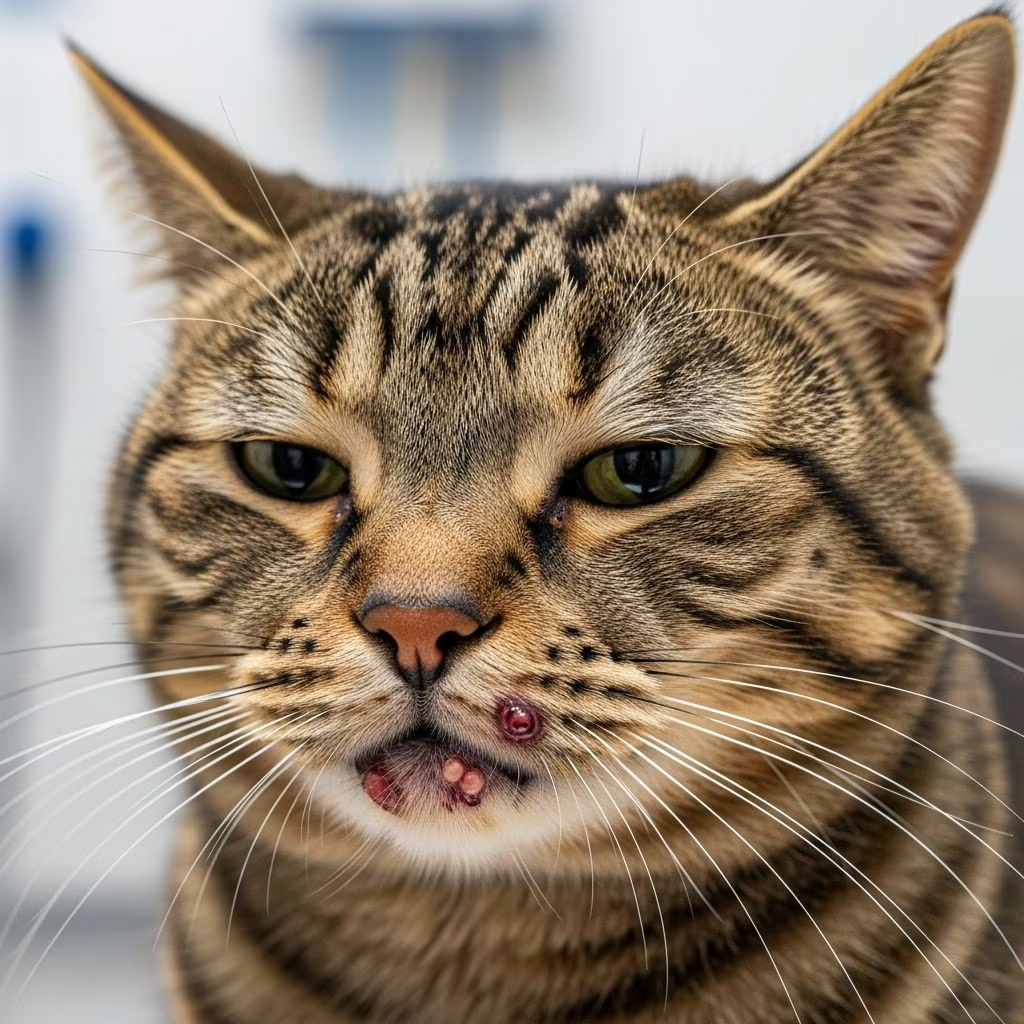
Sores around a cat’s mouth, often appearing as ulcers, erosions, or inflamed lesions on the lips, gums, or tongue, are common in felines and can cause significant discomfort, leading to drooling, difficulty eating, and weight loss. These **oral ulcers** may stem from viral infections, dental diseases, immune responses, trauma, toxins, or cancer, requiring prompt veterinary diagnosis for effective treatment.
What Are Sores Around a Cat’s Mouth?
**Cat mouth sores**, also known as **oral ulcers** or **stomatitis**, are painful lesions that develop on the gums, lips, tongue, or roof of the mouth. They range from shallow erosions to deep ulcers and can be focal (like rodent ulcers on the lips) or diffuse (covering much of the oral cavity). These sores often bleed easily, emit foul odors, and make eating painful, prompting cats to paw at their mouths or drop food. In severe cases, such as **feline chronic gingivostomatitis (FCGS)**, inflammation extends to the entire mouth, drastically reducing appetite. Early detection is crucial, as untreated sores can lead to dehydration, malnutrition, or secondary infections.
Symptoms of Mouth Sores in Cats
Cats with mouth sores exhibit clear behavioral and physical signs. Common symptoms include:
- **Excessive drooling** or saliva dripping from the mouth, often bloody or foul-smelling.
- **Difficulty eating**, pawing at the mouth, or dropping food due to pain.
- **Bad breath (halitosis)** from bacterial overgrowth or tissue breakdown.
- **Weight loss** and lethargy from reduced food intake.
- **Red, swollen gums** or visible ulcers on lips, tongue, or cheeks.
- **Behavioral changes**, like hiding, aggression when touched near the mouth, or reluctance to play.
Young kittens may show sneezing, nasal discharge, or eye issues if viral, while older cats might have more chronic dental-related signs.
Causes of Sores Around a Cat’s Mouth
The etiology of cat mouth sores is diverse, with **dental disease** being the most prevalent, followed by viral infections and immune-mediated conditions.
Viral Infections
**Feline calicivirus (FCV)** and **feline herpesvirus (FHV-1)** are primary culprits, causing ulcers on the tongue, palate, or gums alongside respiratory symptoms like sneezing and conjunctivitis. Calicivirus leads to shallow tongue ulcers, while herpesvirus affects multiple sites and recurs under stress. Most cats encounter these viruses lifelong, with supportive care as mainstay treatment.
Dental Disease and Stomatitis
**Periodontal disease**, from plaque buildup, causes gingivitis and ulcers via bacterial infection. **Feline chronic gingivostomatitis** involves an overzealous immune response to plaque, leading to severe oral inflammation. Tooth resorption, common in cats, exacerbates this.
Allergic and Immune-Mediated Conditions
**Eosinophilic granuloma complex**, including **rodent ulcers** (lip sores resembling human cold sores), arises from allergies or hypersensitivity, often in younger cats. These respond variably to steroids but require allergen identification.
Trauma and Toxicity
Injuries from chewing sharp objects, fights, or electrical cords cause burns or lacerations. Toxins like calcium oxalate plants (pothos, philodendron) induce chemical ulcers.
Cancer and Systemic Issues
**Squamous cell carcinoma**, the most common feline oral cancer, mimics periodontal disease with ulcerative lesions on the tongue or gums, prevalent in older cats with poor prognosis. Kidney disease or FIV/FeLV can also manifest as ulcers.
How Are Mouth Sores in Cats Diagnosed?
Veterinarians start with a thorough **oral exam** under sedation for painful cases, checking for ulcers, dental plaque, or masses. Diagnostics include:
- **Blood tests** for FeLV/FIV, kidney function, or systemic disease.
- **Biopsy** for suspected cancer or immune conditions.
- **Viral PCR swabs** to confirm FCV or FHV-1.
- **Dental radiographs** to detect resorption or abscesses.
Differential diagnosis rules out trauma, toxins, or allergies via history and imaging.
Treatment for Mouth Sores in Cats
Treatment targets the underlying cause, emphasizing pain relief and nutrition.
| Condition | Treatments |
|---|---|
| Viral (FCV/FHV) | Supportive care, antivirals (e.g., famciclovir), pain meds |
| Dental/Stomatitis | Dental cleaning, extractions (often full-mouth), antibiotics |
| Allergic/Rodent Ulcer | Steroids, cyclosporine, hypoallergenic diet |
| Trauma/Toxicity | Antibiotics, wound care, decontamination |
| Cancer | Surgery, radiation, chemo; palliative care |
Pain management with **buprenorphine, gabapentin, or Onsior** is essential. Feeding tubes aid severe cases. Full-mouth extractions resolve 80-90% of stomatitis cases.
Recovery and Management of Mouth Sores in Cats
Recovery varies: viral sores heal in 1-2 weeks with care, while stomatitis may take months post-extractions. Home management includes soft food, clean water, and stress reduction. Regular dental check-ups prevent recurrence. Monitor for weight gain and appetite return; follow-up exams ensure resolution.
Prevention of Mouth Sores in Cats
Preventive strategies focus on hygiene and health:
- Daily tooth brushing with pet-safe toothpaste.
- Vaccinations against FCV/FHV.
- Dental diets and toys to reduce plaque.
- Secure household to avoid toxins/trauma.
- Annual vet exams for early detection.
Kittens should receive core vaccines; multi-cat homes need isolation for sick felines.
FAQs
Will cat mouth sores go away on their own?
No, most require veterinary intervention; untreated sores worsen and cause complications.
Are rodent ulcers dangerous?
They are painful but manageable with treatment; they indicate allergies needing control.
Can dental cleanings cure stomatitis?
Often, full extractions are needed for lasting remission in severe cases.
Is squamous cell carcinoma common in young cats?
No, it primarily affects older cats.
How can I soothe my cat’s mouth pain at home?
Offer soft, warmed food and ensure hydration, but see a vet promptly.
References
- Causes of Mouth Sores in Cats – Animal Dental Care — WellPets. 2023-05-13. https://www.wellpets.com/blog/206-cat-mouth-sores-causes/
- Canker Sores in Kittens — VCA Animal Hospitals. 2024. https://vcahospitals.com/pediatric/kitten/health-wellness/canker-sores-in-kittens
- Cat Mouth Ulcers – A Brief Guide — Vet and Tech. 2023. https://www.vetandtech.com/blogs/cat-mouth-ulcers-a-brief-guide-on-types-prevention-treatment
- Cat Mouth Ulcers: Symptoms, Causes, and Treatment — PetMD. 2024. https://www.petmd.com/cat/conditions/mouth/mouth-ulcers-cats
- Disorders of the Mouth in Cats — Merck Veterinary Manual. 2024. https://www.merckvetmanual.com/cat-owners/digestive-disorders-of-cats/disorders-of-the-mouth-in-cats
- Mouth Pain in Cats — PDSA. 2020-06. https://www.pdsa.org.uk/pet-help-and-advice/pet-health-hub/symptoms/mouth-pain-in-cats



